

Journal of System Simulation ›› 2025, Vol. 37 ›› Issue (12): 3087-3099.doi: 10.16182/j.issn1004731x.joss.25-FZ0629
• Papers • Previous Articles Next Articles
Zhang Wenkang, Sun Xiaofeng, Zhong Yiping, Yin Yong
Received:2025-07-01
Revised:2025-10-02
Online:2025-12-26
Published:2025-12-24
Contact:
Sun Xiaofeng
CLC Number:
Zhang Wenkang, Sun Xiaofeng, Zhong Yiping, Yin Yong. Numerical Simulations of Ship Liquid Tank Sloshing Based on Graph Neural Networks[J]. Journal of System Simulation, 2025, 37(12): 3087-3099.
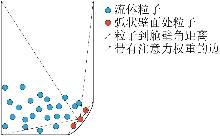
Fig. 1
Graph representation method of fluid particles
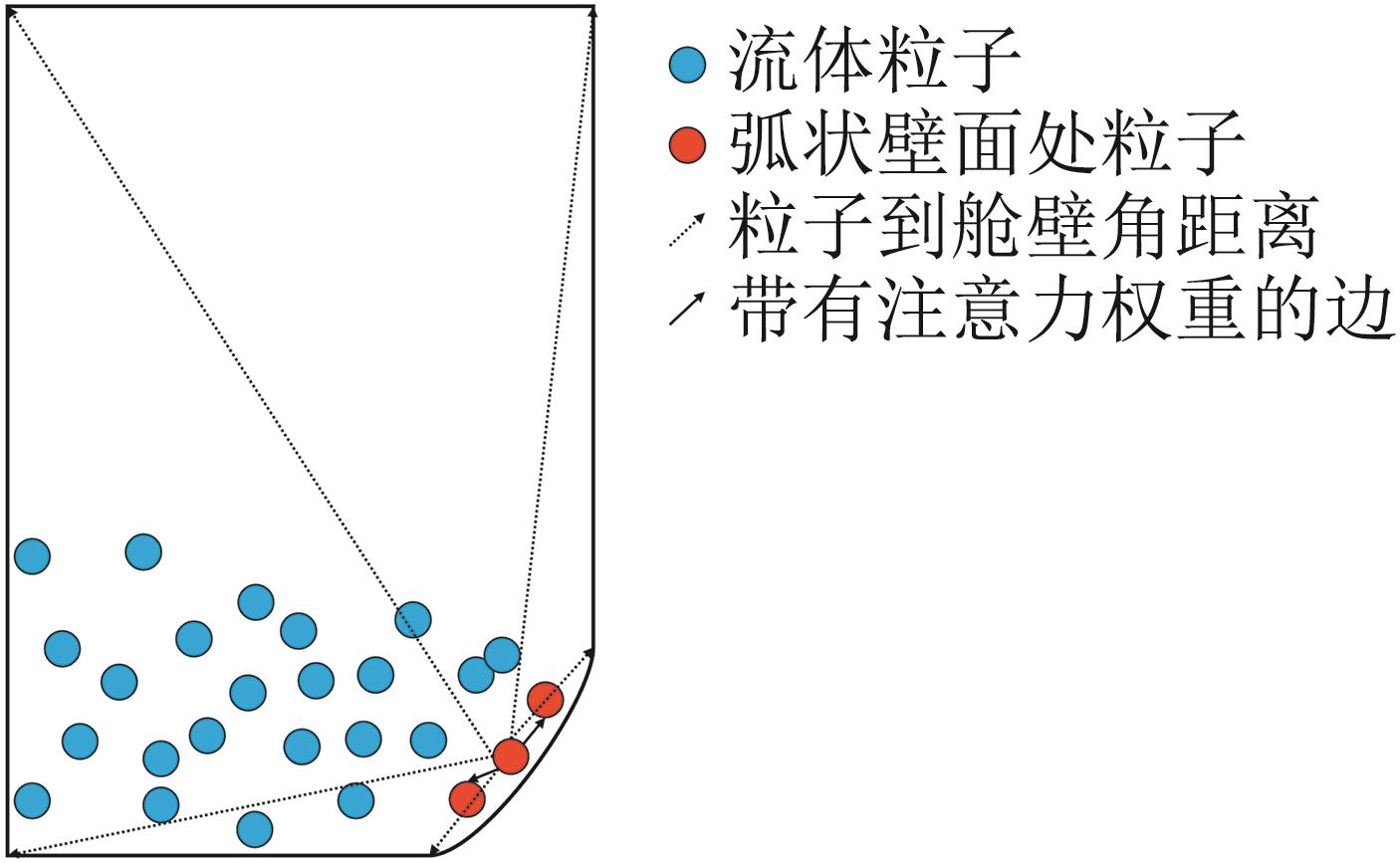
Table 1
Examples of global features
| 时间/s | 位移/(°) | 角速度/(rad/s) | 角加速度/(rad/s2) |
|---|---|---|---|
| 0.6 | -7.82 | 0.976 8 | 10.994 0 |
| 1.2 | -9.75 | -0.348 6 | 13.709 2 |
| 1.8 | -4.34 | -0.075 7 | 6.101 2 |
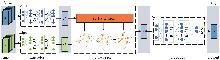
Fig. 2
Model architecture
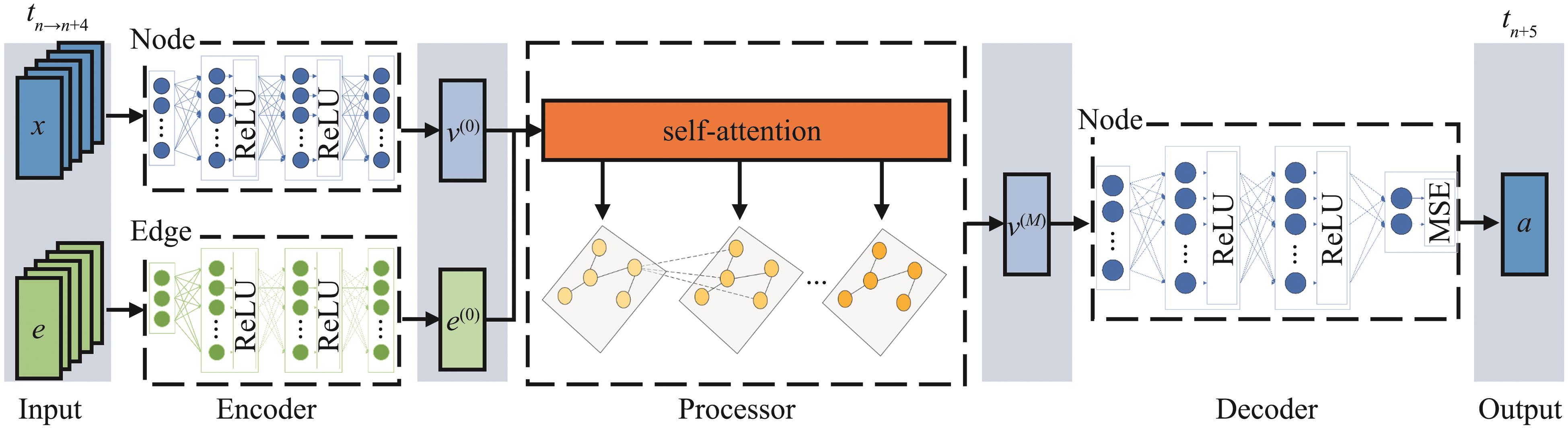
Fig. 3
Dimensionality reduction plot of node latent vectors
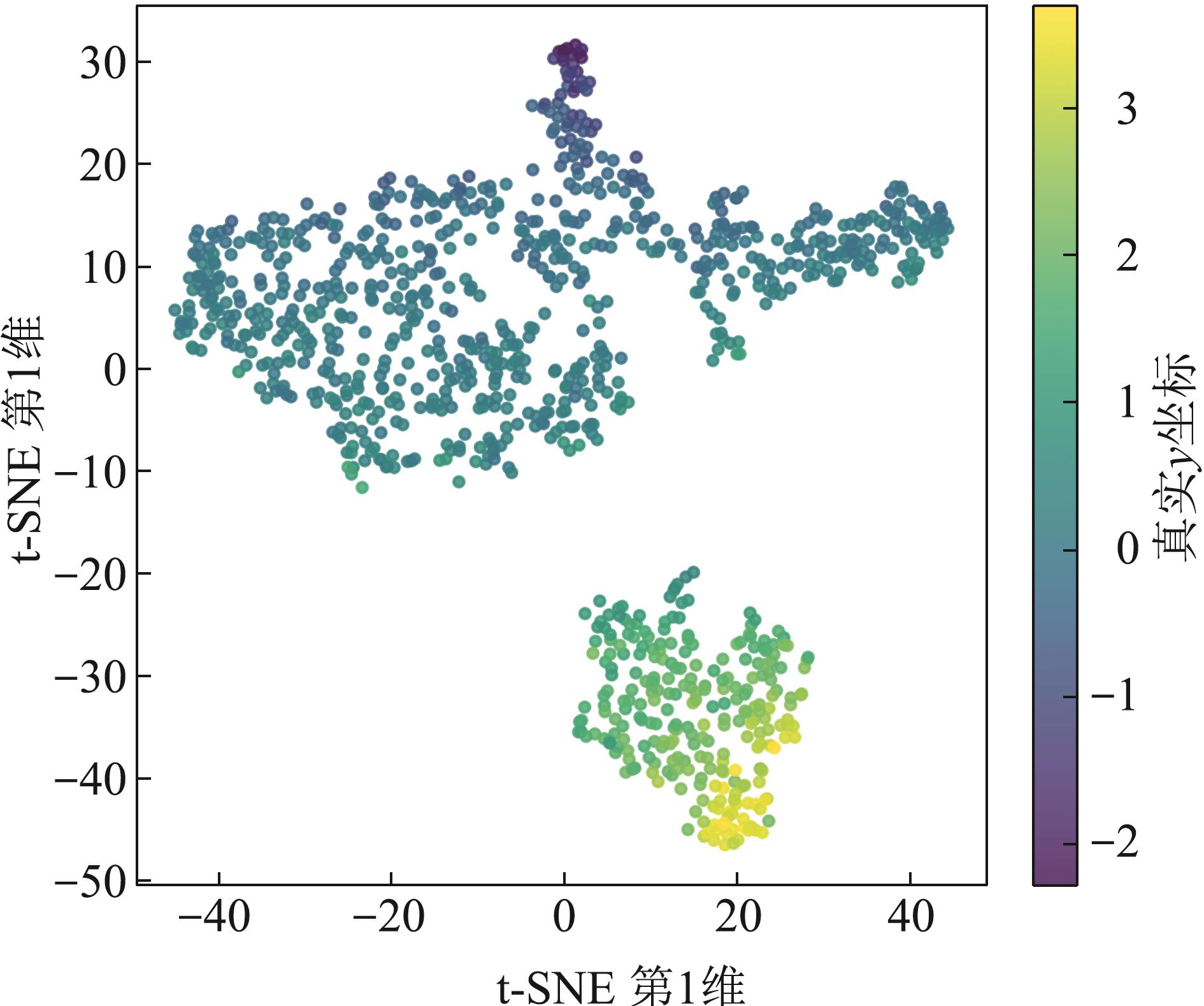
Fig. 4
Dimensionality reduction plot of edge latent vectors
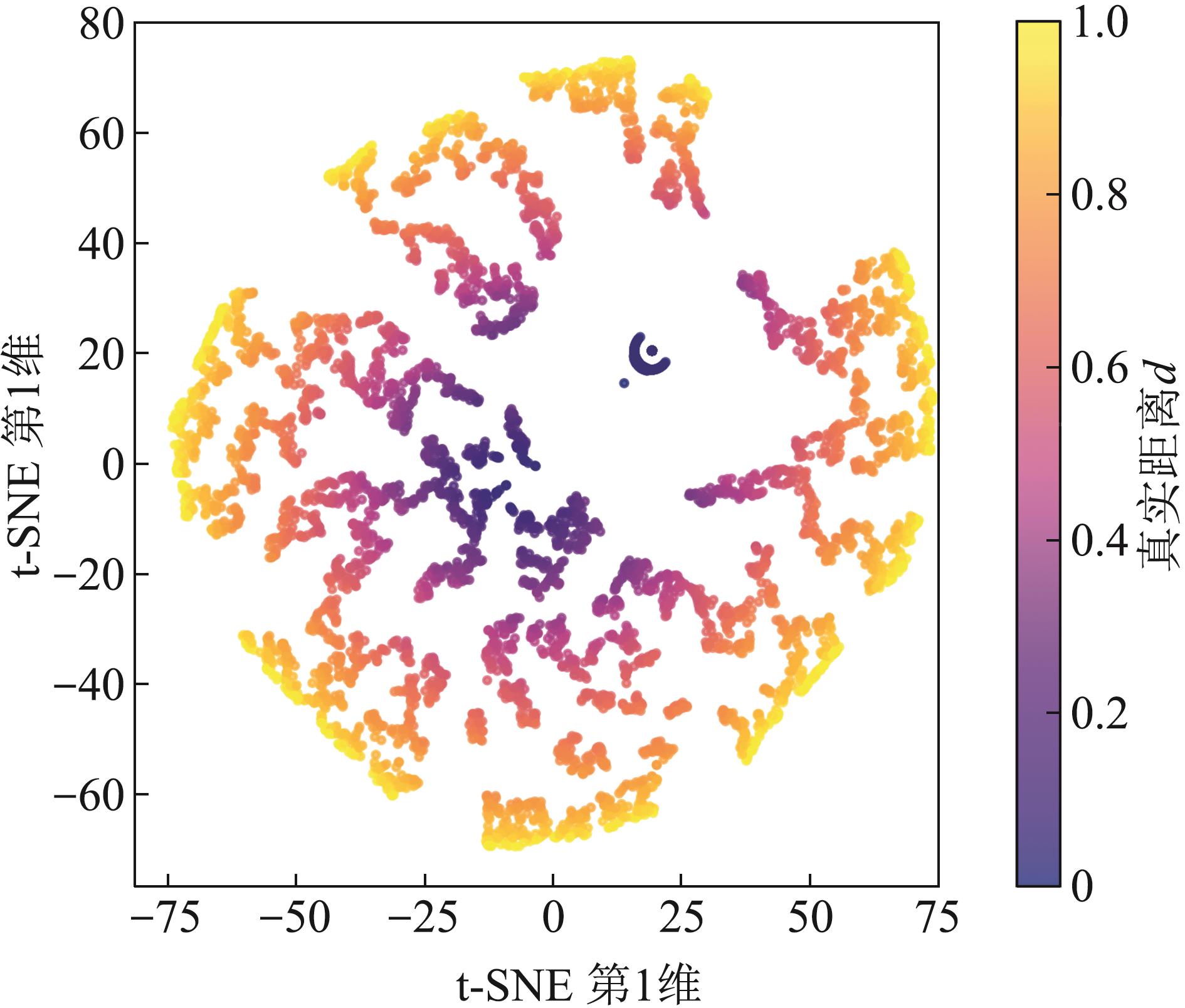
Fig. 5
Heatmap of attention weights
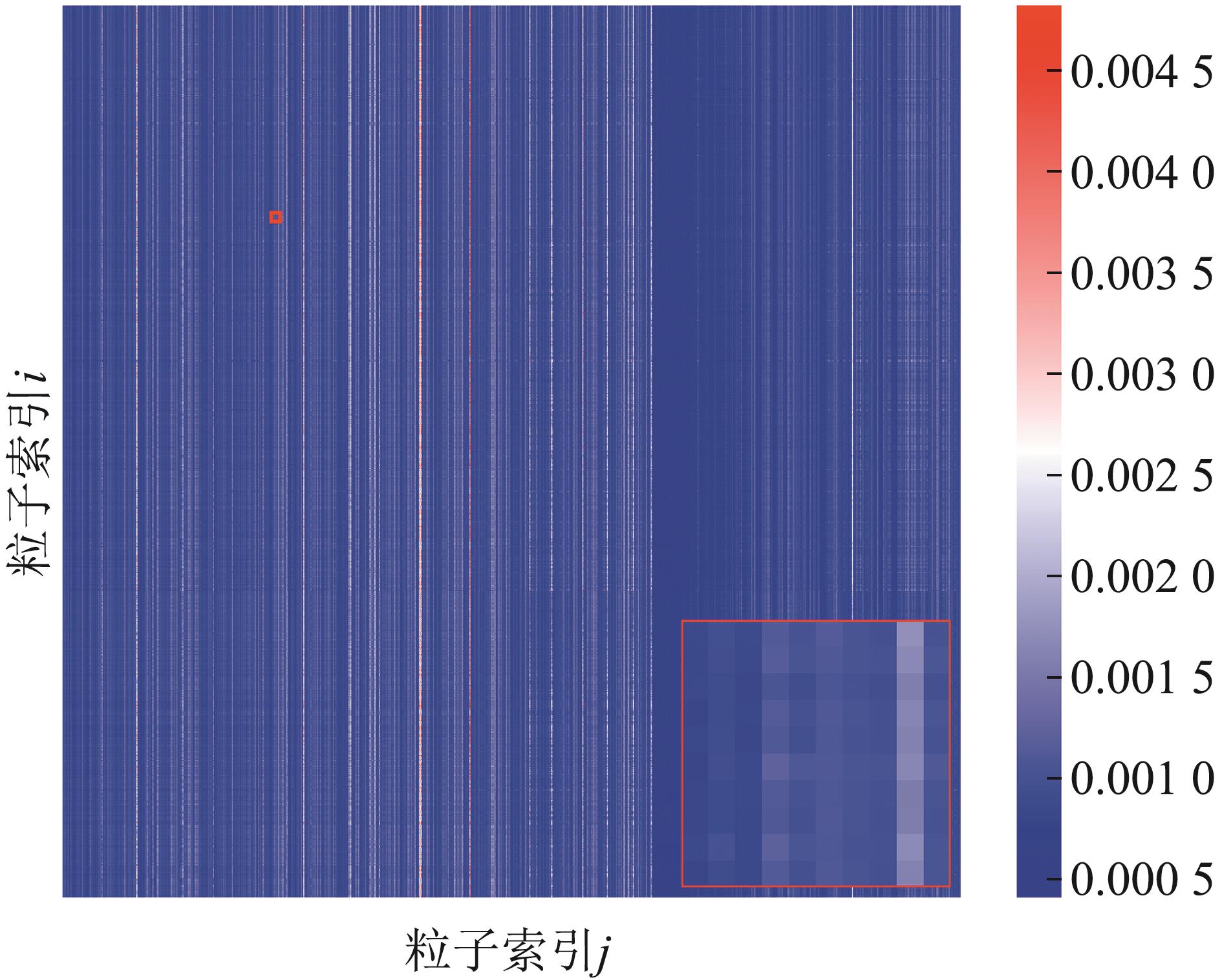
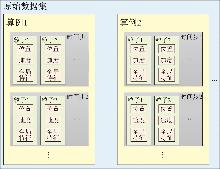
Fig. 6
Raw dataset structure
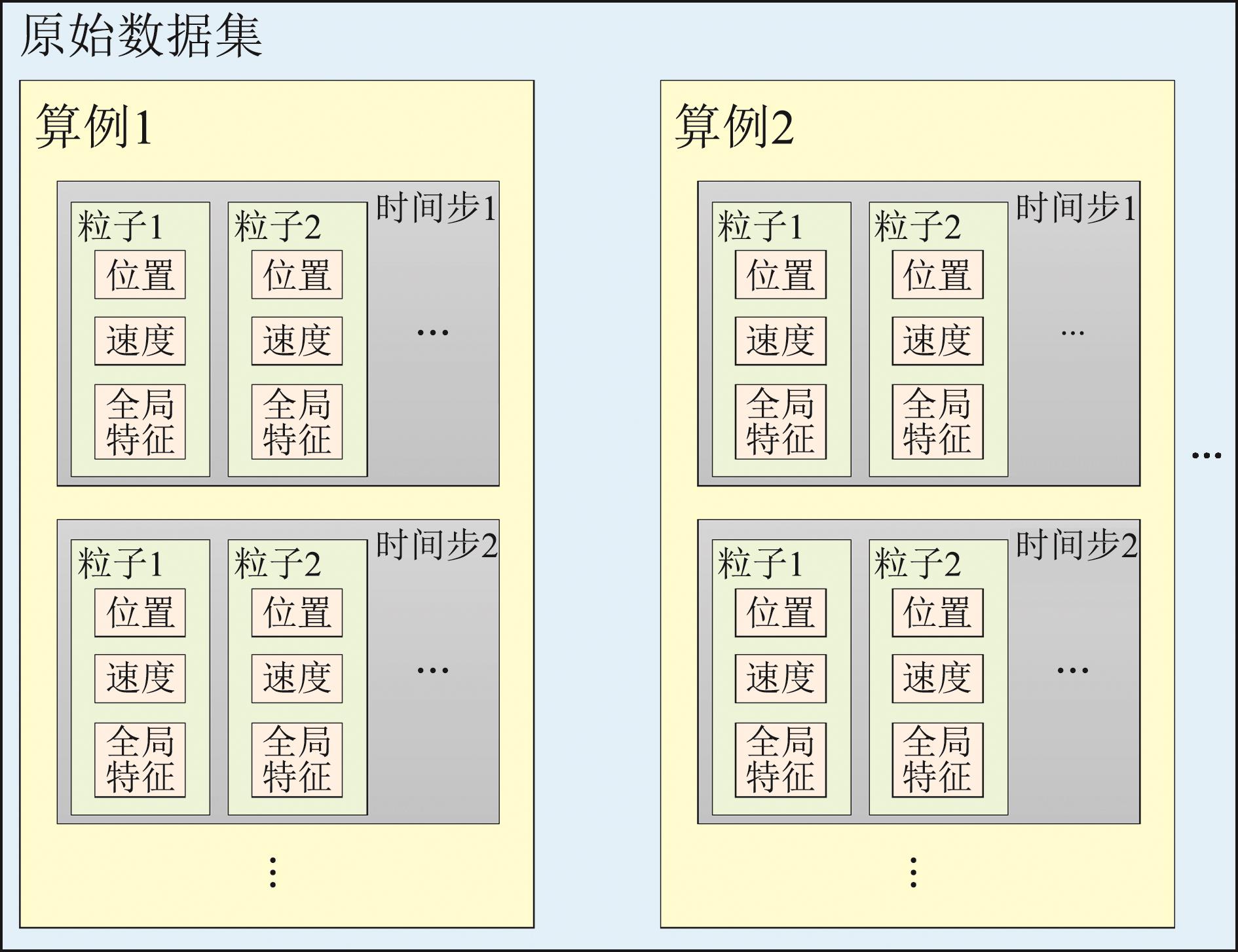
Fig. 7
Training flowchart
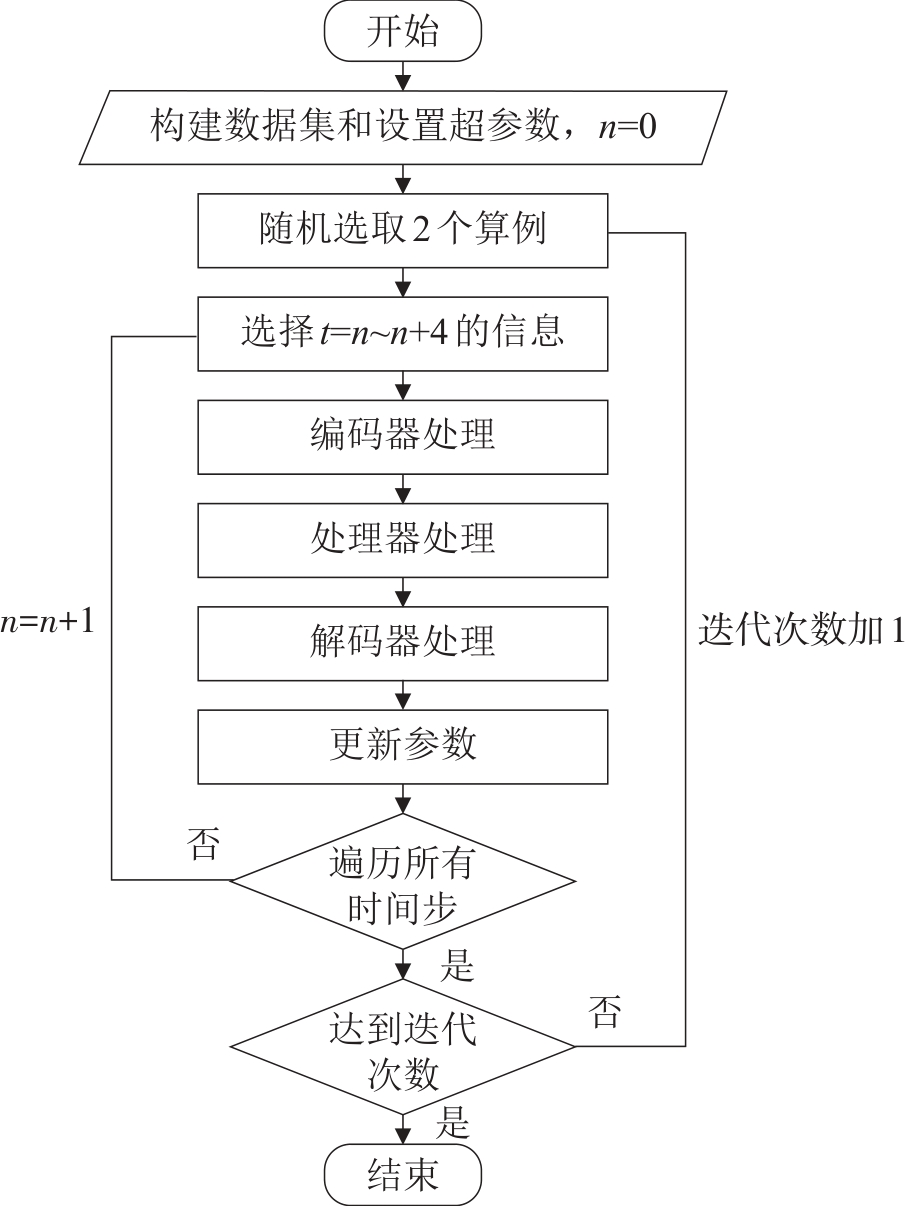
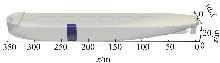
Fig. 8
Model parameters and tank position
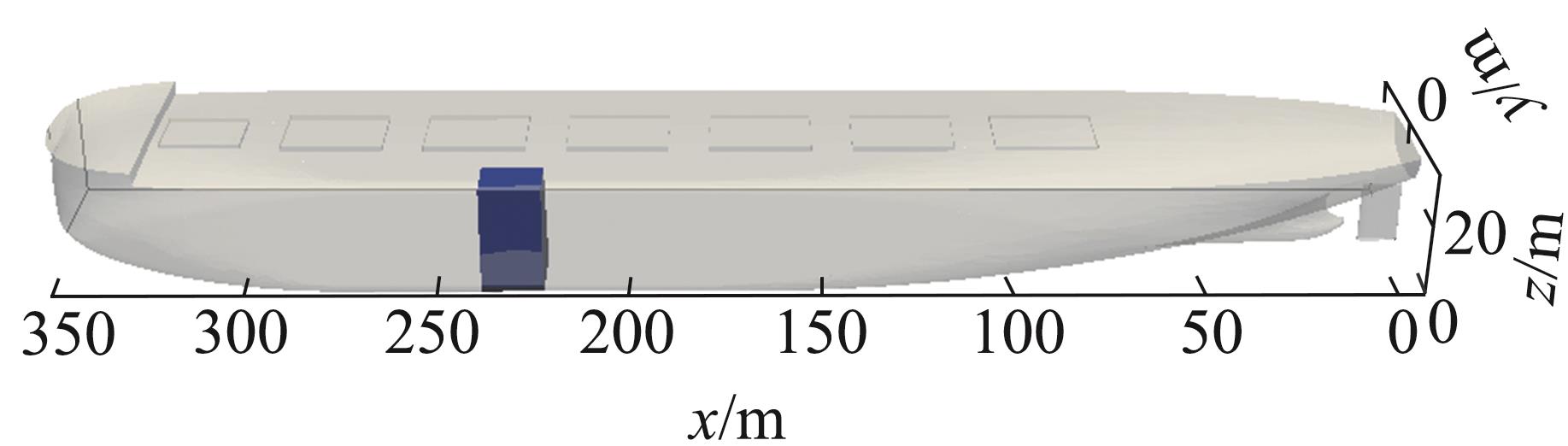
Table 2
R2.03AP parameters
| 液舱参数 | 数值 |
|---|---|
| 液舱识别码 | R2.03AP |
| 液舱容积/m³ | 8 477.14 |
| 艉端肋位 | 117(222.24 m) |
| 艏端肋位 | 123(238.38 m) |
| 最低点距基线高/m | 0 |
| 最高点距基线高/m | 30.97 |
| 液舱宽度/m | 20.18 |
Table 3
Parameters of scale model of R2.03AP
| 模型参数 | 数值 |
|---|---|
| 缩尺模型y方向尺寸 | 403.60 |
| 缩尺模型z方向尺寸 | 619.48 |
Table 4
Test cases
| 算例 | 横摇角/(°) | 横摇周期/s |
|---|---|---|
| Ⅰ | 10 | 1.45 |
| Ⅱ | 10 | 1.80 |
| Ⅲ | 20 | 1.45 |
| Ⅳ | 20 | 1.80 |
Fig. 9
Training loss
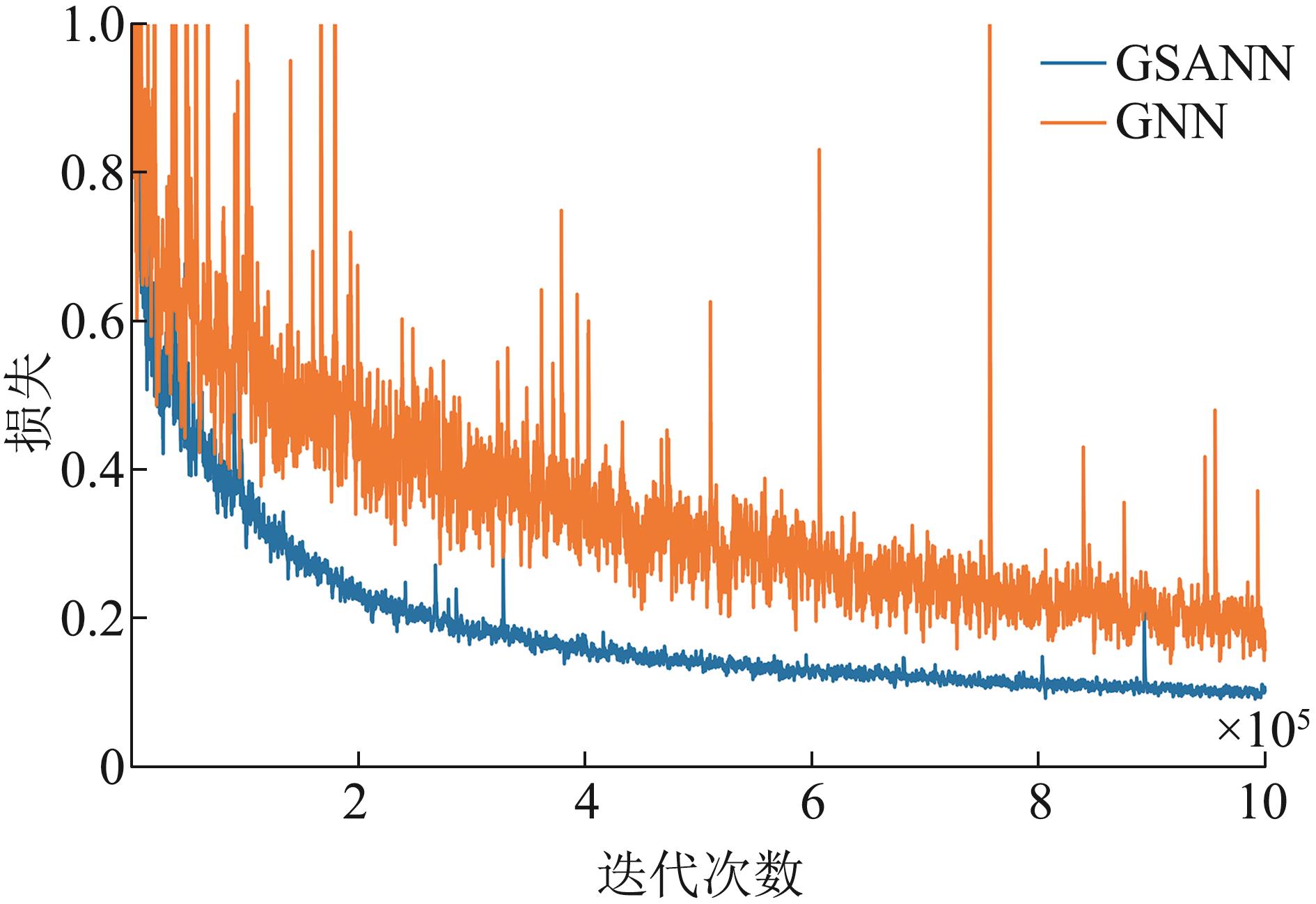
Table 5
Evaluation indexes of case Ⅰ
| 时间/s | 模型 | CD | R2 | RMSE | MAE | ΔMAE/% |
|---|---|---|---|---|---|---|
| 0.6 | GNN | 1.309 7 | 0.966 5 | 0.007 9 | 0.006 5 | 72.3 |
| GSANN | 0.805 8 | 0.996 3 | 0.002 5 | 0.001 8 | ||
| 1.2 | GNN | 1.402 2 | 0.921 8 | 0.011 1 | 0.008 5 | 54.1 |
| GSANN | 1.183 1 | 0.941 6 | 0.004 9 | 0.003 9 | ||
| 1.8 | GNN | 1.563 0 | 0.816 1 | 0.028 0 | 0.023 8 | 58.8 |
| GSANN | 1.176 0 | 0.920 5 | 0.008 7 | 0.009 8 |
Table 6
Evaluation indexes of case Ⅱ
| 时间/s | 模型 | CD | R2 | RMSE | MAE | ΔMAE/% |
|---|---|---|---|---|---|---|
| 0.6 | GNN | 1.259 7 | 0.969 7 | 0.007 4 | 0.006 0 | 68.3 |
| GSANN | 0.814 1 | 0.994 6 | 0.002 7 | 0.001 9 | ||
| 1.2 | GNN | 1.291 0 | 0.925 6 | 0.010 7 | 0.008 3 | 54.2 |
| GSANN | 1.210 2 | 0.951 8 | 0.004 1 | 0.003 8 | ||
| 1.8 | GNN | 1.321 6 | 0.822 0 | 0.018 0 | 0.023 8 | 67.2 |
| GSANN | 1.202 1 | 0.939 5 | 0.009 0 | 0.007 8 |
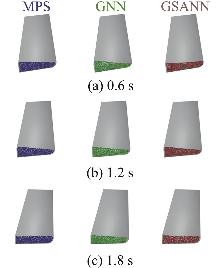
Fig. 10
Flow field snapshots of case Ⅰ
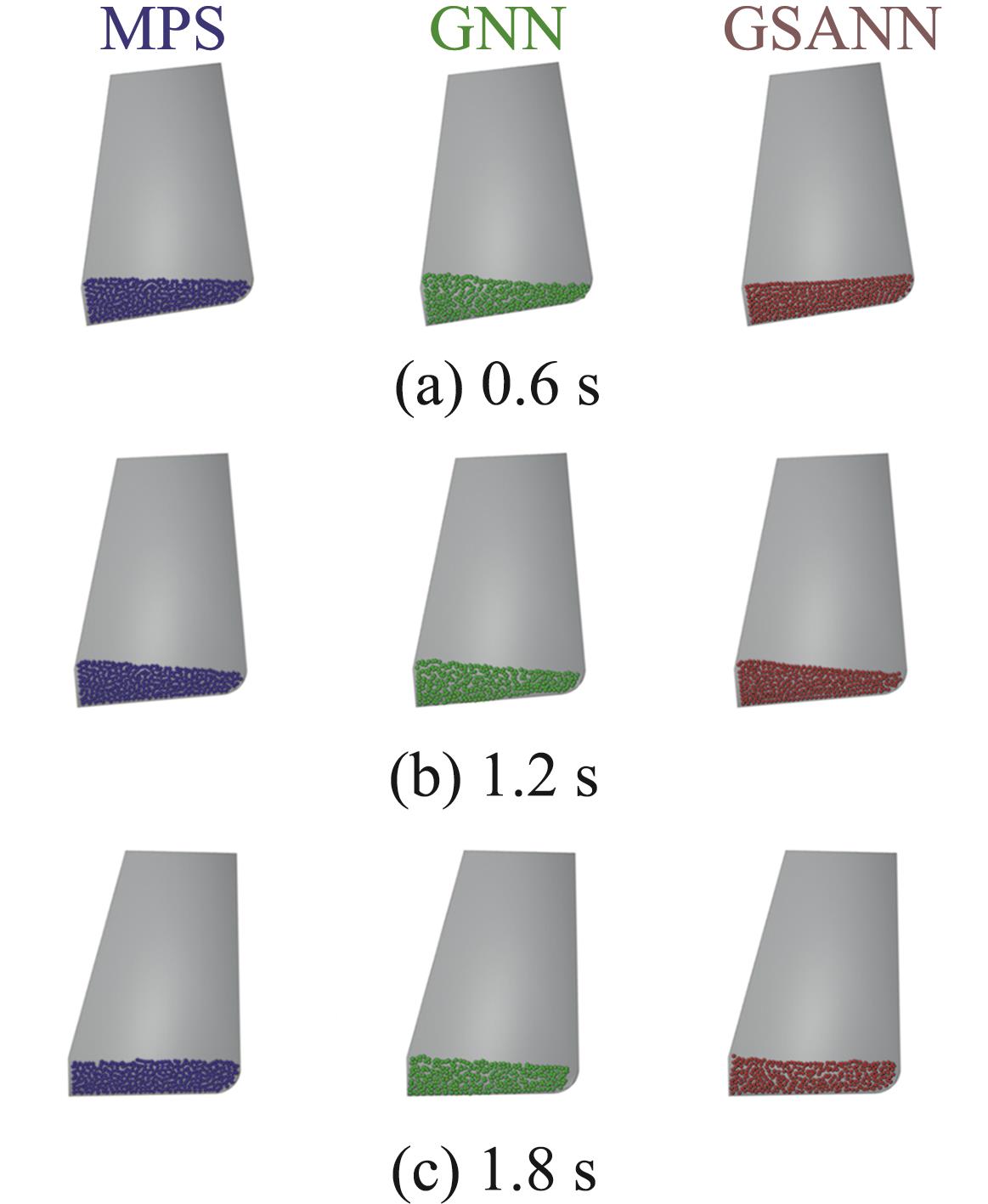
Fig. 11
Flow field snapshots of case Ⅱ
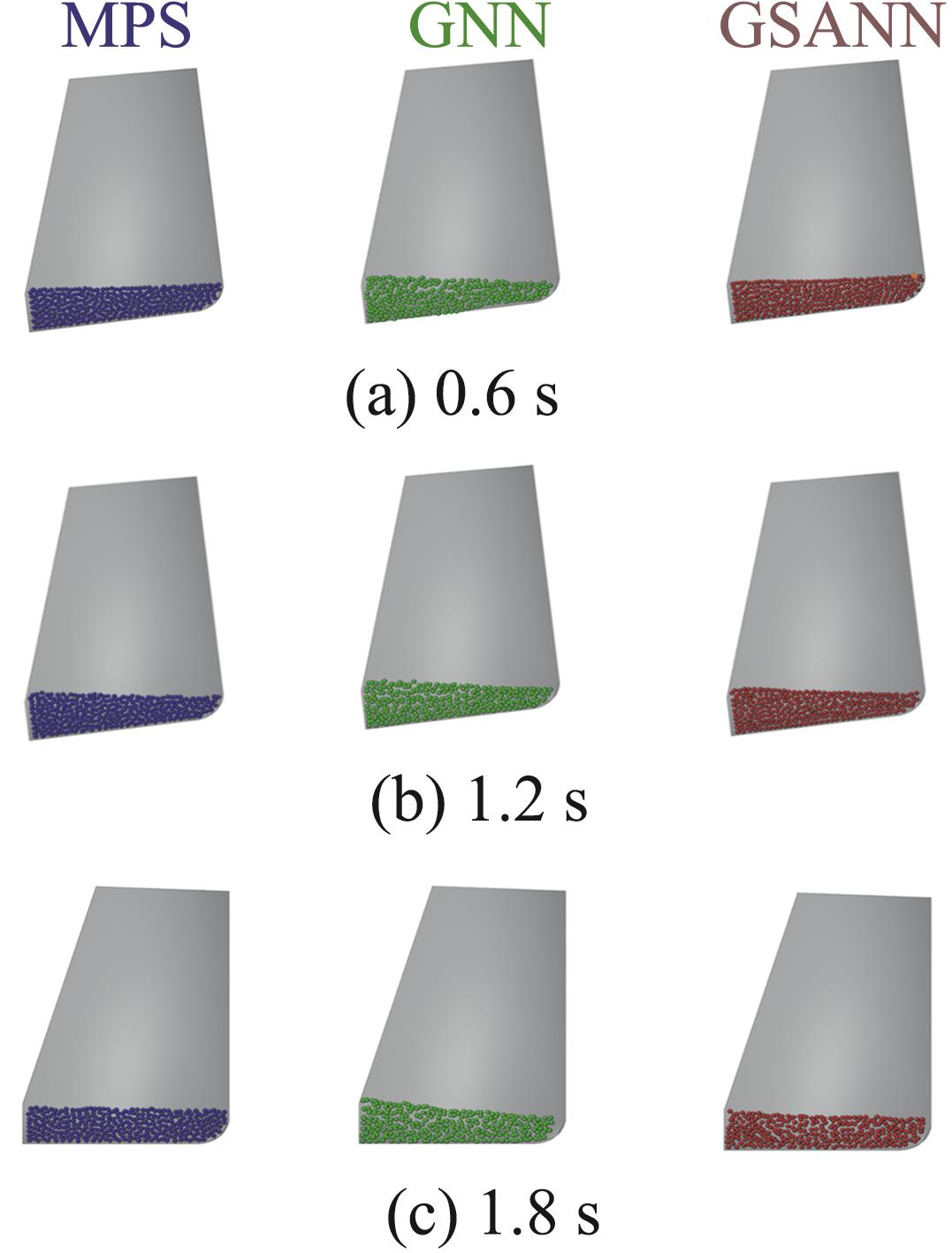
Fig. 12
Free surfaces of case Ⅰ
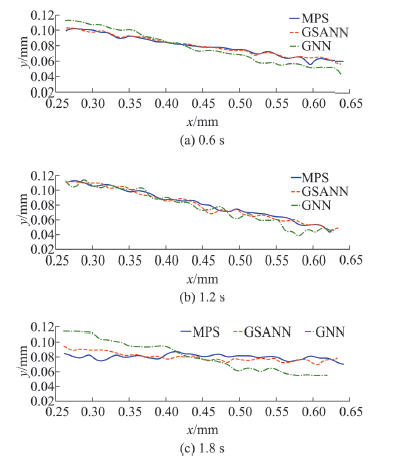
Fig. 13
Free surfaces of case Ⅱ
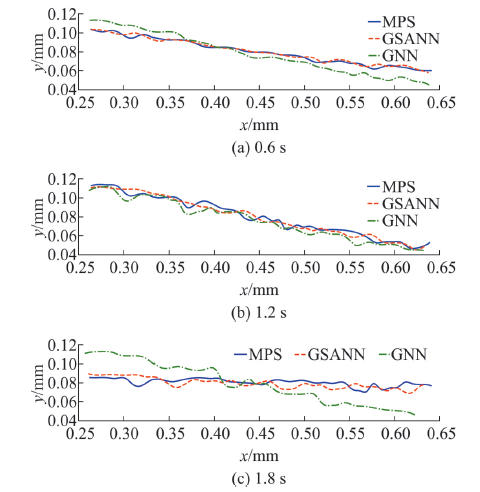
Table 7
Evaluation indexes of case Ⅲ
| 时间/s | 模型 | CD | R2 | RMSE | MAE | ΔMAE/% |
|---|---|---|---|---|---|---|
| 0.6 | GNN | 1.499 4 | 0.918 1 | 0.013 9 | 0.011 4 | 80.7 |
| GSANN | 0.886 5 | 0.995 3 | 0.003 0 | 0.002 2 | ||
| 1.2 | GNN | 1.357 7 | 0.867 4 | 0.018 4 | 0.014 8 | 50.7 |
| GSANN | 1.209 1 | 0.955 6 | 0.009 2 | 0.007 3 | ||
| 1.8 | GNN | 1.530 8 | 0.777 0 | 0.032 2 | 0.017 4 | 50.6 |
| GSANN | 1.252 5 | 0.897 5 | 0.009 1 | 0.008 6 |
Table 8
Evaluation indexes of case Ⅳ
| 时间/s | 模型 | CD | R2 | RMSE | MAE | ΔMAE/% |
|---|---|---|---|---|---|---|
| 0.6 | GNN | 1.472 8 | 0.916 4 | 0.014 1 | 0.011 6 | 81.0 |
| GSANN | 0.937 2 | 0.995 6 | 0.002 9 | 0.002 2 | ||
| 1.2 | GNN | 1.380 0 | 0.866 8 | 0.018 6 | 0.014 8 | 54.1 |
| GSANN | 1.177 0 | 0.957 5 | 0.008 3 | 0.006 8 | ||
| 1.8 | GNN | 1.386 5 | 0.757 6 | 0.023 8 | 0.018 1 | 63.0 |
| GSANN | 1.206 1 | 0.878 3 | 0.008 5 | 0.006 7 |
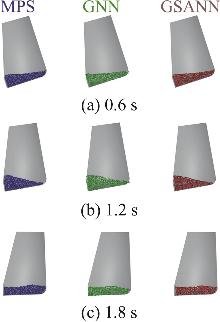
Fig. 14
Flow field snapshots of case Ⅲ
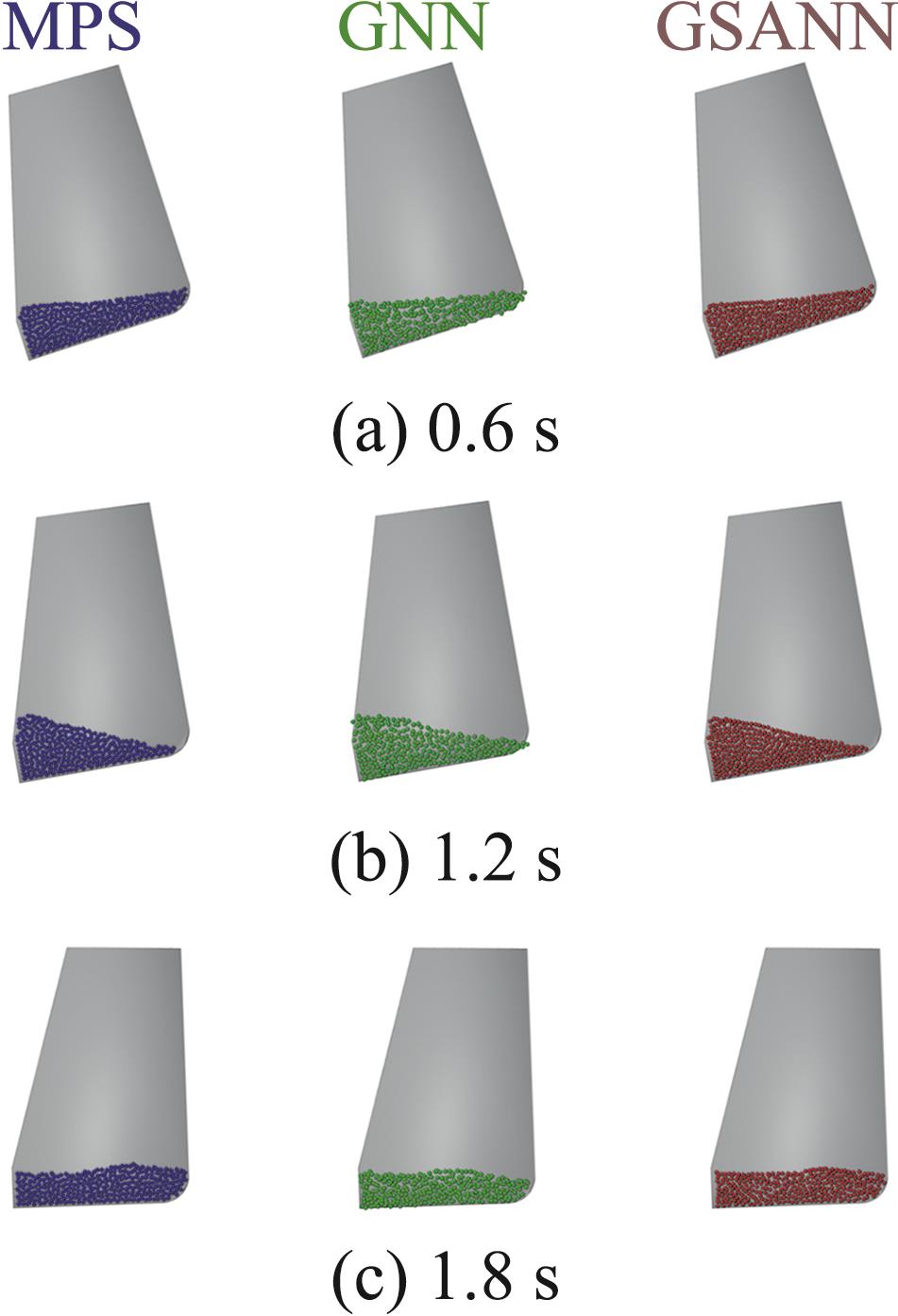
Fig. 15
Flow field snapshots of case Ⅳ
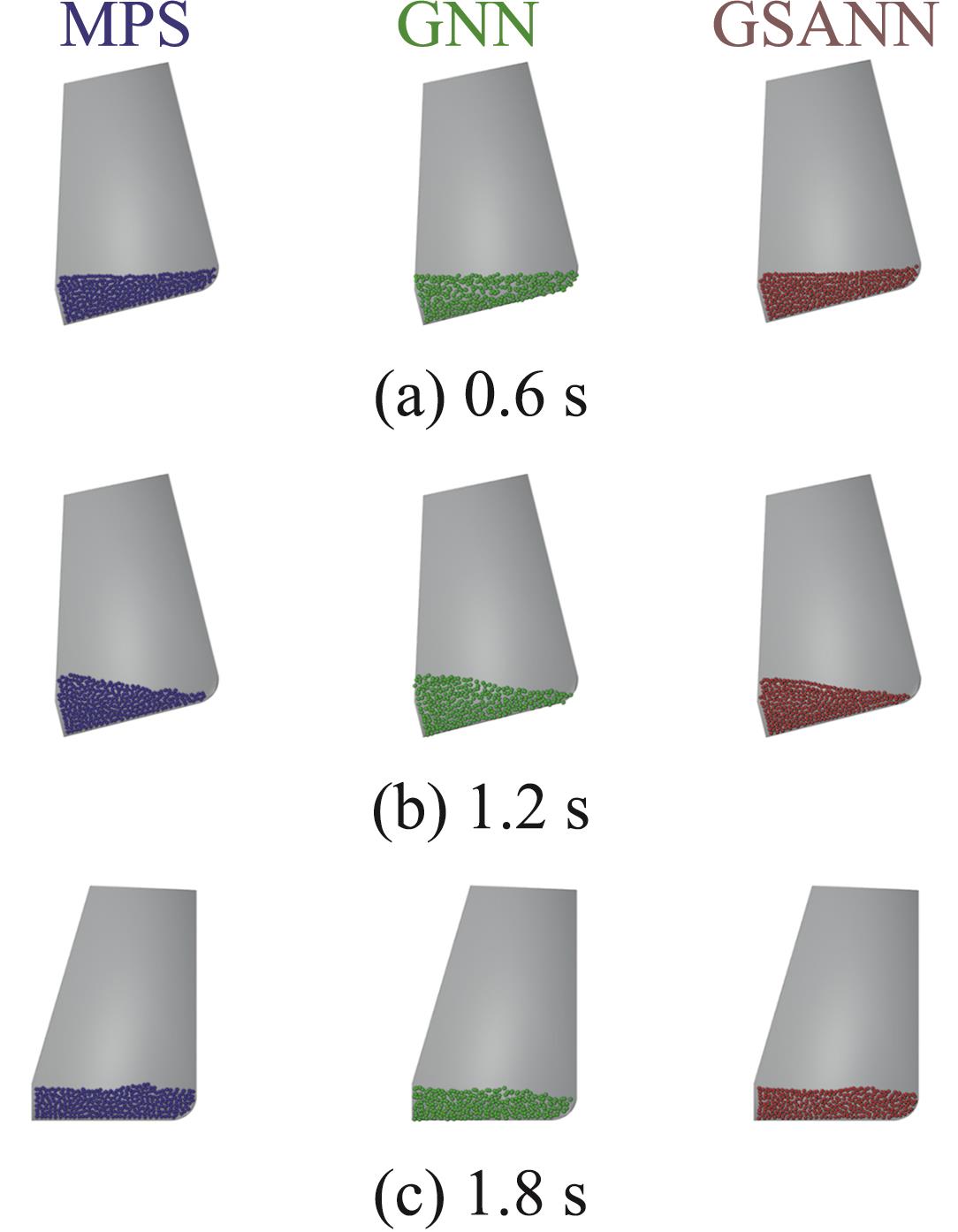
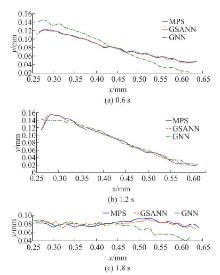
Fig. 16
Free surfaces of case Ⅲ
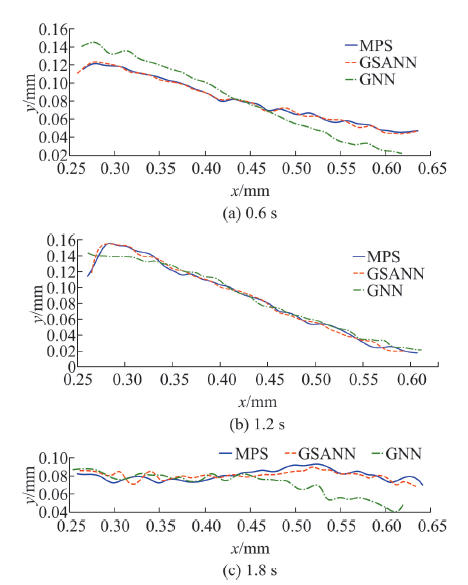
Fig. 17
Free surfaces of case Ⅳ
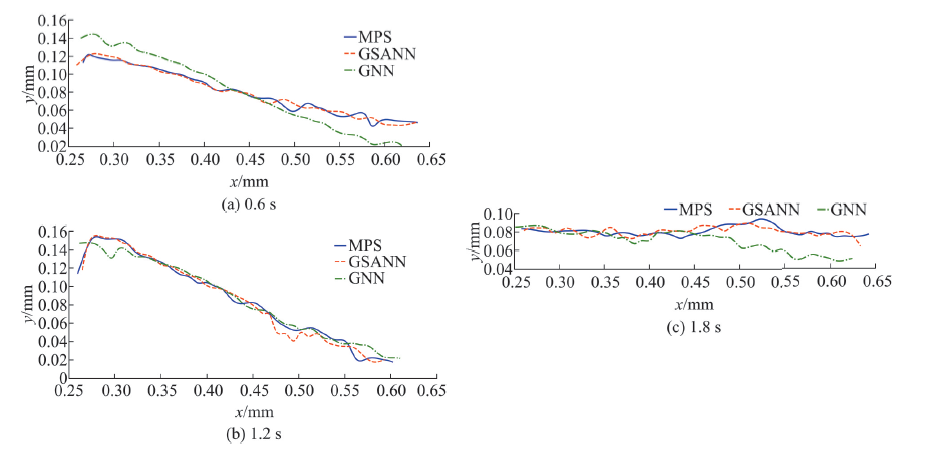
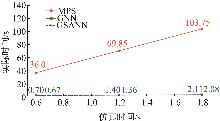
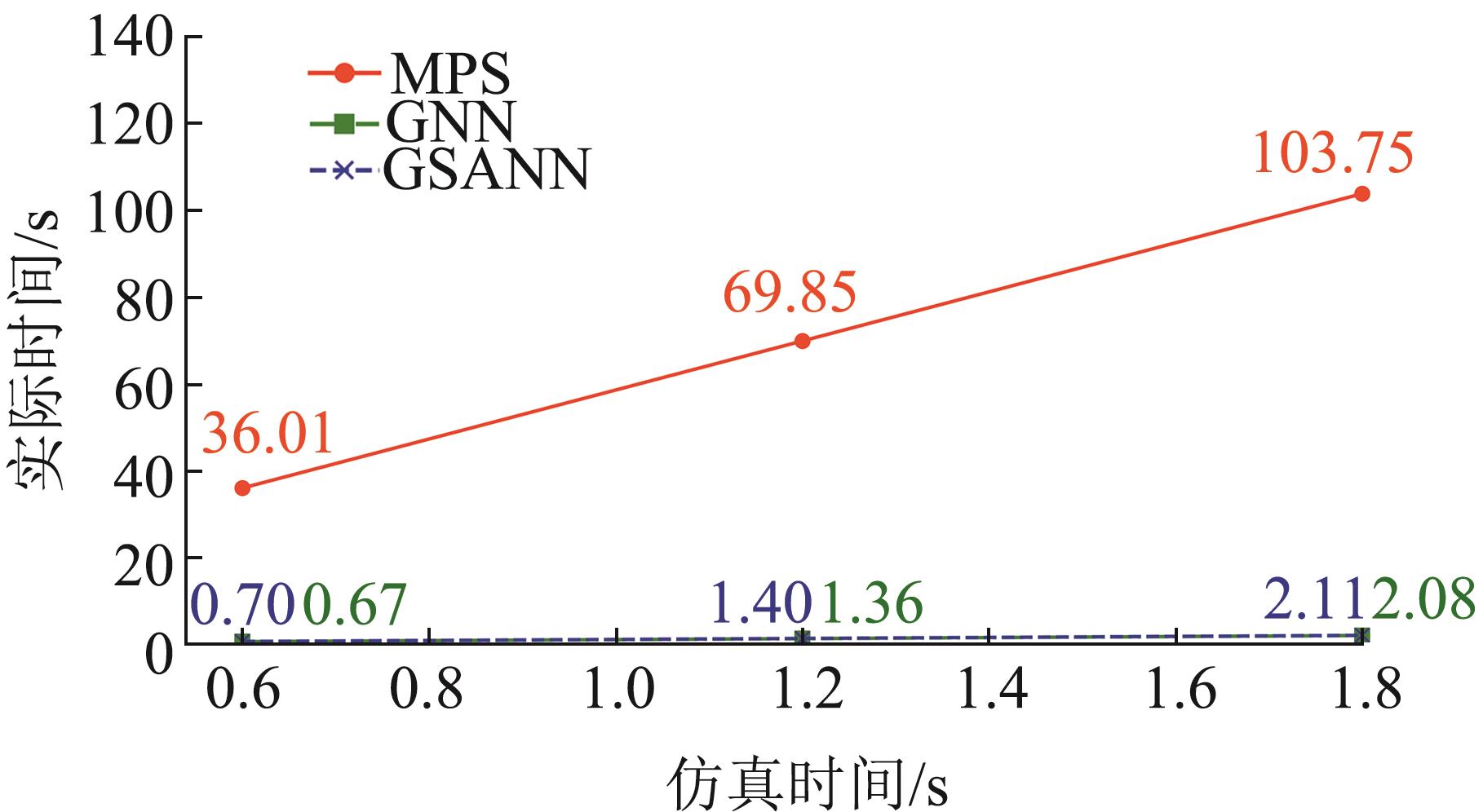
Fig. 18
Computation time of case Ⅰ
| [1] | Ma Bole, Yue Baozeng, Yan Sen, et al. Numerical and Experimental Study on the Nonlinear Liquid Sloshing in Cassini Tank[J]. Journal of Spacecraft and Rockets, 2025, 62(2): 466-476. |
| [2] | Belakroum R, Kadja M, Mai T H, et al. An Efficient Passive Technique for Reducing Sloshing in Rectangular Tanks Partially Filled with Liquid[J]. Mechanics Research Communications, 2010, 37(3): 341-346. |
| [3] | Qi Yan, Söding Heinrich, Stöcker Jasmin, et al. Prediction of Waves in Tanks Excited by Ship Motion and Moving Walls with a Three-dimensional Fully Linear Finite Difference Approach[J]. Ocean Engineering, 2024, 310, Part 1: 118648. |
| [4] | Buldakov E. Lagrangian Modelling of Fluid Sloshing in Moving Tanks[J]. Journal of Fluids and Structures, 2014, 45: 1-14. |
| [5] | 朱仁庆, 侯玲. LNG船液舱晃荡数值模拟[J]. 江苏科技大学学报(自然科学版), 2010, 24(1): 1-6. |
| Zhu Renqing, Hou Ling. Numerical Simulation of Liquid Sloshing in the Tanks of LNG Carrier[J]. Journal of Jiangsu University of Science and Technology(Natural Science Edition), 2010, 24(1): 1-6. | |
| [6] | Chen Y F, Huang C, Yan W H, et al. Numerical Study on the Sloshing Behaviors of Dual Liquid Tanks with Gas Inflow[J]. Journal of Applied Fluid Mechanics, 2024, 17(9): 1885-1895. |
| [7] | Jiao Jialong, Ding Shang, Zhao Mingming, et al. Simulation of LNG Ship's Motions Coupled with Tank Sloshing in Regular Waves by DualSPHysics[J]. Ocean Engineering, 2024, 312, Part 2: 119148. |
| [8] | 张之凡, 王越美, 李昌良, 等. 基于SPH方法的二维液舱晃荡特性研究[J]. 船舶力学, 2024, 28(5): 676-688. |
| Zhang Zhifan, Wang Yuemei, Li Changliang, et al. Sloshing Characteristics of a 2D Rectangular Tank Based on SPH Method[J]. Journal of Ship Mechanics, 2024, 28(5): 676-688. | |
| [9] | Sun Xiaofeng, Zhong Yiping, Bian Feng, et al. Numerical Computation of Sloshing-Induced Force in Complex Ship Tanks Under the Excitation of Ship Rolling Motion Based on the MPS Method[J]. Applied Sciences, 2022, 12(10): 5130. |
| [10] | Huang Congyi, Wang Jifei, Zhao Weiwen, et al. Numerical Simulation of Liquid Sloshing in a Spherical Tank by MPS Method[J]. Journal of Hydrodynamics, 2024, 36(2): 232-240. |
| [11] | 金鑫, 王宇圣, 张福贵, 等. 基于神经网络的流体晃荡波高和压强的预测研究[J]. 船舶力学, 2025, 29(3): 388-399. |
| Jin Xin, Wang Yusheng, Zhang Fugui, et al. Predictions of Wave Height and Pressure Induced by Liquid Sloshing Based on Neural Network[J]. Journal of Ship Mechanics, 2025, 29(3): 388-399. | |
| [12] | Li Huan, Zhang Xinshuo, Yang Xiufeng. Numerical Study of Liquid Sloshing Using Smoothed Particle Hydrodynamics with Adaptive Spatial Resolution[J]. Engineering Analysis with Boundary Elements, 2024, 159: 272-287. |
| [13] | Hossein Goudarzvand Chegini, Zarepour Gholamreza. Utilizing Artificial Neural Network for Load Prediction Caused by Fluid Sloshing in Tanks[J]. Geofluids, 2021, 2021(1): 3537542. |
| [14] | Hossein Goudarzvand Chegini, Zarepour Gholamreza. Numerical Study of Rectangular Tank with Sloshing Fluid and Simulation of the Model Using a Machine Learning Method[J]. Geofluids, 2022, 2022(1): 4121956. |
| [15] | Zhang Ningbo, Yan Shiqiang, Ma Qingwei, et al. A CNN-supported Lagrangian ISPH Model for Free Surface Flow[J]. Applied Ocean Research, 2023, 136: 103587. |
| [16] | Jong Kim Ki, Kim Daegyoum. Prediction of Sloshing Pressure Using Image-based Deep Learning[J]. Ocean Engineering, 2024, 303: 117718. |
| [17] | Zhang Chongwei, Tan Jie, Ning Dezhi. Machine Learning Strategy for Viscous Calibration of Fully-nonlinear Liquid Sloshing Simulation in FLNG Tanks[J]. Applied Ocean Research, 2021, 114: 102737. |
| [18] | Zhang Songtao, Li Chenyang, Zhao Peng, et al. LSTM-based Prediction Control of Free-surface Tank[C]//2023 International Conference on Marine Equipment & Technology and Sustainable Development. Singapore: Springer Nature Singapore, 2023: 1013-1028. |
| [19] | Pfaff T, Fortunato M, Sanchez-Gonzalez A, et al. Learning Mesh-Based Simulation with Graph Networks[EB/OL]. (2021-06-18) [2025-05-18]. . |
| [20] | 祝晓, 王子豪, 罗文清, 等. 基于数据驱动的液舱晃荡的低维表达方法研究[J]. 江苏船舶, 2024, 41(5): 12-15. |
| Zhu Xiao, Wang Zihao, Luo Wenqing, et al. Research on Low Dimensional Expression Method of Liquid Tank Oscillation Based on a Data-driven Approach[J]. Jiangsu Ship, 2024, 41(5): 12-15. | |
| [21] | Sanchez-Gonzalez A, Godwin J, Pfaff T, et al. Learning to Simulate Complex Physics with Graph Networks[C]//Proceedings of the 37th International Conference on Machine Learning. Chia Laguna Resort, Italy: PMLR, 2020: 8459-8468. |
| [22] | Li Yunzhu, Wu Jiajun, Tedrake R, et al. Learning Particle Dynamics for Manipulating Rigid Bodies, Deformable Objects, and Fluids[EB/OL]. (2019-04-18) [2025-05-26]. . |
| [23] | Deng Yangyu, Zhang Di, Cao Ze, et al. Spatio-temporal Water Height Prediction for Dam Break Flows Using Deep Learning[J]. Ocean Engineering, 2024, 302: 117567. |
| [24] | SDARI. Final Loading Manual of 400,000 Dwt Ore Carrier "Pacific Vision" [R]. Shanghai: Shanghai Merchant Ship Design and Research Institute, 2019. |
| [1] | Sun Xiaozhe, Fu Zhenyu, Xu Zhaoke, Li Jianxin. Mechanism Analysis of Parasitic Torque in Electric Loading Systems [J]. Journal of System Simulation, 2026, 38(4): 1018-1029. |
| [2] | Lang Xianwei, Wang Yantao, Zhang Fang, Zu Yizhen, Zhang Xinyu, Xiang Weibin. Simulation on Water Hammer Characteristics of Bipropellant Attitude and Orbit Control Propulsion System [J]. Journal of System Simulation, 2026, 38(4): 1046-1057. |
| [3] | Lü Jinhu, Jiang Hongyi, Liu Deyuan, Tan Shaolin. Modeling and Simulation of Complex Systems Based on Graph Neural Networks [J]. Journal of System Simulation, 2025, 37(7): 1624-1638. |
| [4] | Wang Ziyi, Zhang Kai, Qian Dianwei, Liu Yuzhen. A DRL⁃based Approach for Distributed Equipment Nodes Selection [J]. Journal of System Simulation, 2025, 37(6): 1565-1573. |
| [5] | Li Xiang, Ren Xiaoyu, Zhou Yongbing, Zhang Jian. Research on Flexible Integrated Scheduling Under Stochastic Processing Times Based on Improved D3QN Algorithm [J]. Journal of System Simulation, 2025, 37(2): 474-486. |
| [6] | Li Xiaobin, Hu Bing, Yin Chao, Li Bo, Ma Jun. Spatiotemporal Graph Convolution-based Demand Forecasting and Simulation Analysis for Automotive Parts Supply Chain [J]. Journal of System Simulation, 2025, 37(12): 3060-3074. |
| [7] | Tang Jinlin, Wang Yan, Liu Xiang, Wang Tuanjie, Ji Zhicheng. Boolean Network Model Optimization Based on Neural Network and Genetic Programming [J]. Journal of System Simulation, 2025, 37(11): 2812-2825. |
| [8] | Liu Jinhui, Chen Mengyuan, Han Pengpeng, Chen Hebao, Zhang Yukun. A Graph Neural Network Visual SLAM Algorithm for Large-angle View Motion [J]. Journal of System Simulation, 2024, 36(5): 1043-1060. |
| [9] | Li Henghui, Xiao Yingxiong. Implementation and Numerical Simulation on Object-oriented Elastic-plastic Finite Element Method Based on Python [J]. Journal of System Simulation, 2024, 36(5): 1107-1117. |
| [10] | Xu Zhongkai, Liu Yanling, Sheng Xiaojuan, Wang Chao, Ke Wenjun. Automatic Detection Algorithm for Typical Defects of Substation Based on Improved YOLOv5 [J]. Journal of System Simulation, 2024, 36(11): 2604-2615. |
| [11] | Li Jian, Li Huankun, He Pengbo, Wang Huabei, Xu Liping, He Kui. Flexible Job Shop Scheduling Method Based on Collaborative Agent Reinforcement Learning Algorithm [J]. Journal of System Simulation, 2024, 36(11): 2699-2711. |
| [12] | Yin Xu, Yun Pu, Haixu Liu, Yifan Tan. An Intelligent Driver Model Simulation Considering Both Backward Looking Effect and Velocity Difference [J]. Journal of System Simulation, 2023, 35(7): 1562-1571. |
| [13] | Yue Kuizhi, Zhang Yuan, Cheng Liangliang, Yu Dazhao. Numerical Simulation of Aerodynamic Characteristics for Double-all-wing Unmanned Aerial Vehicle Based on Computational Fluid Dynamics Theory [J]. Journal of System Simulation, 2021, 33(7): 1654-1660. |
| [14] | Zhou Chunhui, Huang Hongxun, Yi Wanxia, Chen Lijia, Wen Yuanqiao, Tan Linxu. Study on Navigation Simulation Method of Crude Oil Fleet in Bridge Area [J]. Journal of System Simulation, 2021, 33(3): 690-697. |
| [15] | Wang Xiaohan, Zhang Lin, Ren Lei, Xie Kunyu, Wang Kunyu, Ye Fei, Chen Zhen. Brief Review on Applying Reinforcement Learning to Job Shop Scheduling Problems [J]. Journal of System Simulation, 2021, 33(12): 2782-2791. |
| Viewed | ||||||
|
Full text |
|
|||||
|
Abstract |
|
|||||
 http://www.china-simulation.com

