

Journal of System Simulation ›› 2026, Vol. 38 ›› Issue (10): 2857-2871.doi: 10.16182/j.issn1004731x.joss.26-0021
• Simulation Modeling and Digital Twin Technology • Previous Articles Next Articles
Peng Kaitai1, Feng Dingyi2, Zhao Wenbo3, Chen Feier1
Received:2026-01-08
Revised:2026-04-15
Online:2026-10-31
Published:2026-10-20
Contact:
Chen Feier
CLC Number:
Peng Kaitai, Feng Dingyi, Zhao Wenbo, Chen Feier. Research on Digital Shipyard Design-procurement Coupling Based on Multi-agent Systems[J]. Journal of System Simulation, 2026, 38(10): 2857-2871.
Fig. 1
Research roadmap
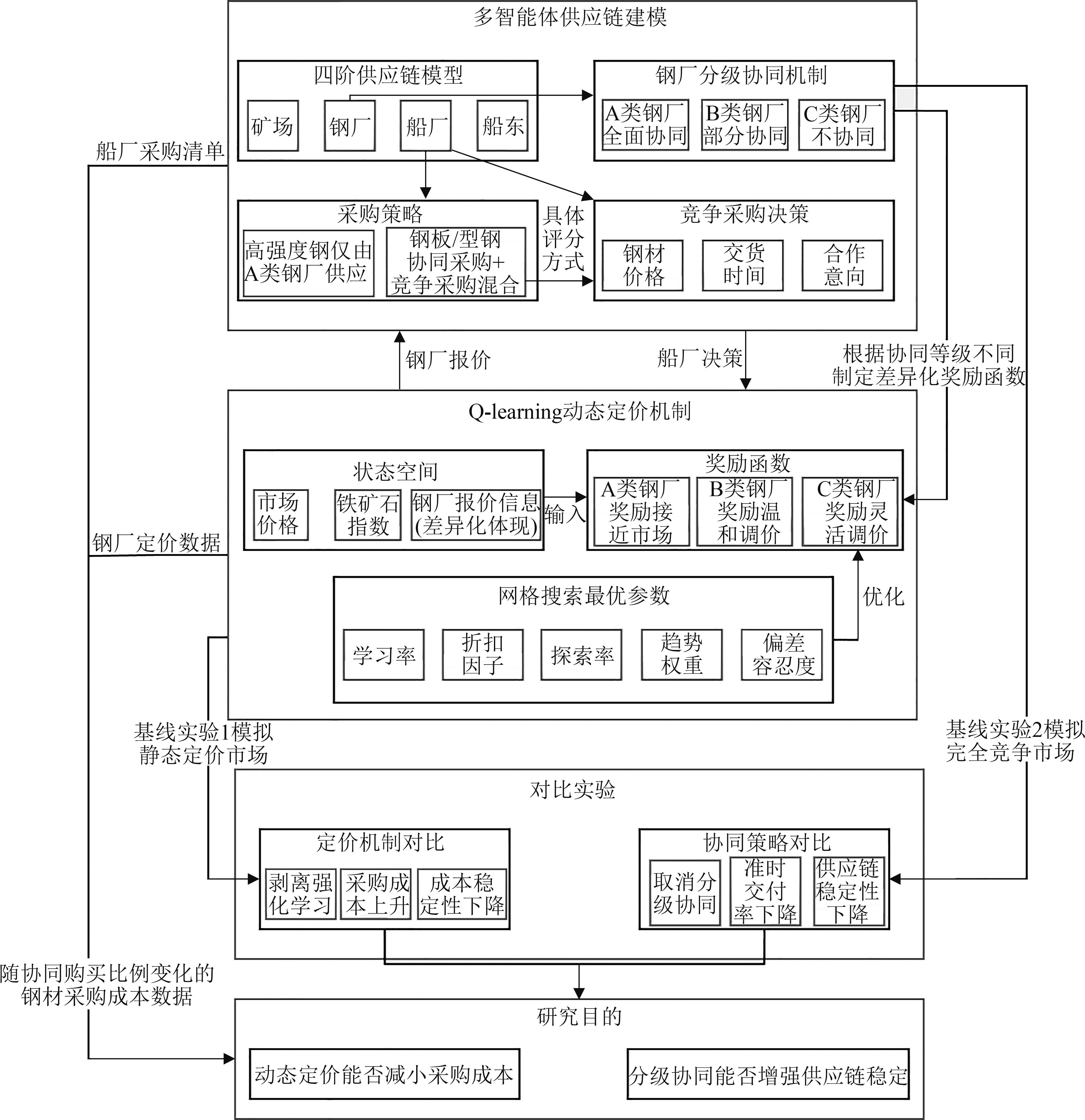
Fig. 2
Agent interaction methods at different levels
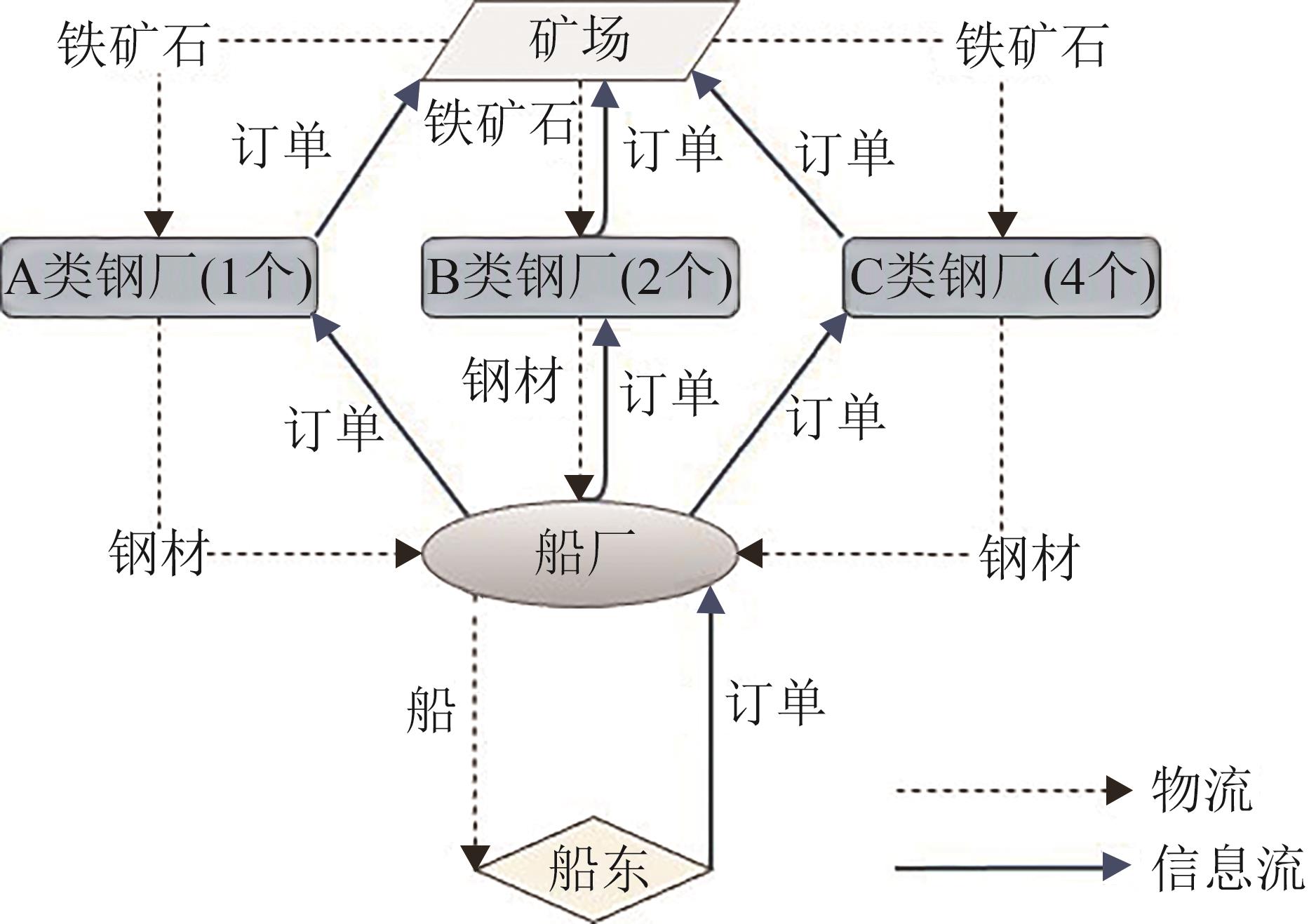
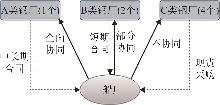
Fig. 3
Hierarchical collaboration between shipyards and steel mills
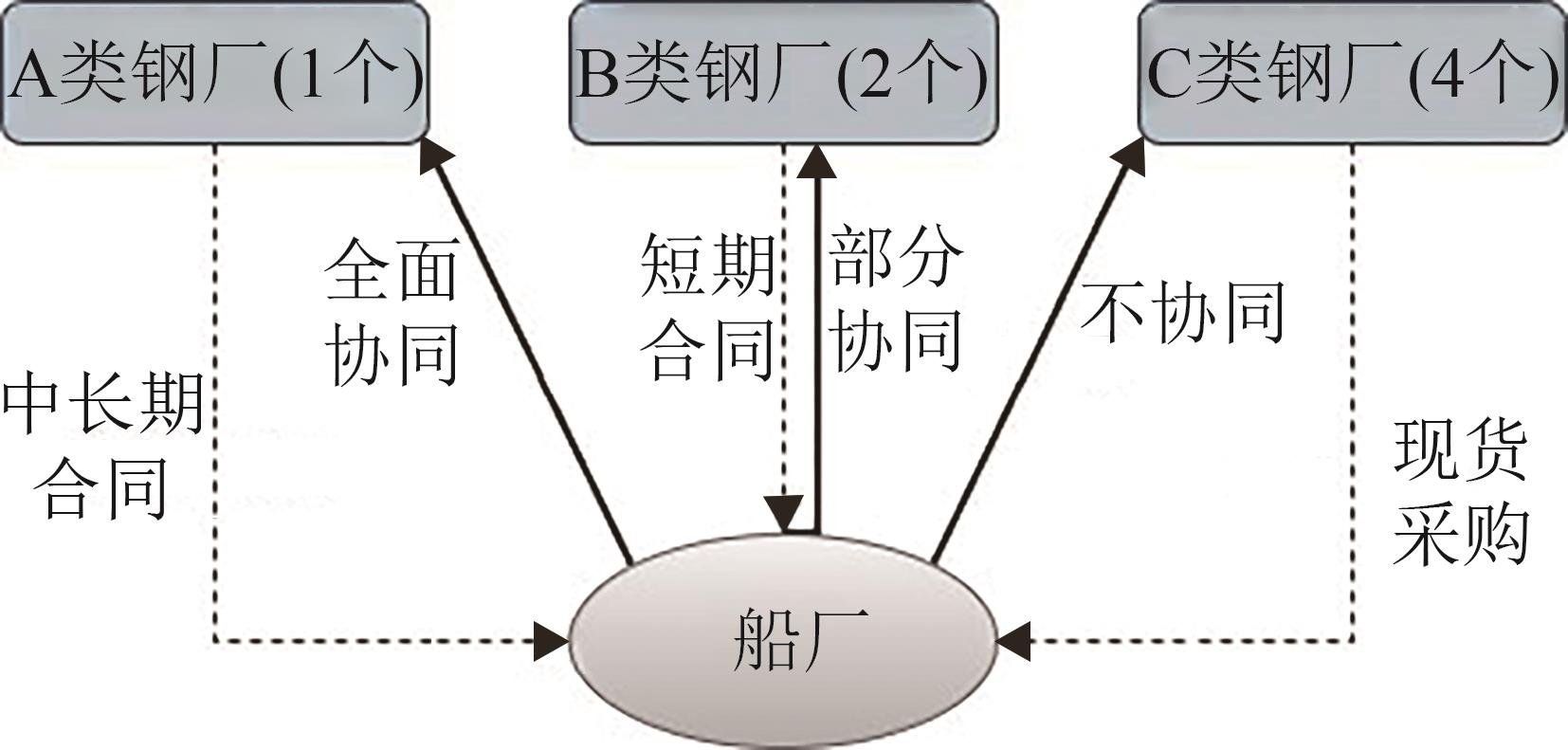
Table 1
Steel mill production efficiency
| 钢厂类型 | 钢板 | 型钢 | 高强度钢 |
|---|---|---|---|
| A类 | 2 000 | 1 200 | 200 |
| B类 | 1 000 | 700 | — |
| C类 | 600 | 400 | — |
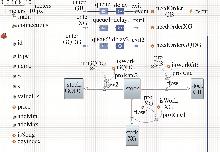
Fig. 4
Steel mill agent simulating competitive production of steel orders
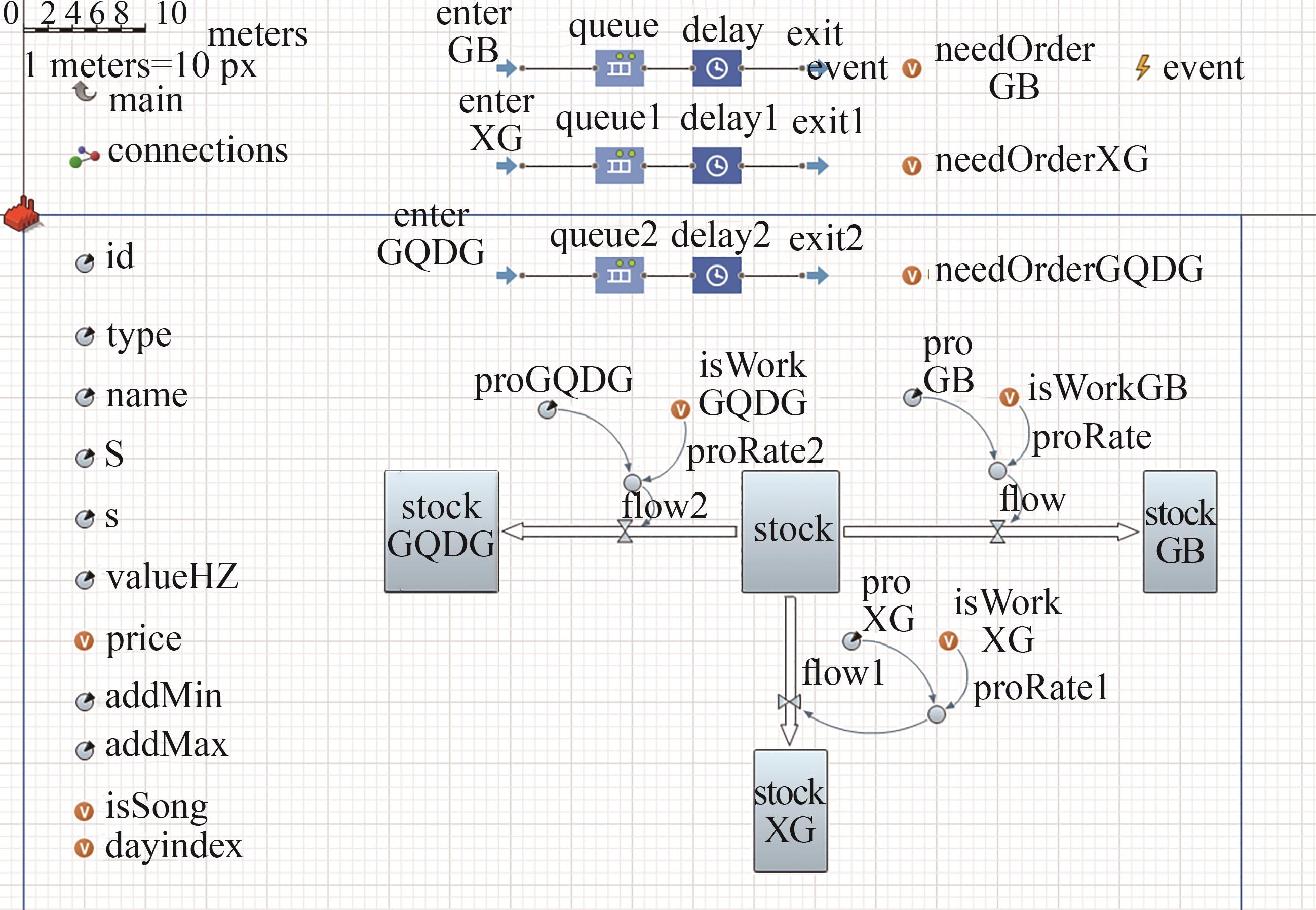
Fig. 5
Order agent for handling tiered collaborative purchasing
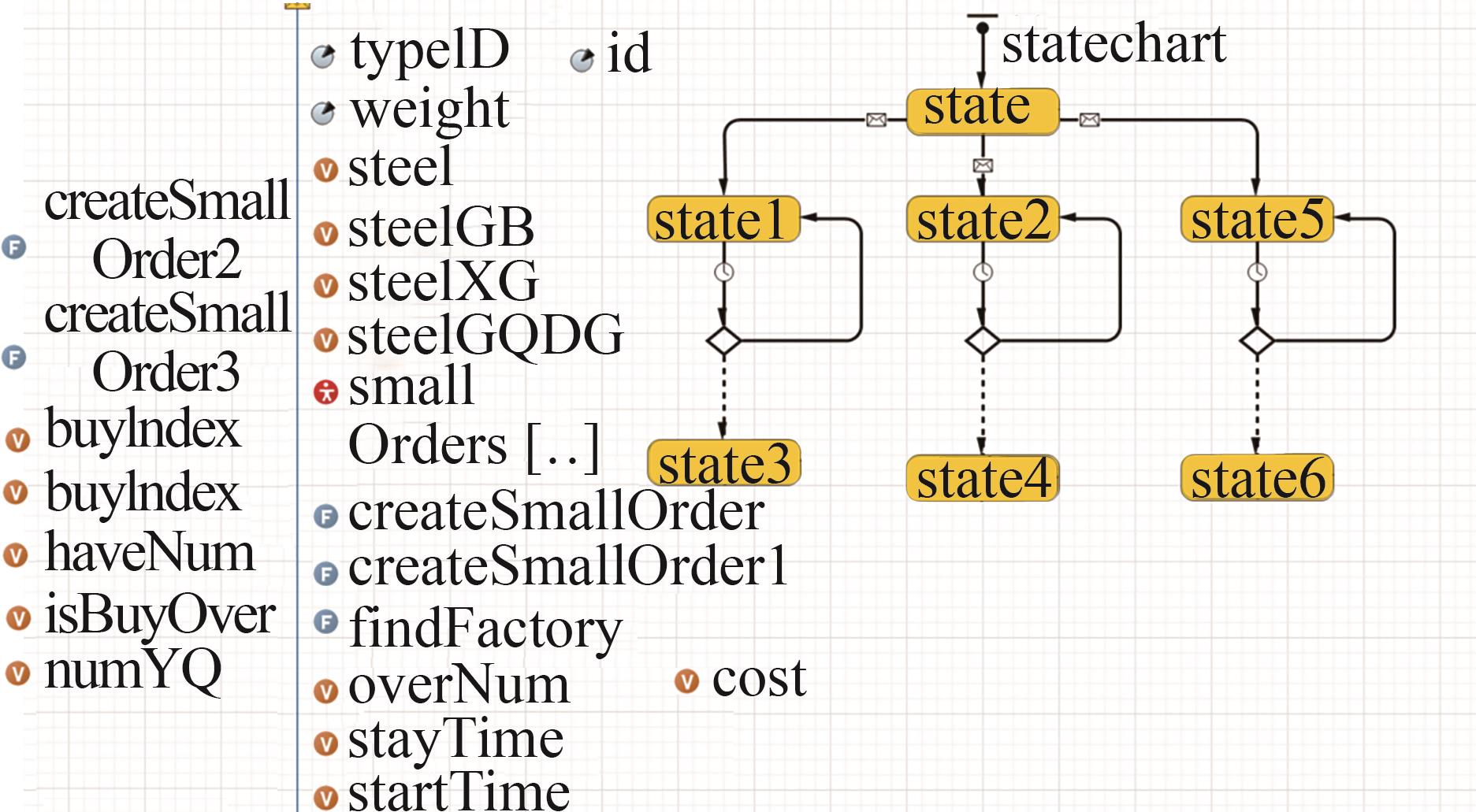
Table 2
Candidate ranges of key algorithm parameters
| 参数 | 取值范围 |
|---|---|
| 学习率 | {0.1, 0.3, 0.5, 0.7} |
| 折扣因子 | {0.9, 0.93, 0.95, 0.97, 0.99} |
| 探索率 | {0.1, 0.3, 0.5, 0.7, 0.9} |
| 趋势权重 | {0.2, 0.4, 0.6, 0.8} |
| 偏差容忍度 | {0.1, 0.2, 0.3, 0.4, 0.5} |
Table 3
Algorithm parameter values
| 参数 | 最优取值 |
|---|---|
| 学习率 | 0.5 |
| 折扣因子 | 0.95 |
探索率 训练次数 趋势权重 偏差容忍度 | 0.5 200 0.6 0.2 |
Fig. 6
Effects of parameters on trend matching rate
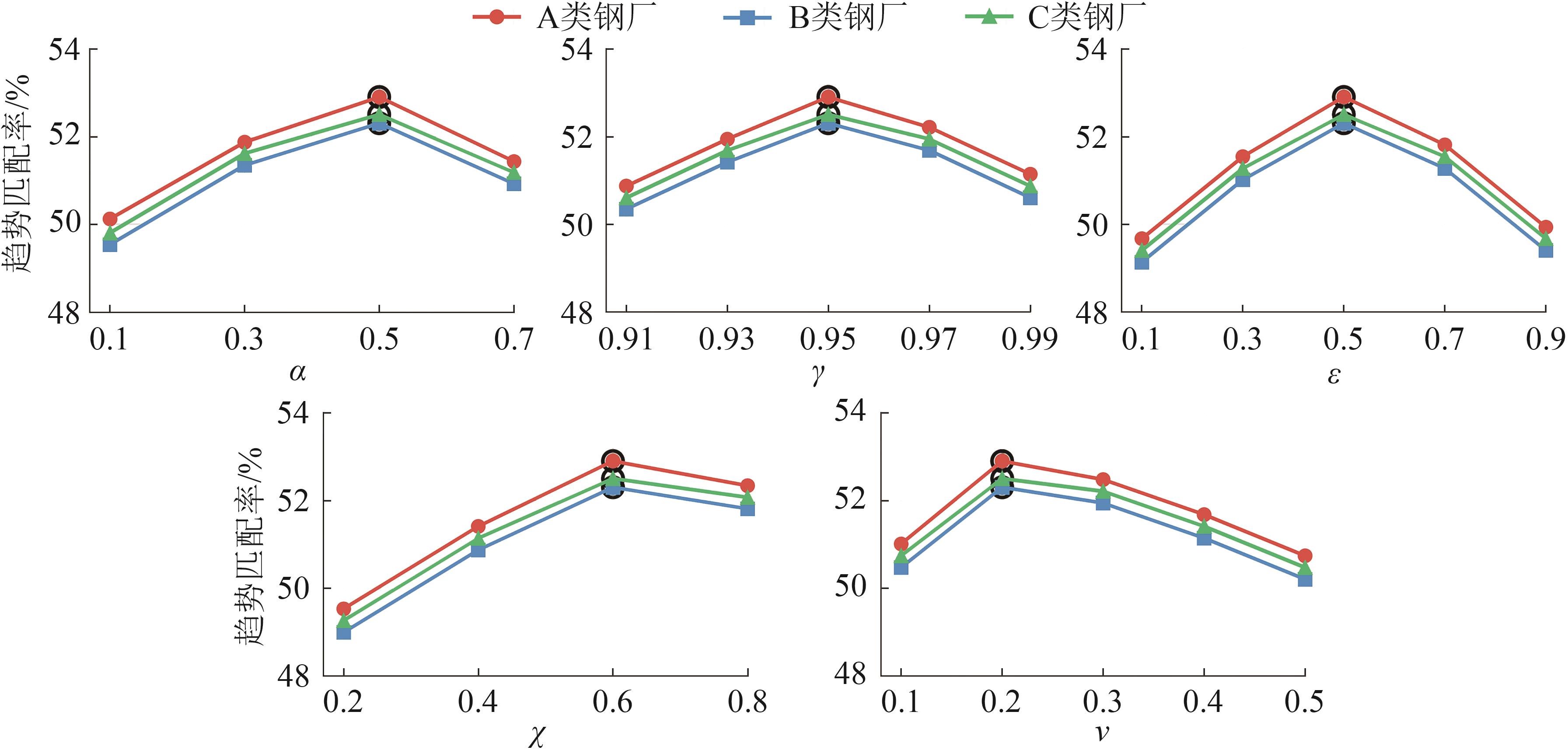
Fig. 7
Effects of parameters on average price deviation
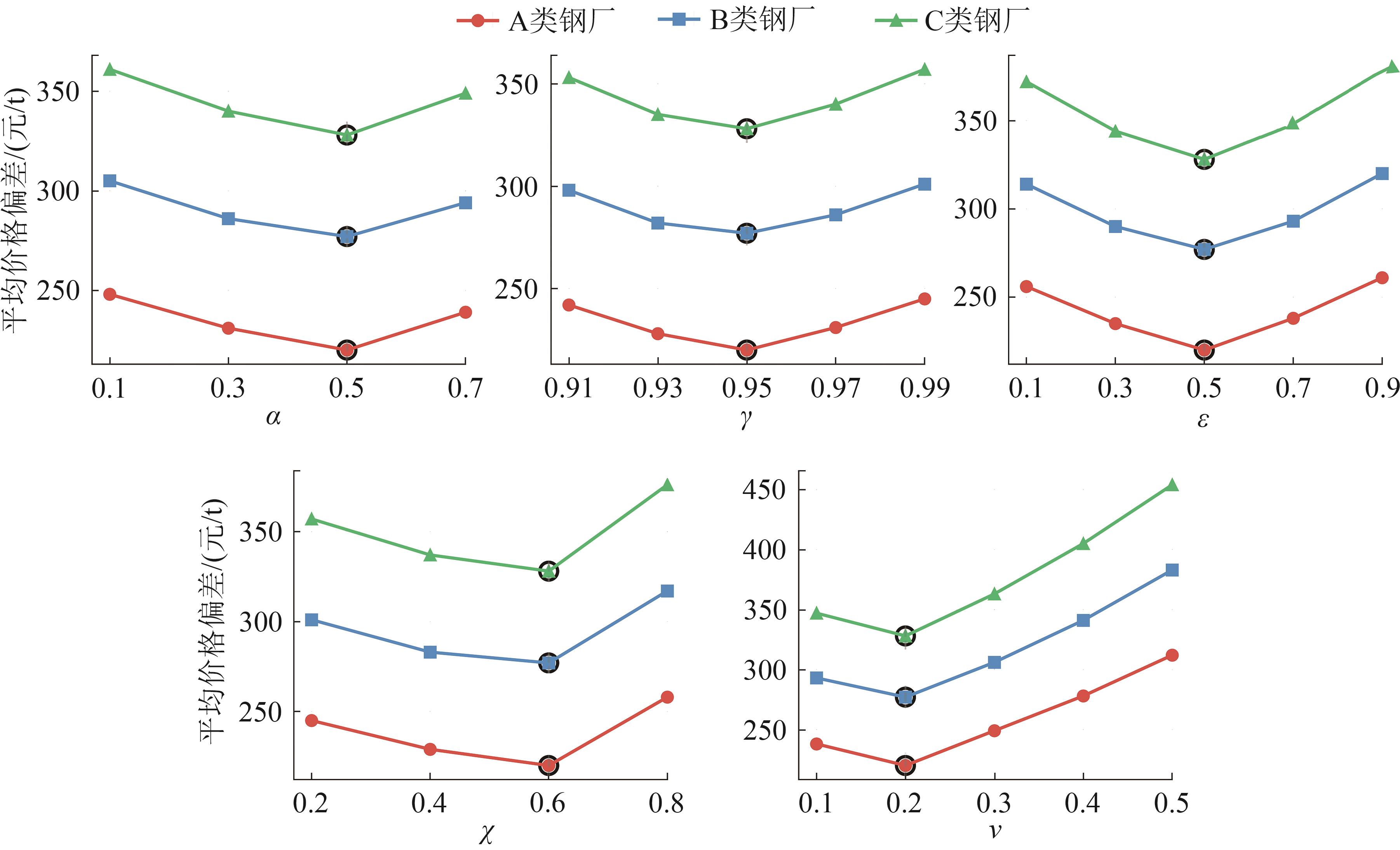
Fig. 8
Final pricing results of three types of steel mills
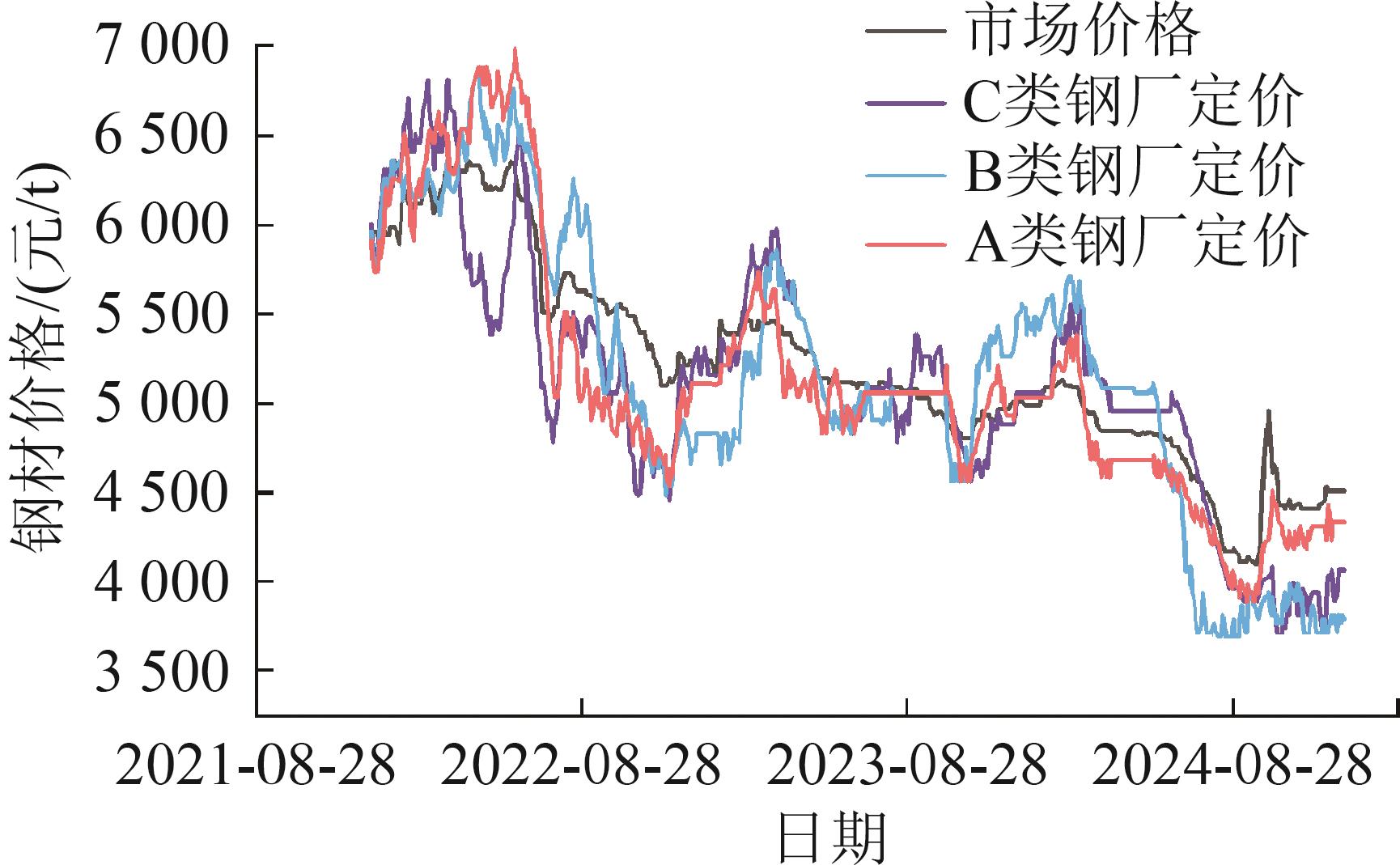
Table 4
Metrics for algorithm result analysis
| 评估指标 | A类钢厂 | B类钢厂 | C类钢厂 |
|---|---|---|---|
| 趋势匹配率/% | 52.9 | 52.3 | 52.5 |
| 趋势匹配次数 | 396 | 391 | 393 |
| 平均价格偏差/(元/t) | 220 | 277 | 328 |
| 平均价格偏差率/% | 4.88 | 6.15 | 7.27 |
Fig. 9
Total steel procurement cost for 14000TEU container ship
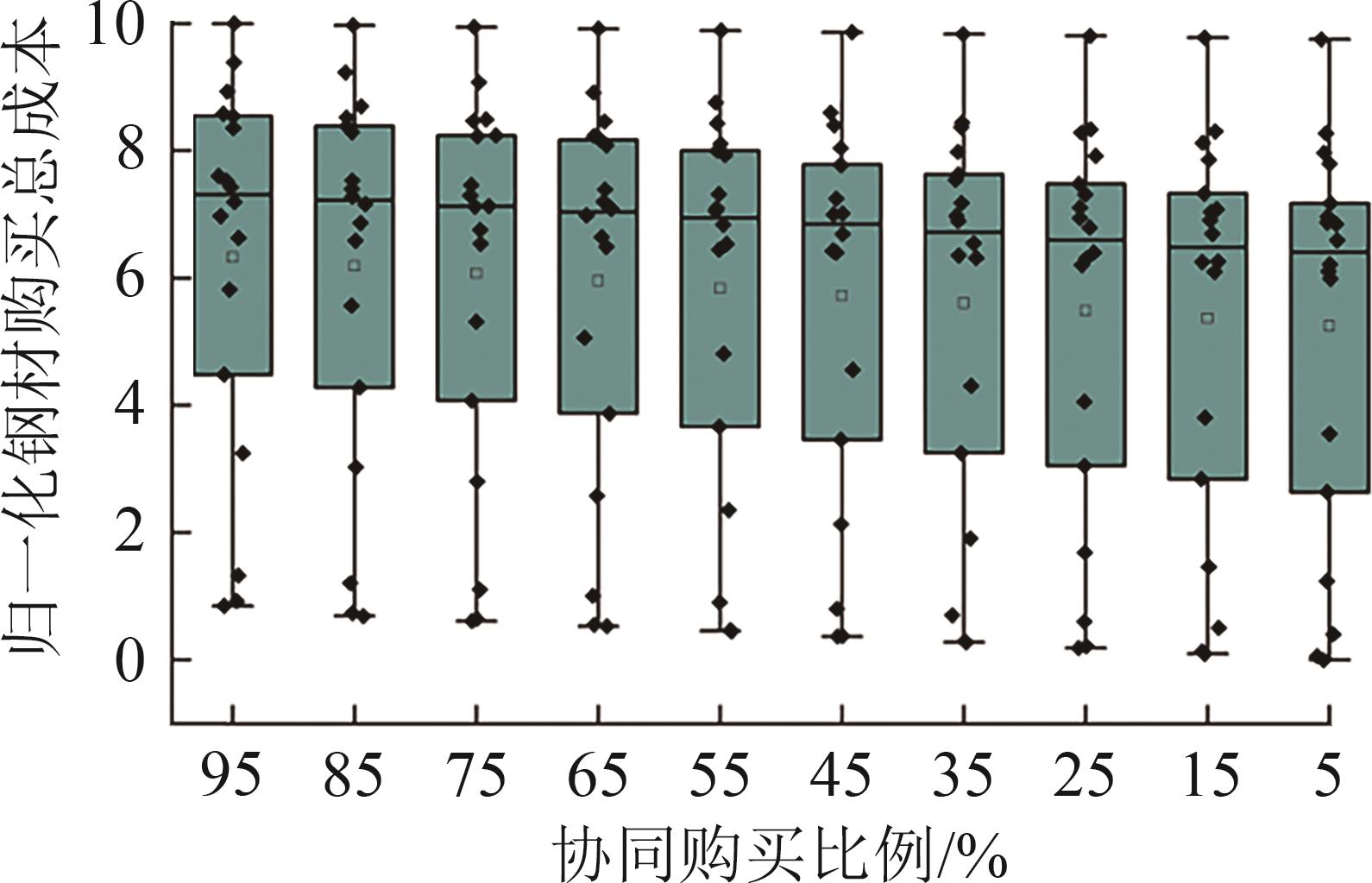
Fig. 10
Total steel procurement cost for 20000DWT bulk carrier
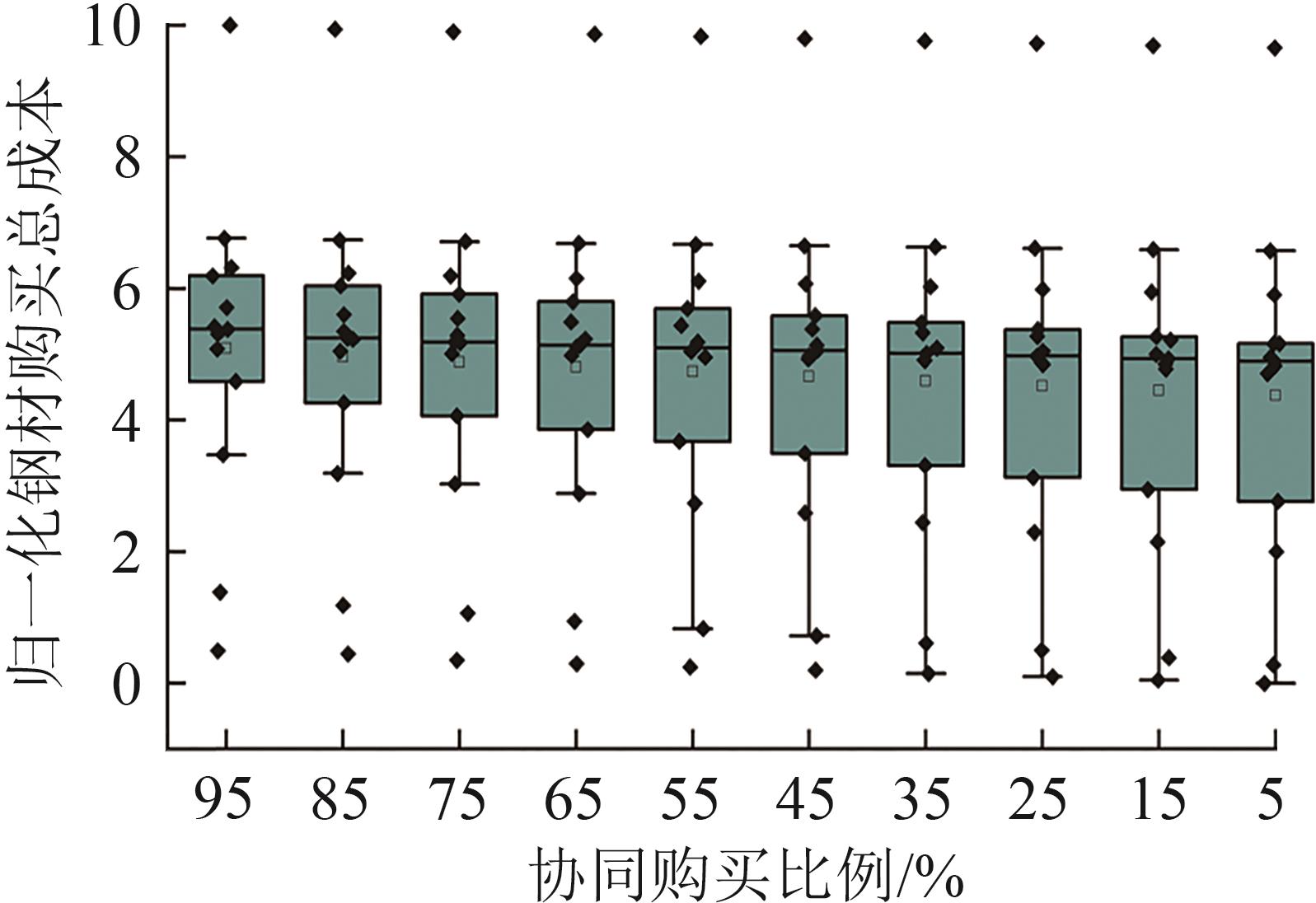
Fig. 11
Total steel procurement cost for 8000DWT bulk carrier
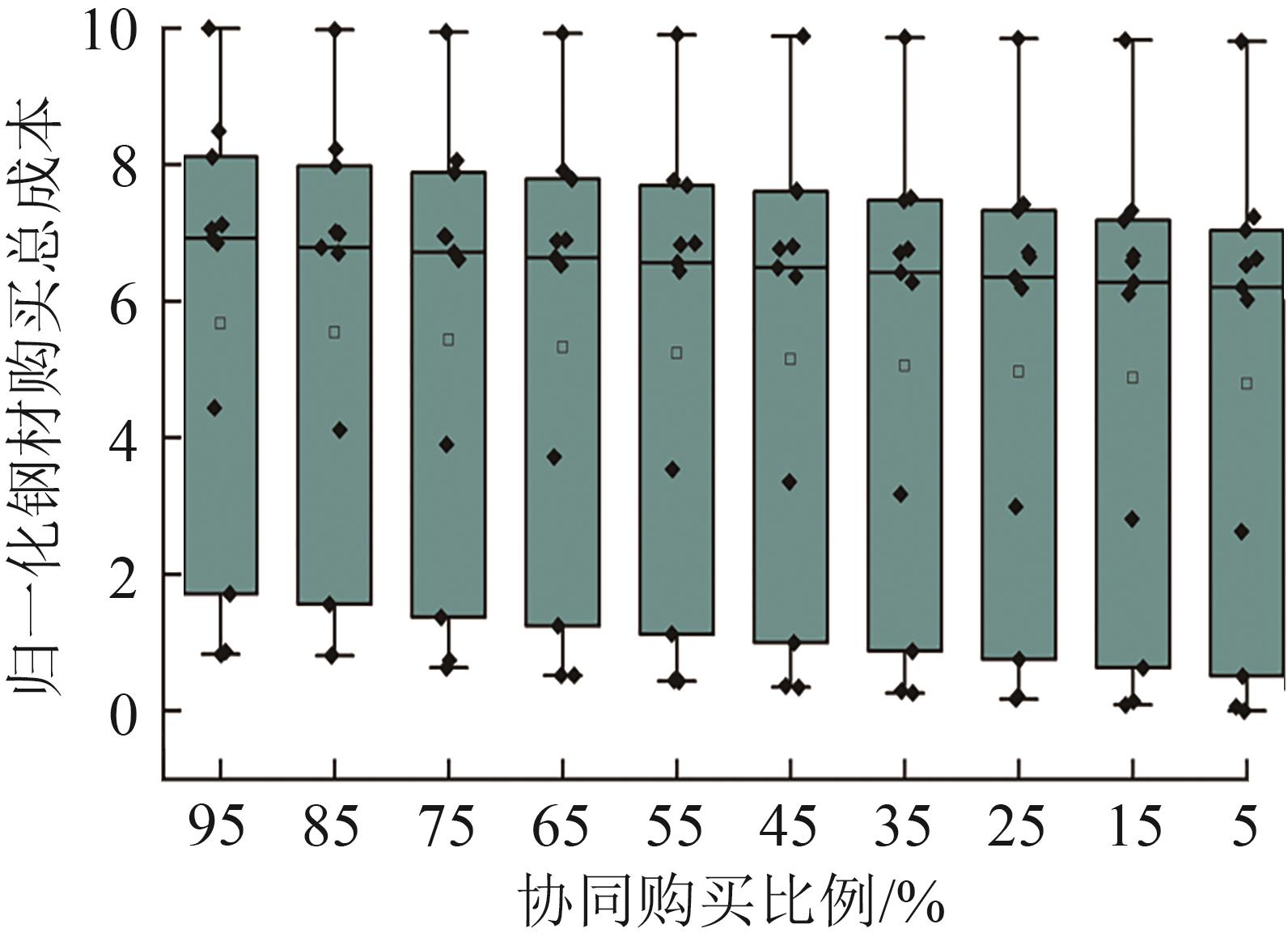
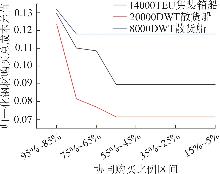
Fig. 12
Variation in total steel cost difference with collaborative purchasing ratio
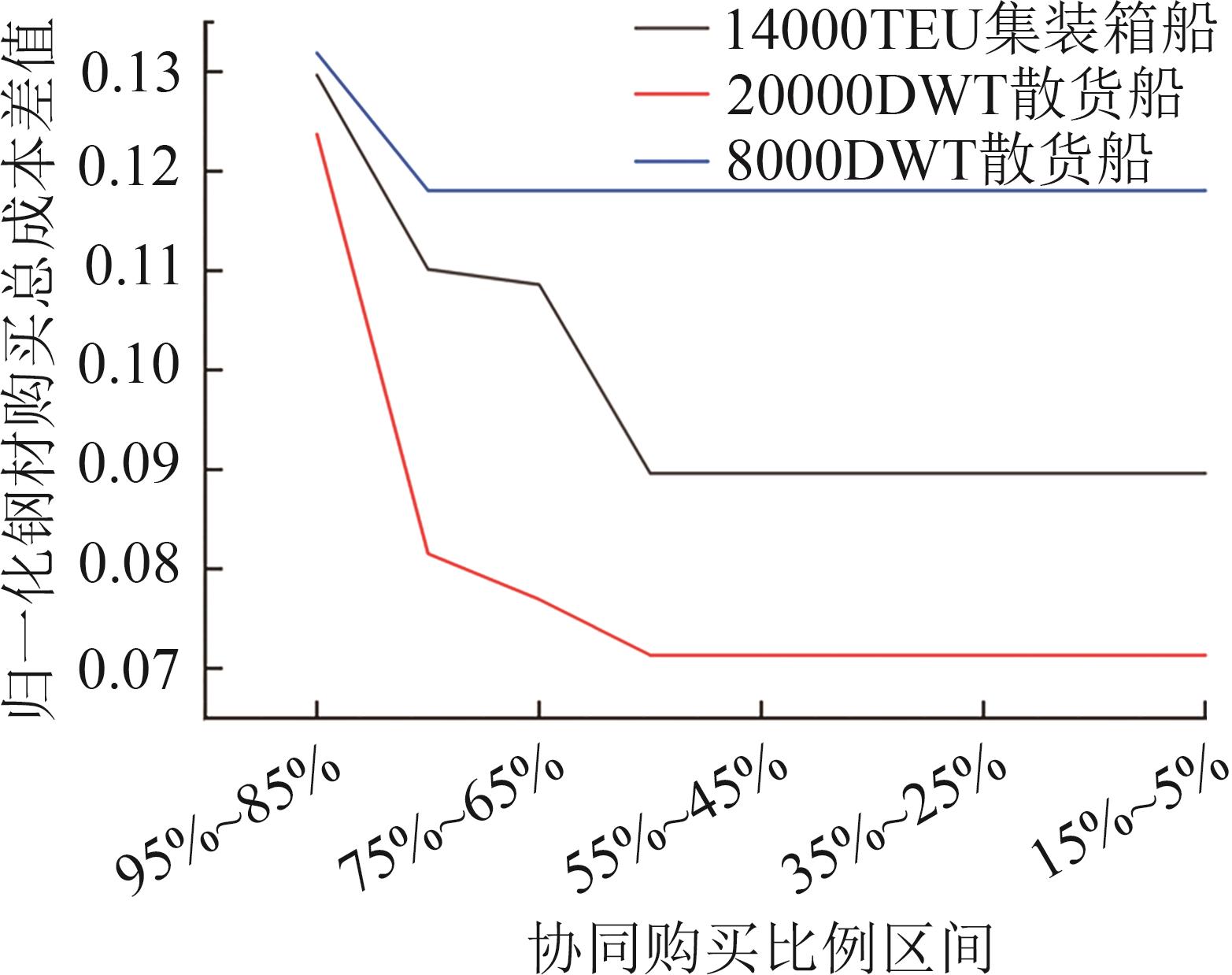
Table 5
Statistical results of total steel procurement cost for 3 ship types under different pricing mechanisms
| 统计参数 | 14000TEU集装箱船 | 20000DWT散货船 | 8000DWT散货船 | ||||||
|---|---|---|---|---|---|---|---|---|---|
| 模型实验 | 对比实验 | 提升/% | 模型实验 | 对比实验 | 提升/% | 模型实验 | 对比实验 | 提升/% | |
| 平均成本 | 1.72×10⁸ | 1.87×10⁸ | 8.02 | 1.34×10⁸ | 1.61×10⁸ | 16.77 | 0.59×10⁸ | 0.68×10⁸ | 13.24 |
| 标准差 | 0.19 | 0.26 | 26.92 | 0.17 | 0.29 | 41.38 | 0.05 | 0.07 | 28.57 |
| 极差 | 0.56 | 0.76 | 26.32 | 0.51 | 0.67 | 23.88 | 0.19 | 0.21 | 9.52 |
| 变异系数 | 0.11 | 0.14 | 21.43 | 0.13 | 0.18 | 27.78 | 0.08 | 0.10 | 20.00 |
| [1] | 柴志苗, 李旭东, 龚迪. 船舶结构设计优化与物资采购策略协同研究[J]. 船舶物资与市场, 2025, 33(9): 58-60. |
| [2] | 薛雷, 胡一博, 黄爱华, 等. 造船企业与供应商产品质量改进协作模型研究[J]. 中国造船, 2021, 62(1): 202-212. |
| Xue Lei, Hu Yibo, Huang Aihua, et al. Research on Collaborative Model of Product Quality Improvement between Shipyard and Supplier[J]. Shipbuilding of China, 2021, 62(1): 202-212. | |
| [3] | Chu Niansheng, Nie Xiang, Xu Jiang, et al. A Systematic Approach of Lean Supply Chain Management in Shipbuilding[J]. SN Applied Sciences, 2021, 3(5): 572. |
| [4] | Pant K, Palanisamy P. Industry 4.0 in the Perspective of Supply Chain Management: Evolution and Future Research Agenda[J]. Engineering Management Journal, 2025, 37(1): 52-70. |
| [5] | Harichandan Sidhartha, Kumar Kar Sanjay. Financing the Hydrogen Industry: Exploring Demand and Supply Chain Dynamics[J]. Environmental Science and Pollution Research, 2025, 32(22): 13281-13298. |
| [6] | Centobelli Piera, Cerchione Roberto, Maglietta Amedeo, et al. Sailing Through a Digital and Resilient Shipbuilding Supply Chain: An Empirical Investigation[J]. Journal of Business Research, 2023, 158: 113686. |
| [7] | Ramirez-Peña Magdalena, J Sánchez Sotano Alejandro, Pérez-Fernandez Víctor, et al. Achieving a Sustainable Shipbuilding Supply Chain Under I4.0 Perspective[J]. Journal of Cleaner Production, 2020, 244: 118789. |
| [8] | Cebral-Fernández Mar, Rouco-Couzo Marcos, Marta Quiroga Pazos, et al. Application of a Multi-level Simulation Model for Aggregate and Detailed Planning in Shipbuilding[C]//2017 Winter Simulation Conference (WSC). Piscataway: IEEE, 2017: 3864-3875. |
| [9] | 冯昌斌. 简析造船企业的供应链管理路径[J]. 工程与管理科学, 2024, 6(10): 115-117. |
| Feng Changbin. Summarize the Supply Chain Management Path of Shipbuilding Enterprises[J]. Engineering and Management Science, 2024, 6(10): 115-117. | |
| [10] | 吴拥军, 储年生, 李锟林. 造船精益供应链管理体系的建立[J]. 船舶与海洋工程, 2020, 36(5): 65-69. |
| Wu Yongjun, Chu Niansheng, Li Kunlin. Establishment of Lean Management System for the Supply Chain of Shipbuilding[J]. Naval Architecture and Ocean Engineering, 2020, 36(5): 65-69. | |
| [11] | DivassonJ A, Macarulla A M, Garcia J I, et al. Agent-based Modeling in Urban Human Mobility: A Systematic Review[J]. Cities, 2025, 158: 105697. |
| [12] | Wooldridge M, Jennings N R. Intelligent Agents: Theory and Practice[J]. The Knowledge Engineering Review, 1995, 10(2): 115-152. |
| [13] | Yang Yongbin, Wang Mengdie, Wang Jiyuan, et al. Multi-agent Deep Reinforcement Learning for Integrated Demand Forecasting and Inventory Optimization in Sensor-enabled Retail Supply Chains[J]. Sensors, 2025, 25(8): 2428. |
| [14] | Okubo Yui, Mitsuyuki Taiga. Ship Production Planning Using Shipbuilding System Modeling and Discrete Time Process Simulation[J]. Journal of Marine Science and Engineering, 2022, 10(2): 176. |
| [15] | Wiśnicki Bogusz, Dzhuguryan Tygran, Mielniczuk Sylwia, et al. A Decision Support Model for Lean Supply Chain Management in City Multifloor Manufacturing Clusters[J]. Sustainability, 2024, 16(20): 8801. |
| [16] | 康为. 关于造船企业物资采购管理的探讨[J]. 船舶物资与市场, 2019(3): 50-51. |
| [17] | 姜莱. 船舶物资采购成本风险评价与规避对策分析[J]. 造船技术, 2024, 52(2): 72-79. |
| Jiang Lai. Cost Risk Evaluation and Avoidance Countermeasure Analysis of Ship Material Purchase[J]. Marine Technology, 2024, 52(2): 72-79. | |
| [18] | Salsa Tara Aska, Praharsi Yugowati, Suhardjito Gaguk. Performance Analysis and Supplier Evaluation Using Analytical Hierarchy Process and Technique for Order Preference by Similarity to Ideal Solution at the Shipyard Company[C]//Proceedings of the International Conference on Applied Science and Technology on Social Science 2022 (iCAST-SS 2022). Dordrecht: Atlantis Press, 2022: 553-562. |
| [19] | Tokic Michel. Adaptive ε -greedy Exploration in Reinforcement Learning Based on Value Differences[C]//KI 2010: Advances in Artificial Intelligence. Berlin, Heidelberg: Springer Berlin Heidelberg, 2010: 203-210. |
| [20] | Sutton R S, Barto A G. Reinforcement Learning: An Introduction[M]. Cambridge: MIT Press, 2018. |
| [21] | 赵玉蕾. 供应链中"牛鞭效应"的成因分析及弱化措施[J]. 时代经贸, 2019(30): 52-53. |
| Zhao Yulei. Analysis of the Causes of the Bullwhip Effect in the Supply Chain and Its Weakening Measures[J]. Times of Economy & Trade, 2019(30): 52-53. |
| [1] | Wang Shaoping, Zhang Chao, Li Ni, Cui Yong, Zhao Yongjia, Quan Quan. Exploration and Practice of Talent Cultivation System for System Modeling and Simulation [J]. Journal of System Simulation, 2026, 38(6): 1485-1490. |
| [2] | Wang Yifan, Yang Bin, Wang Congjun. Simulation Method for Multi-crew Construction Processes Based on Large Language Model-powered Agent [J]. Journal of System Simulation, 2026, 38(2): 488-500. |
| [3] | Zhang Long, Huang Wenbo, Feng Xuanming, Lei Zhen, Wang Ying. Mission-oriented Combat Effectiveness Evaluation Model for Intelligent Equipment System-of-systems [J]. Journal of System Simulation, 2026, 38(10): 2819-2839. |
| [4] | Lin Rui, Liu Xiaolu, Du Yonghao, Geng Mingyang, Shi Zhenshun. Q-learning Enhanced Memetic Algorithm for Robust Scheduling of Space Launch Missions [J]. Journal of System Simulation, 2026, 38(10): 3126-3138. |
| [5] | Yao Changhua, Bi Shanning, Ma Rufei, Yu Xiaohan, Li Jiaqiang, Chen Jinli. Method for Dynamic Coalition Formation of Wargame Agent for Force Cooperation [J]. Journal of System Simulation, 2025, 37(5): 1188-1196. |
| [6] | Peng Yi, Lei Yunkui, Yang Qingqing, Li Hui, Wang Jianming. Improved PID Search Algorithm for UAV Path Planning in Mountainous Environments [J]. Journal of System Simulation, 2025, 37(12): 3075-3086. |
| [7] | Xuan Hua, Lü Lin, Li Bing. Distributed Heterogeneous Hybrid Flow-shop Scheduling Considering Combined Buffer [J]. Journal of System Simulation, 2025, 37(10): 2672-2686. |
| [8] | Wang Yuelong, Wang Songyan, Chao Tao. Multi-step Information Aided Q-learning Path Planning Algorithm [J]. Journal of System Simulation, 2024, 36(9): 2137-2148. |
| [9] | Wang Xiaokang, Ji Jie, Liu Yang, He Qing. Path Planning of Unmanned Delivery Vehicle Based on Improved Q-learning Algorithm [J]. Journal of System Simulation, 2024, 36(5): 1211-1221. |
| [10] | Liang Xiaolong, Yang Aiwu, Zhang Jiaqiang, Hou Yueqi, Wang Ning, Huang Xiao, Gong Junbin. Simulation Verification and Decision-making Key Technologies of Unmanned Swarm Game Confrontation: A Survey [J]. Journal of System Simulation, 2024, 36(4): 805-816. |
| [11] | Zhao Zhang, Yujie Guo, Xiaoning Zhao, Baoliang Sun, Shuanghou Deng, Guoxu Feng. Military Metaverse: Key Technologies, Potential Applications and Future Directions [J]. Journal of System Simulation, 2023, 35(7): 1421-1437. |
| [12] | Wu Xiaomeng, Yuan Rongze, Li Yingliang, Zhu Qi. Optimized scheduling of Distribution Network with Distributed Generation Based on Coronavirus Herd Immunity Optimizer Algorithm [J]. Journal of System Simulation, 2023, 35(12): 2692-2702. |
| [13] | Wang Yukun, Wang Ze, Dong Liwei, Li Ni. Research on Multi-aircraft Air Combat Behavior Modeling Based on Hierarchical Intelligent Modeling Methods [J]. Journal of System Simulation, 2023, 35(10): 2249-2261. |
| [14] | Lingjia Ni, Xiaoxia Huang, Hongga Li, Zibo Zhang. Research on Fire Emergency Evacuation Simulation Based on Cooperative Deep Reinforcement Learning [J]. Journal of System Simulation, 2022, 34(6): 1353-1366. |
| [15] | Xin Zhou, Weiping Wang, Yifan Zhu, Tao Wang, Tian Jing. An Unmanned Swarm Search Method Based on Human-Robot Cooperation [J]. Journal of System Simulation, 2022, 34(4): 735-744. |
| Viewed | ||||||
|
Full text |
|
|||||
|
Abstract |
|
|||||
 http://www.china-simulation.com

