

Journal of System Simulation ›› 2025, Vol. 37 ›› Issue (12): 3176-3189.doi: 10.16182/j.issn1004731x.joss.25-FZ0648
• Papers • Previous Articles Next Articles
Xu Zhixia, Wang Rui, Sun Nan, He Bing, Shen Xiaowei, Zhu Xiaofei
Received:2025-07-08
Revised:2025-08-21
Online:2025-12-26
Published:2025-12-24
Contact:
He Bing
CLC Number:
Xu Zhixia, Wang Rui, Sun Nan, He Bing, Shen Xiaowei, Zhu Xiaofei. Research on Cooperative Interference Allocation of Jamming Resources Based on Improved Genetic Algorithm[J]. Journal of System Simulation, 2025, 37(12): 3176-3189.
Fig. 1
Time-domain factors
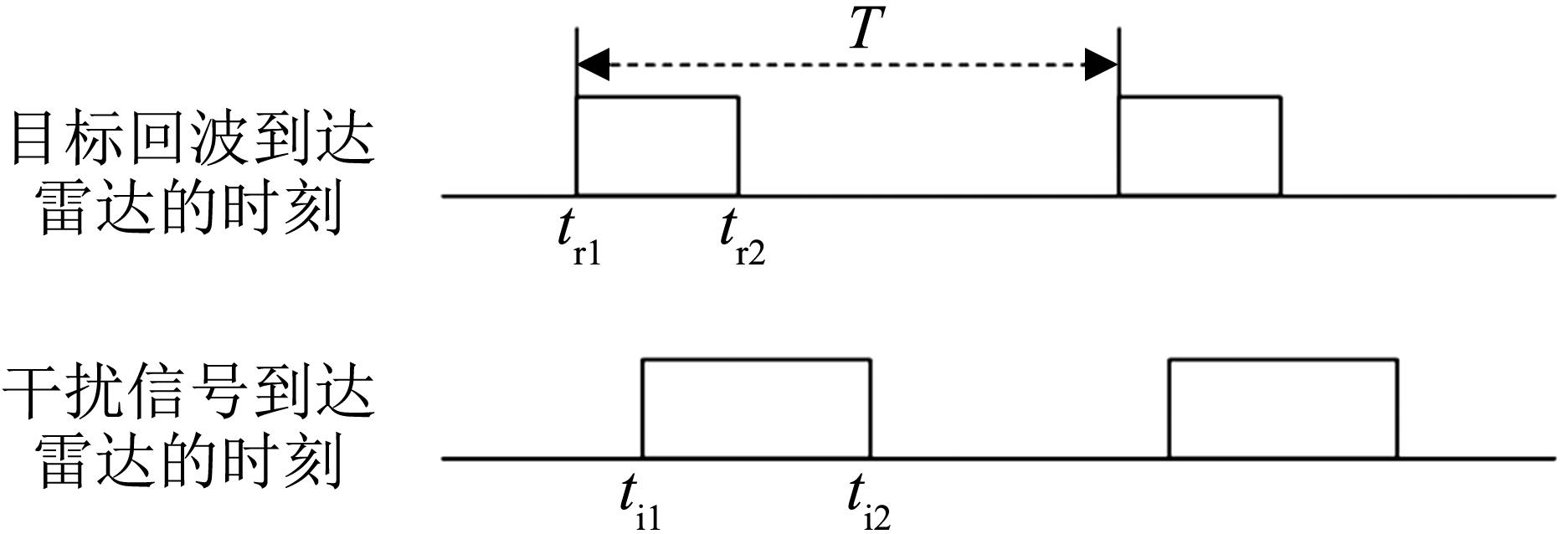
Fig. 2
Frequency-domain factors
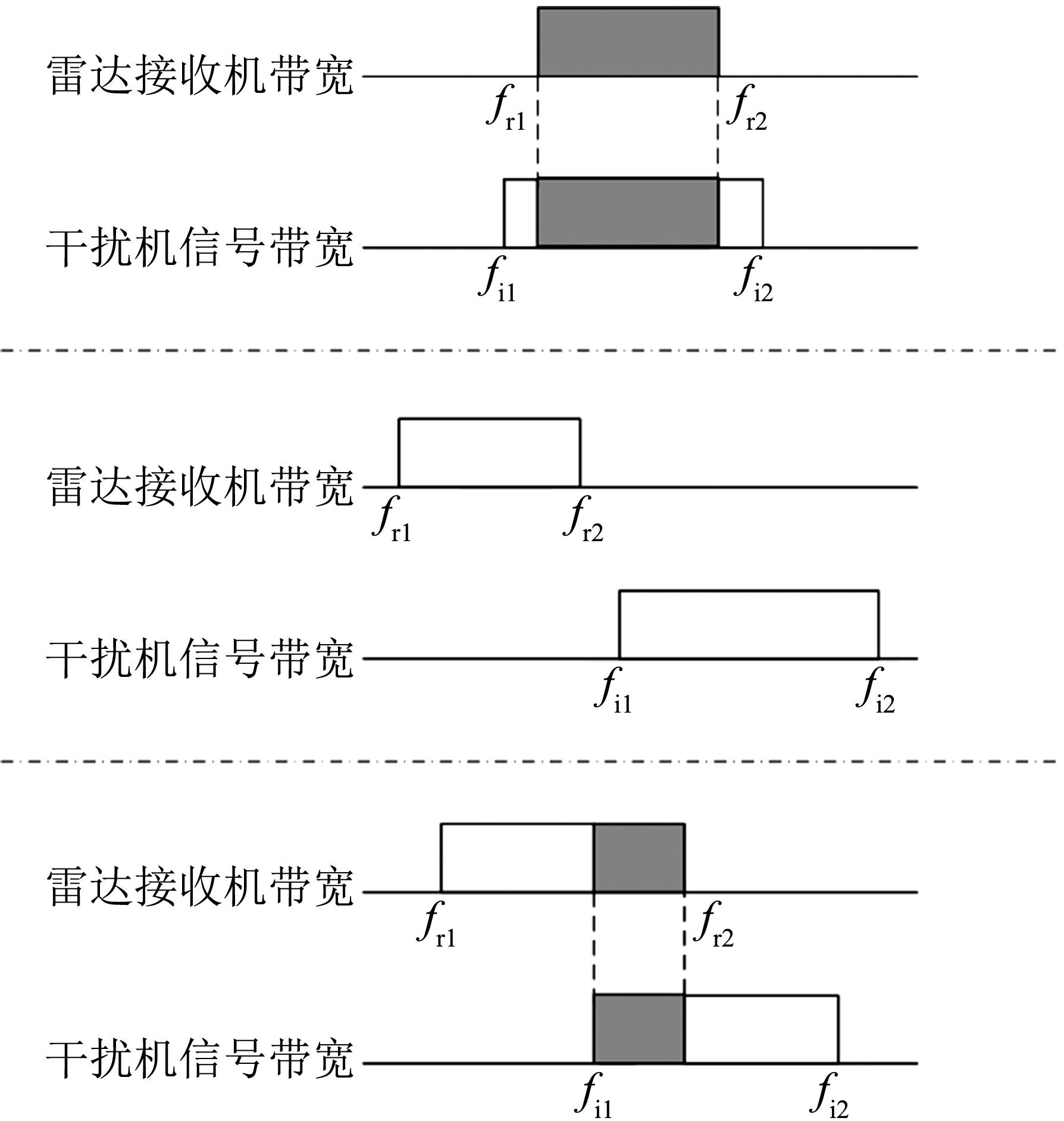
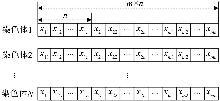
Fig. 3
Chromosome coding
Table 1
Radar parameters
| 雷达 | 距离/km | 高度/km | 载频/GHz | 重频/Hz | 脉宽/μs |
|---|---|---|---|---|---|
| R1 | 145 | 8.2 | 2.2 | 313 | 30 |
| R2 | 310 | 69 | 12 | 385 | 9 |
| R3 | 130 | 11.2 | 10 | 2 500 | 25 |
| R4 | 507 | 60 | 8 | 385 | 27 |
| R5 | 823 | 100 | 2 | 500 | 25 |
| R6 | 179 | 40 | 9.6 | 1 250 | 16 |
| R7 | 138 | 7.9 | 11 | 2 000 | 13 |
| R8 | 187 | 15 | 4.8 | 900 | 40 |
Table 2
Weight of radar indicators
| 雷达工作模式 | 距离 | 高度 | 载频 | 重频 | 脉宽 |
|---|---|---|---|---|---|
| 搜索模式 | 0.16 | 0.19 | 0.36 | 0.20 | 0.09 |
| 跟踪模式 | 0.16 | 0.21 | 0.15 | 0.27 | 0.21 |
Table 3
Assessment results of radar threat levels
| 模式 | R1 | R2 | R3 | R4 | R5 | R6 | R7 | R8 |
|---|---|---|---|---|---|---|---|---|
| 搜索 | 0.92 | 0.27 | 0.47 | 0.45 | 0.58 | 0.42 | 0.43 | 0.78 |
| 跟踪 | 0.53 | 0.45 | 0.85 | 0.34 | 0.14 | 0.63 | 0.87 | 0.56 |
Table 4
Interference effectiveness matrix
| J1 | J2 | J3 | J4 | |
|---|---|---|---|---|
| R1 | 0.8 | 0.6 | 0.2 | 0.5 |
| R2 | 0.5 | 0.6 | 0.2 | 0.9 |
| R3 | 0.6 | 0 | 0.7 | 0.4 |
| R4 | 0.4 | 0.4 | 0.6 | 0.8 |
| R5 | 0 | 0.4 | 0.8 | 0.7 |
| R6 | 0.4 | 0.8 | 0.9 | 0.3 |
| R7 | 0.7 | 0.5 | 0.5 | 0.6 |
| R8 | 0.5 | 0.7 | 0.6 | 0.5 |
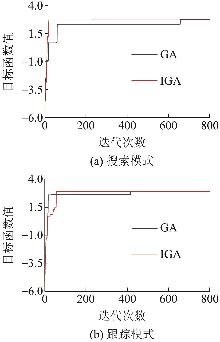
Fig. 4
Objective function values of result of single run(Scenario I)
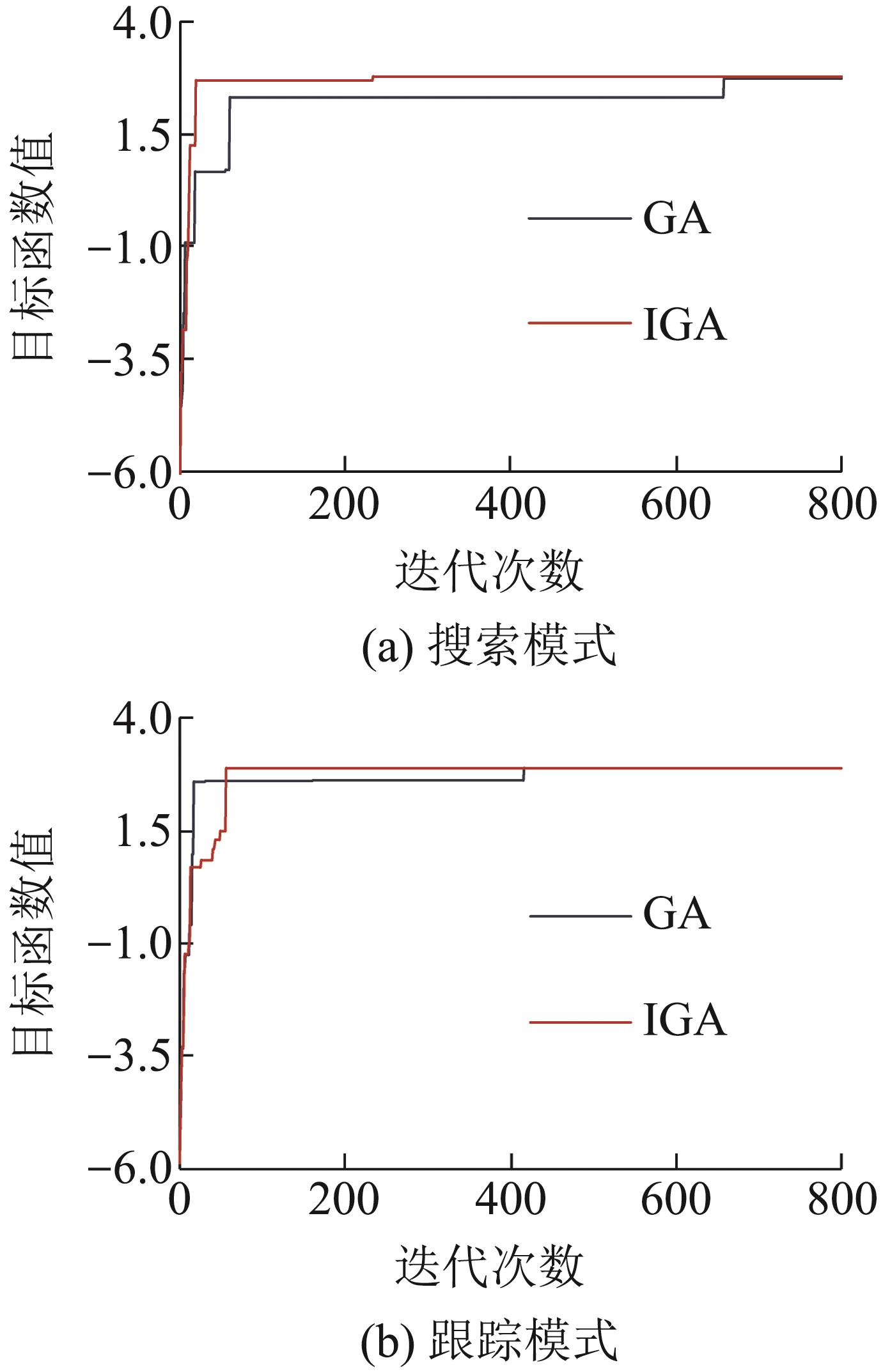
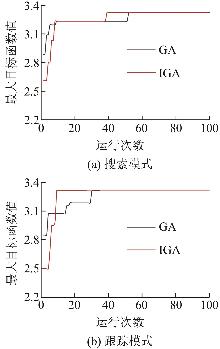
Fig. 5
Maximum objective function value of results of 100 runs(Scenario I)
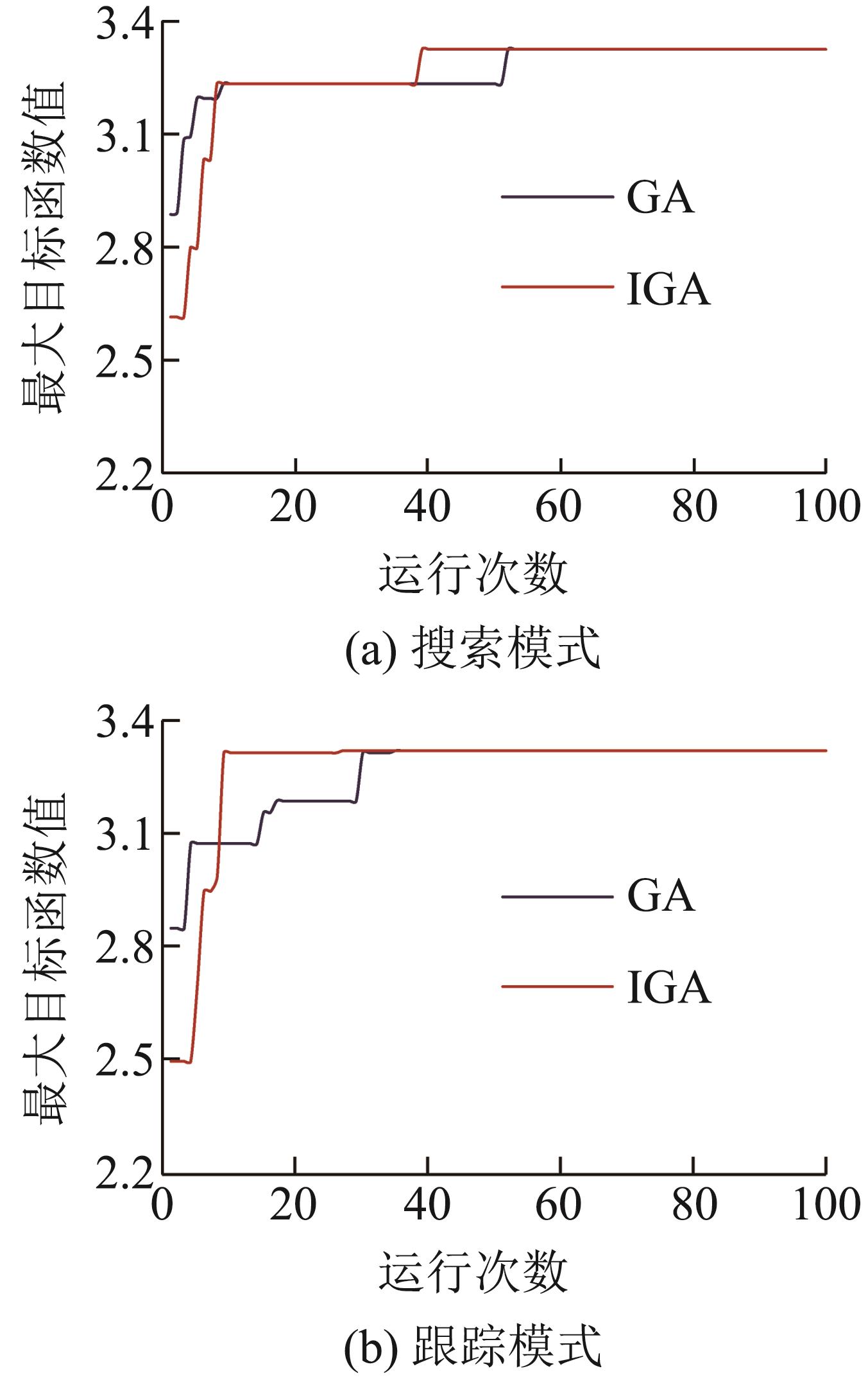
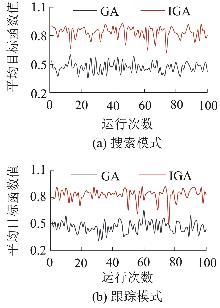
Fig. 6
Average objective function values of results of 100 runs(Scenario I)
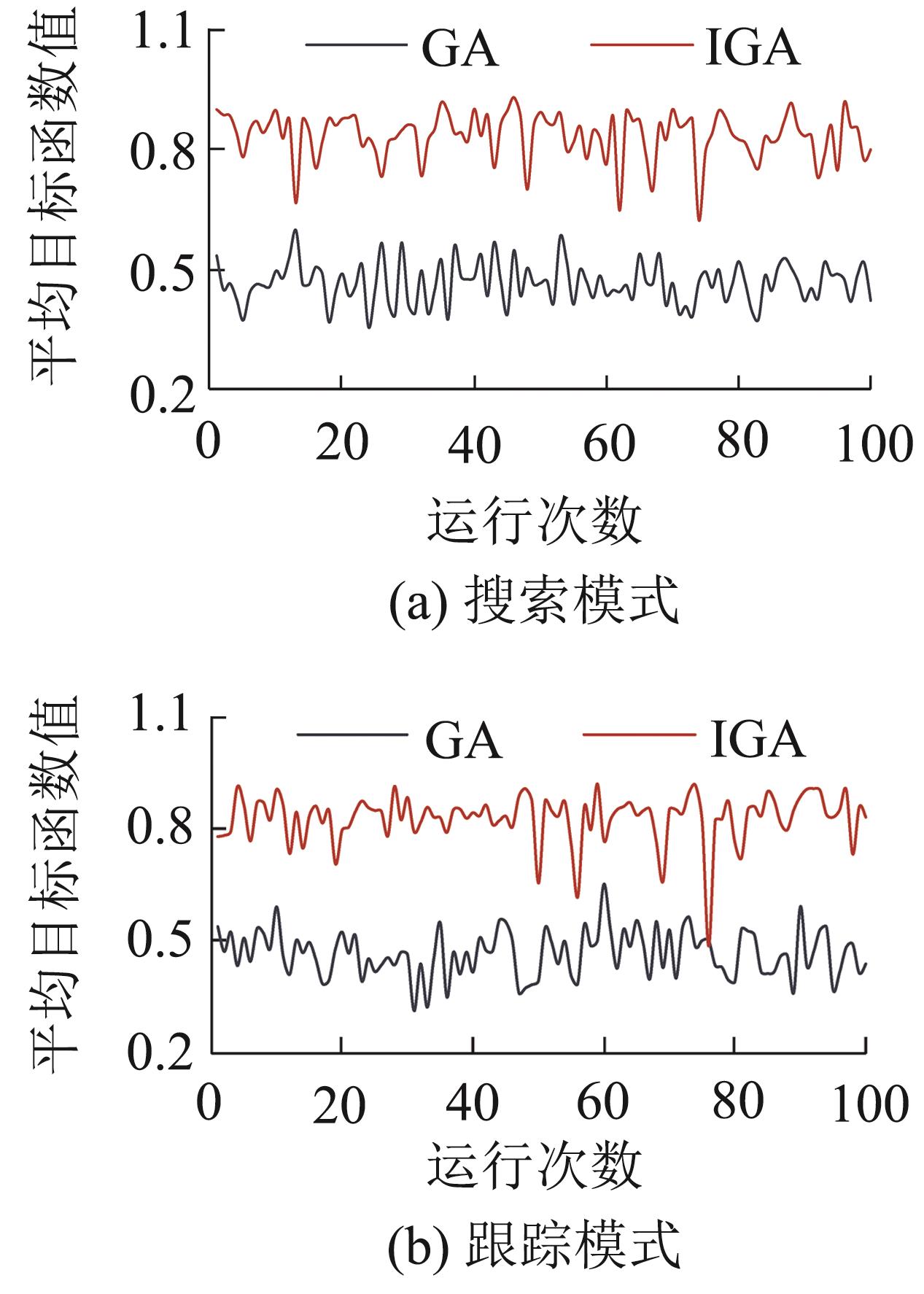
Fig. 7
Single run time(Scenario I)
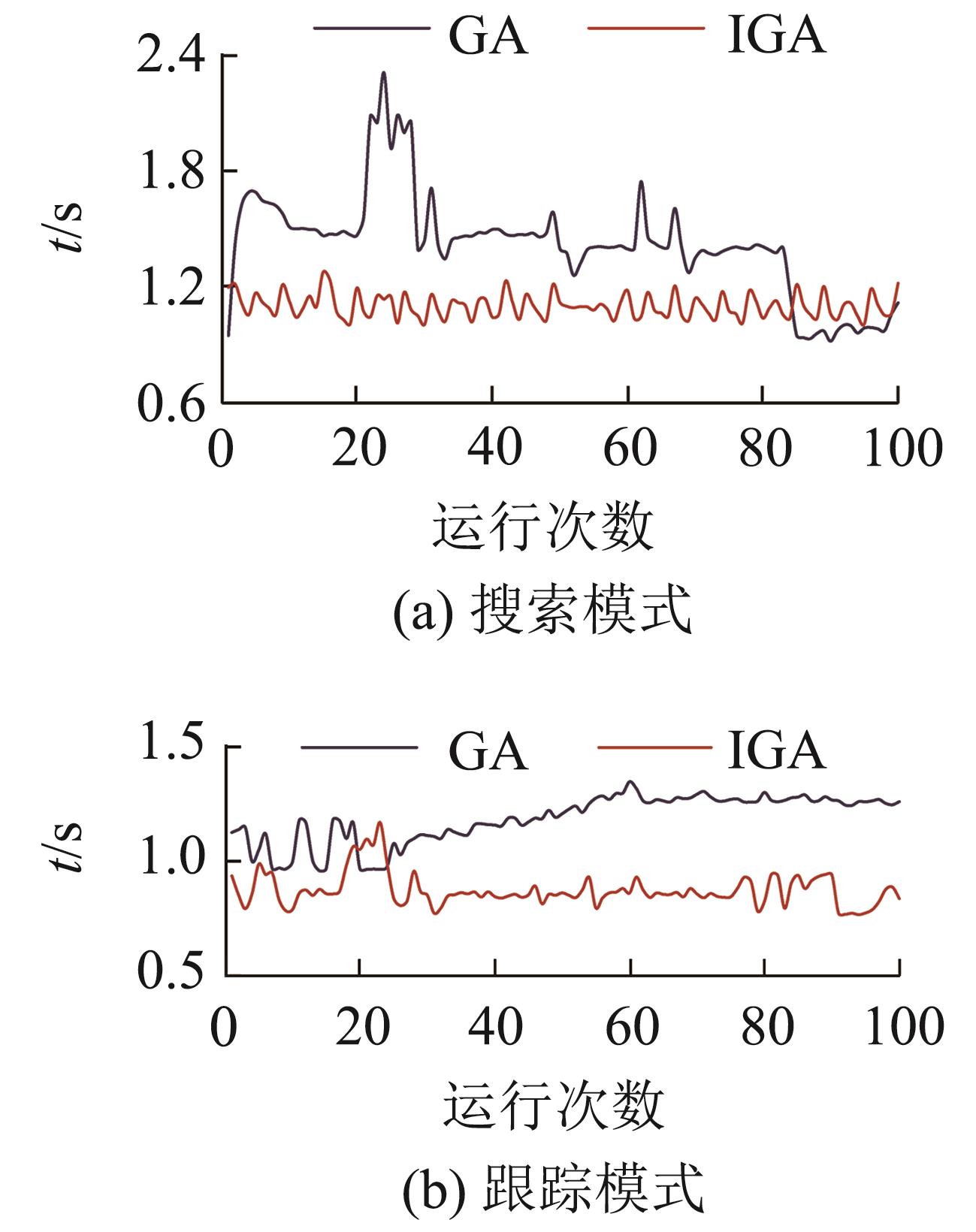
Table 5
Allocation strategy of interference resources in search mode(Scenario I)
| J1 | J2 | J3 | J4 |
|---|---|---|---|
| R1,R7 | R6,R8 | R3,R5 | R2,R4 |
Table 6
Allocation strategy of interference resources in tracking mode(Scenario I)
| J1 | J2 | J3 | J4 |
|---|---|---|---|
| R1,R7 | R5,R8 | R3,R6 | R2,R4 |
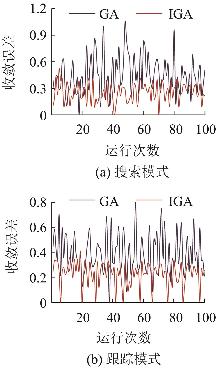
Fig. 8
Comparison of errors between two algorithms(Scenario I)
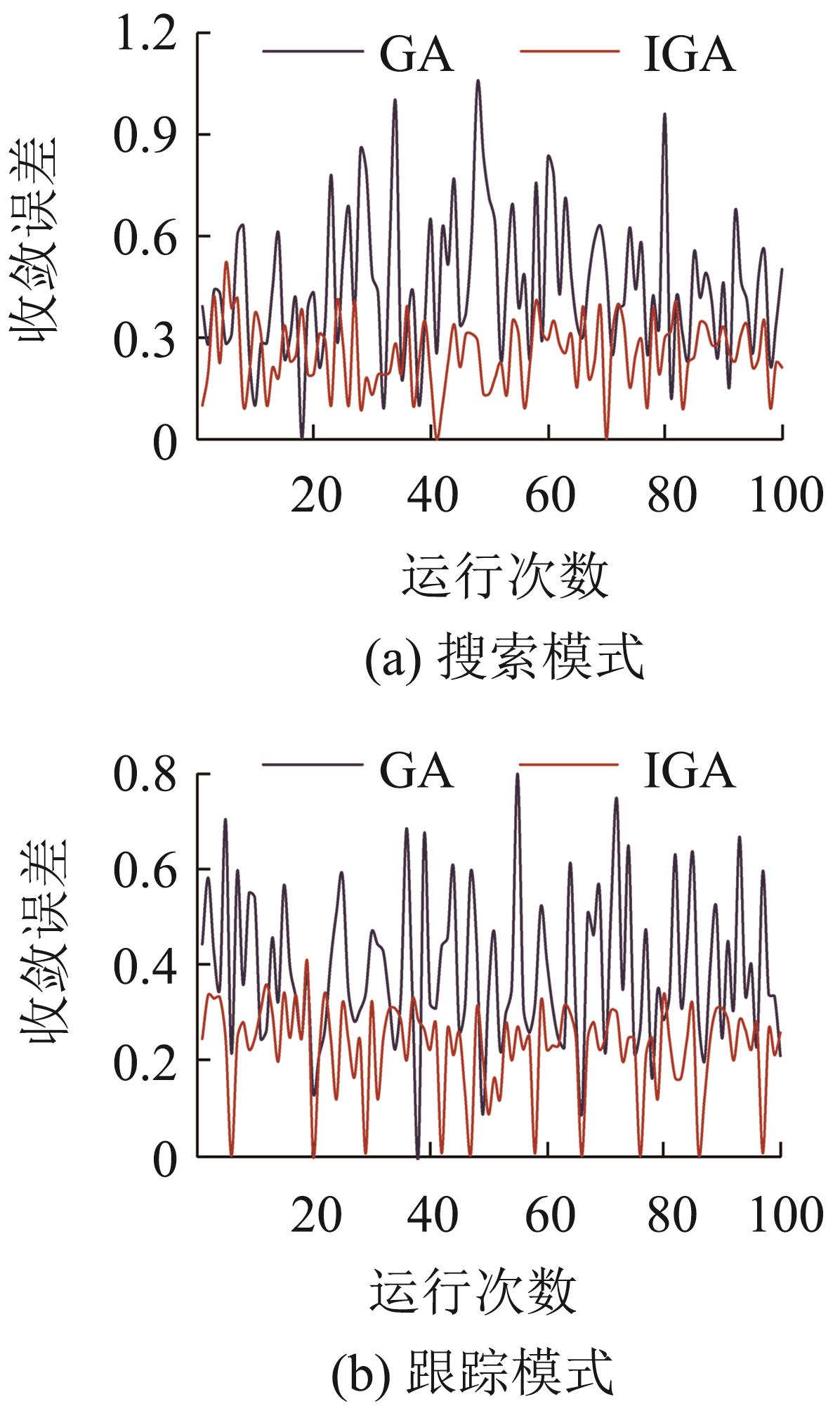
Table 7
Five radar threat levels
| 模式 | R1 | R2 | R3 | R4 | R5 |
|---|---|---|---|---|---|
| 搜索 | 0.27 | 0.48 | 0.68 | 0.44 | 0.73 |
| 跟踪 | 0.16 | 0.61 | 0.48 | 0.66 | 0.56 |
Table 8
Interference effectiveness matrixof five jammers against five radars
| J1 | J2 | J3 | J4 | J5 | |
|---|---|---|---|---|---|
| R1 | 0.7 | 0.8 | 0.8 | 0.6 | 0.8 |
| R2 | 0.6 | 0.6 | 0.3 | 0.9 | 0.7 |
| R3 | 0.5 | 0.9 | 0.1 | 0.7 | 0.8 |
| R4 | 0.7 | 0.4 | 0.7 | 0.6 | 0.8 |
| R5 | 0.5 | 0.8 | 0.4 | 0.8 | 0.6 |
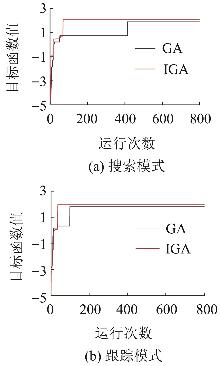
Fig. 9
Objective function values of single iteration of algorithm(Scenario II)
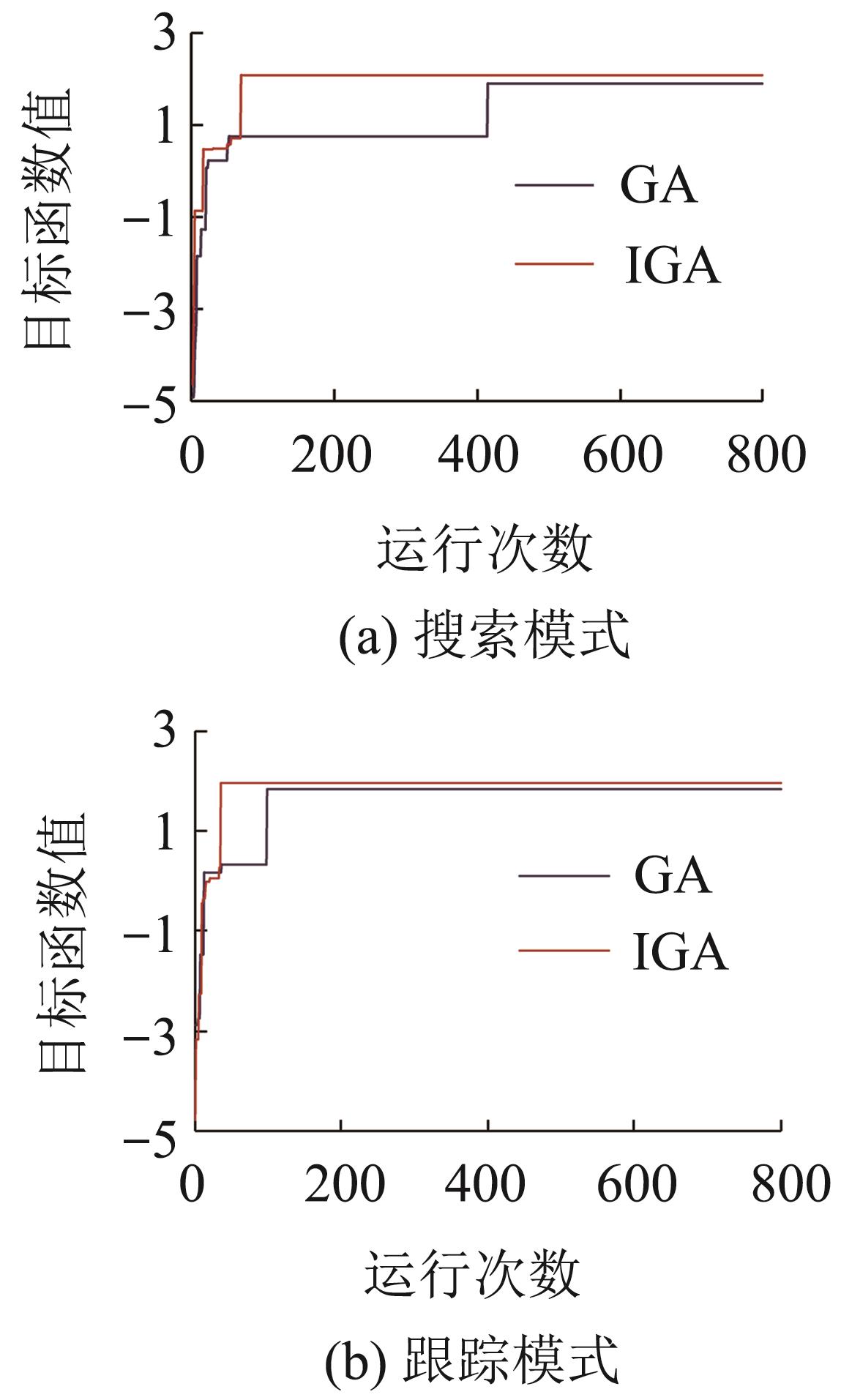
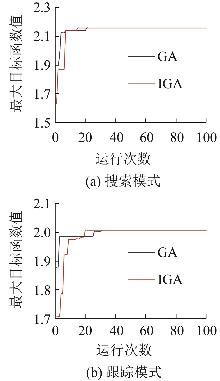
Fig. 10
Maximum objective function value of 100 iterations of algorithm(Scenario II)
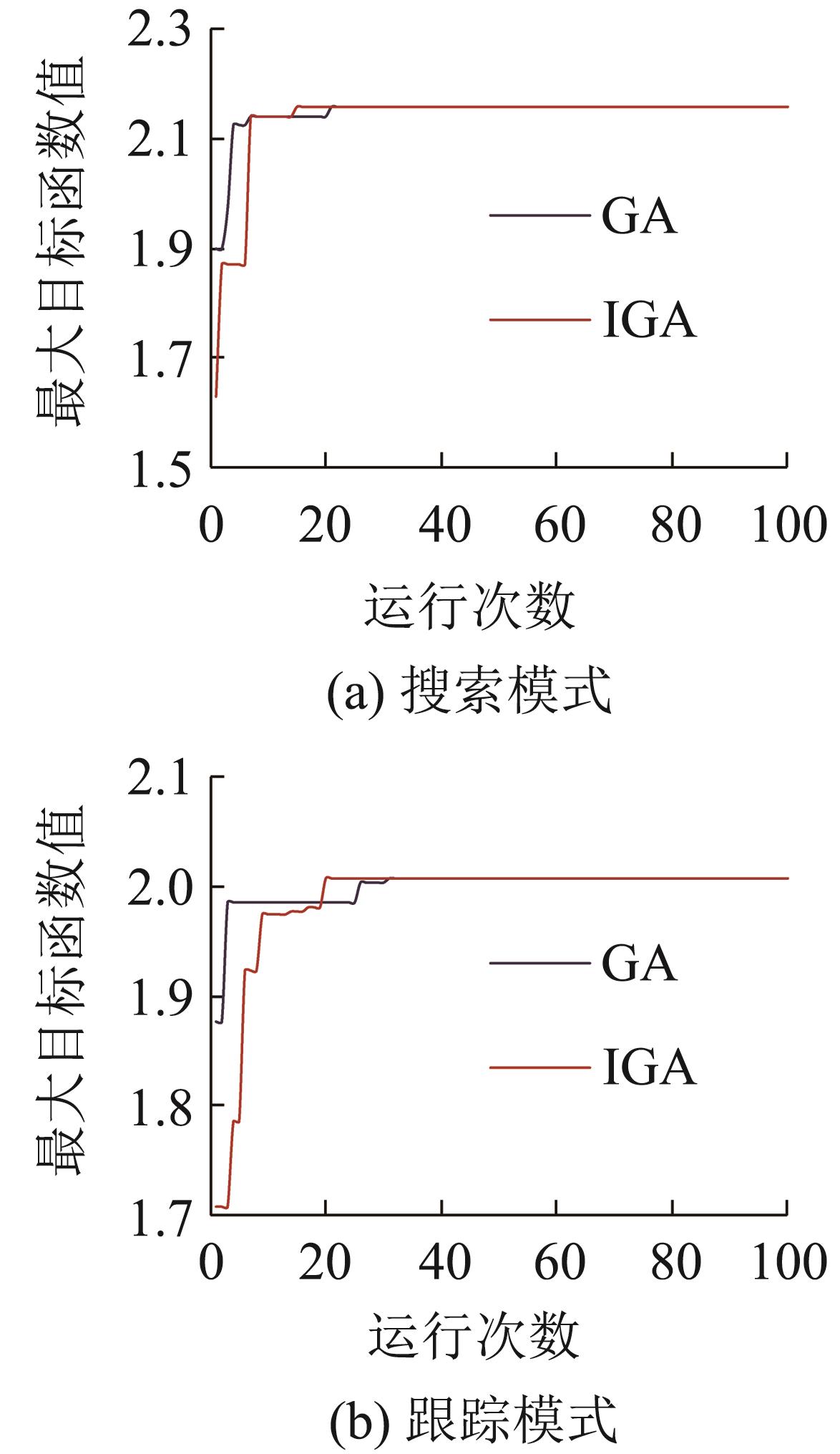
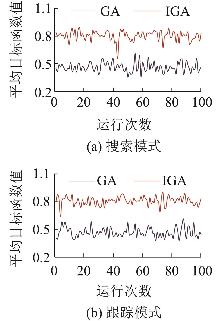
Fig. 11
Average objective function values of 100 iterations of algorithm(Scenario II)
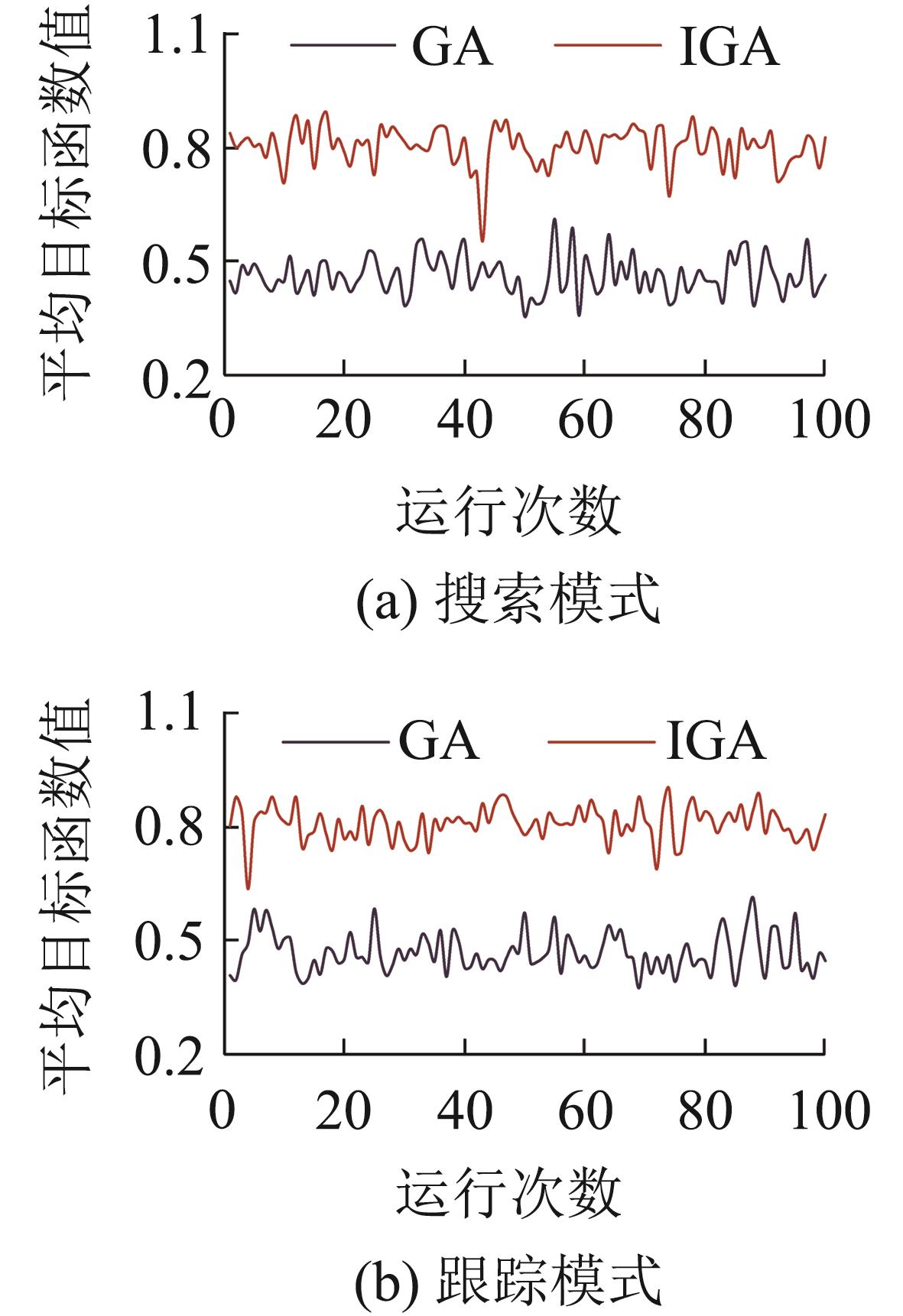
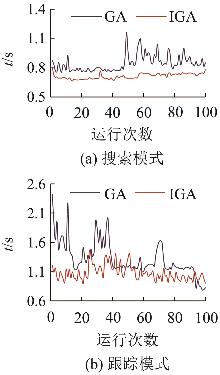
Fig. 12
Single run time of algorithm(Scenario II)
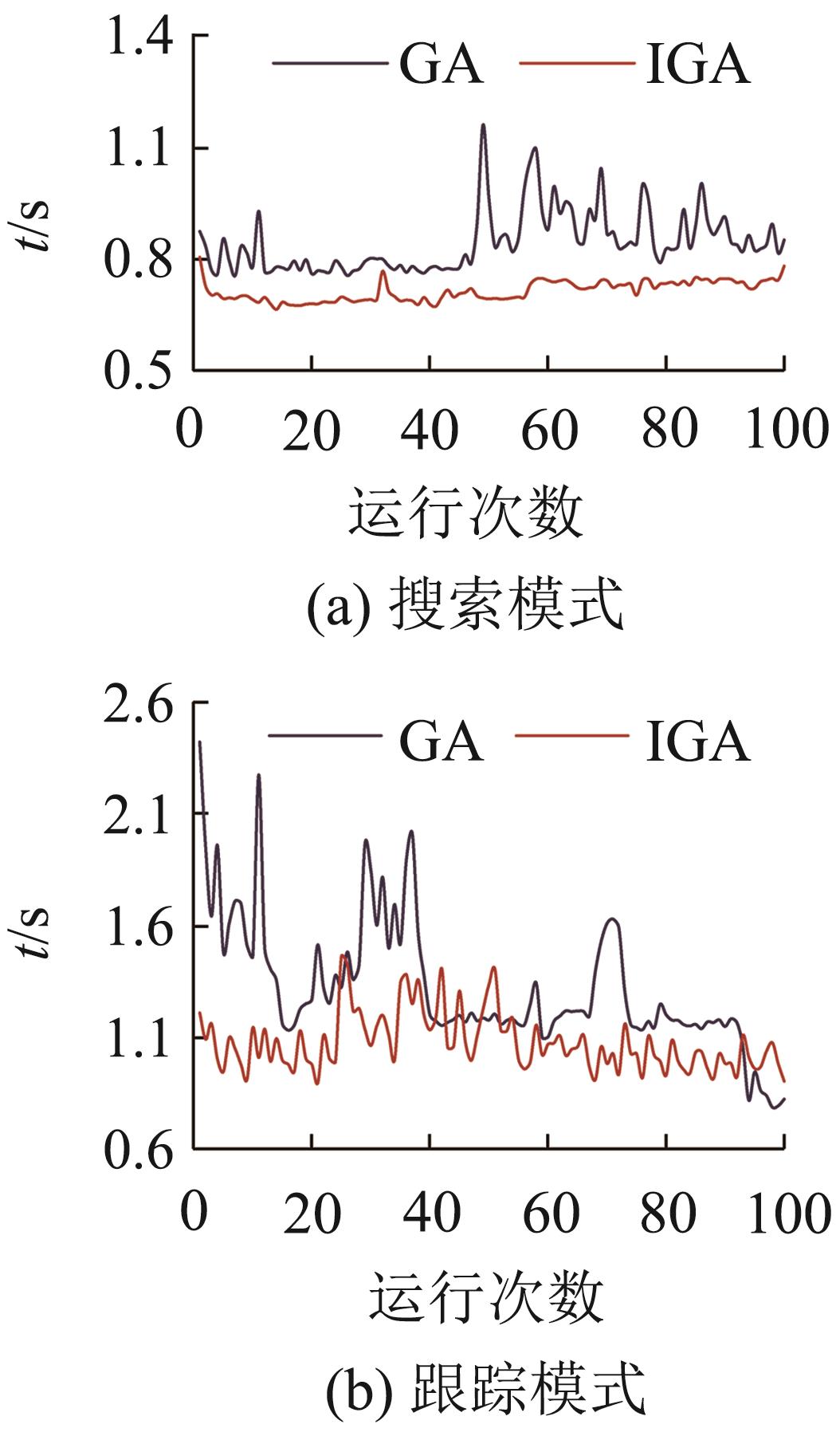
Table 9
Optimal allocation of interference resources in search mode(Scenario II)
| J1 | J2 | J3 | J4 | J5 |
|---|---|---|---|---|
| R4 | R3 | R1 | R5 | R2 |
Table 10
Optimal allocation of interference resource in tracking mode(Scenario II)
| J1 | J2 | J3 | J4 | J5 |
|---|---|---|---|---|
| R1 | R3 | R4 | R5 | R2 |
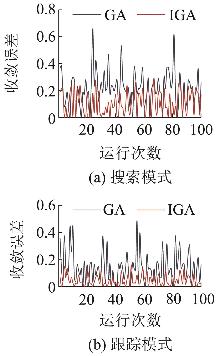
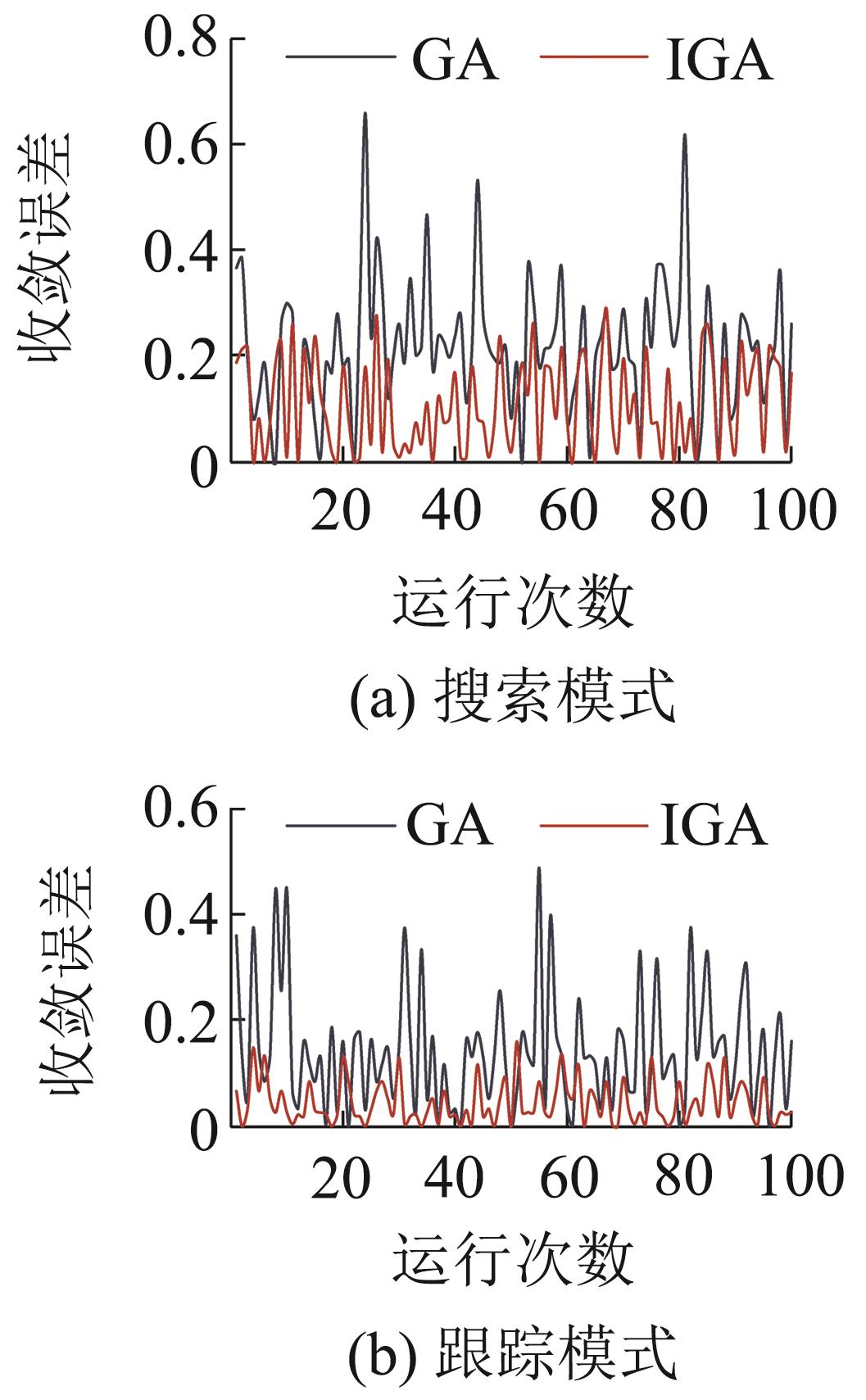
Fig. 13
Comparison of errors between two algorithms(Scenario II)
| [1] | Zhao Shanshan, Zhang Linrang, Zhou Yu, et al. Discrimination of Active False Targets in Multistatic Radar Using Spatial Scattering Properties[J]. IET Radar, Sonar & Navigation, 2016, 10(5): 817-826. |
| [2] | Wang Chenggang, Wang Zengfu, Xu Xiong, et al. A Balanced Sensor Scheduling for Multitarget Localization in a Distributed Multiple-input Multiple-output Radar Network[J]. International Journal of Distributed Sensor Networks, 2021, 2021(7): 1-13. |
| [3] | Yan Junkun, Dai Jinhui, Pu Wenqiang, et al. Target Capacity Based Resource Optimization for Multiple Target Tracking in Radar Network[J]. IEEE Transactions on Signal Processing, 2021, 69: 2410-2421. |
| [4] | Liu Fang, Wang Yanwei, Chen Jiabei, et al. Research on Jamming Resource Allocation Technology Based on Improved GAPSO Algorithm[J]. Journal of Physics: Conference Series, 2021, 1738(1): 012075. |
| [5] | 沈阳, 陈永光, 李修和. 基于0-1规划的雷达干扰资源优化分配研究[J]. 兵工学报, 2007, 28(5): 528-532. |
| Shen Yang, Chen Yongguang, Li Xiuhe. Research on Optimal Distribution of Radar Jamming Resource Based on Zero-one Programming[J]. Acta Armamentarii, 2007, 28(5): 528-532. | |
| [6] | 吕永胜, 王树宗, 王向伟, 等. 基于贴近度的雷达干扰资源分配策略研究[J]. 系统工程与电子技术, 2005, 27(11): 1893-1894, 1974. |
| Yongsheng Lü, Wang Shuzong, Wang Xiangwei, et al. Study on the Allocation Tactics for Radar Jamming Resources Based on Close Degree[J]. Systems Engineering and Electronics, 2005, 27(11): 1893-1894, 1974. | |
| [7] | 任松, 司长哲, 雷军. 雷达干扰机分配的模糊多属性动态规划模型[J]. 系统工程与电子技术, 2008, 30(10): 1909-1913. |
| Ren Song, Si Changzhe, Lei Jun. Fuzzy Multi-attribute Dynamic Programming Model for Radar's Disturbing Machine Allocation[J]. Systems Engineering and Electronics, 2008, 30(10): 1909-1913. | |
| [8] | Yao Zekun, Tang Chuanbin, Wang Chao, et al. Cooperative Jamming Resource Allocation Model and Algorithm for Netted Radar[J]. Electronics Letters, 2022, 58(22): 834-836. |
| [9] | Wu Zhaodong, Hu Shengliang, Luo Yasong, et al. Optimal Distributed Cooperative Jamming Resource Allocation for Multi-missile Threat Scenario[J]. IET Radar, Sonar & Navigation, 2022, 16(1): 113-128. |
| [10] | Xing Huaixi, Wu Hua, Chen You, et al. A Cooperative Interference Resource Allocation Method Based on Improved Firefly Algorithm[J]. Defence Technology, 2021, 17(4): 1352-1360. |
| [11] | 高彬, 吕善伟, 郭庆丰, 等. 遗传算法在电子战干扰规划中的应用[J]. 北京航空航天大学学报, 2006, 32(8): 933-936. |
| Gao Bin, Shanwei Lü, Guo Qingfeng, et al. Genetic Algorithm Approach to the Jammer's Layout for EW[J]. Journal of Beijing University of Aeronautics and Astronautics, 2006, 32(8): 933-936. | |
| [12] | 张养瑞, 李云杰, 高梅国. 协同干扰资源优化分配模型及算法[J]. 系统工程与电子技术, 2014, 36(9): 1744-1749. |
| Zhang Yangrui, Li Yunjie, Gao Meiguo. Optimal Assignment Model and Solution of Cooperative Jamming Resources[J]. Systems Engineering and Electronics, 2014, 36(9): 1744-1749. | |
| [13] | 陈思南. 多机协同对抗雷达组网的干扰资源分配研究[J]. 现代雷达, 2024, 46(9): 98-102. |
| Chen Sinan. A Study on Resource Allocation in Multi-aircraft Cooperative Jamming for Netted Radar[J]. Modern Radar, 2024, 46(9): 98-102. | |
| [14] | Zhao Jiali, Wang Qing, Wang Yazhou, et al. Multi-objective Optimization of Non-circular Gear Through Orthogonal Array and Fuzzy Comprehensive Evaluation Method in WEDM[J]. Arabian Journal for Science and Engineering, 2023, 48(9): 11973-11988. |
| [15] | 纪慧颖, 潘明海, 张元时, 等. 基于遗传-蚁群融合算法的干扰资源分配方法[J]. 系统工程与电子技术, 2023, 45(7): 2098-2107. |
| Ji Huiying, Pan Minghai, Zhang Yuanshi, et al. Method of Jamming Resource Distribution Based on Genetic-ant Colony Fusion Algorithm[J]. Systems Engineering and Electronics, 2023, 45(7): 2098-2107. | |
| [16] | Briheche Yann, Barbaresco Frédéric. Impact of Grid Quantification in Radar Search Pattern Optimization[C]//2019 International Radar Conference (RADAR). Piscataway: IEEE, 2019: 1-6. |
| [17] | Pozdnyakov A A, Vorona S G, Smirnov E E, et al. A Model for Tracking Process of the Integrated Radar Systems under Working Conditions with Maneuvering Targets[J]. Journal of Physics: Conference Series, 2020, 1499(1): 012027. |
| [18] | 王宁, 冯海兵, 李丹阳, 等. 基于噪声卷积调制的SAR多区域灵巧干扰方法[J]. 现代防御技术, 2024, 52(4): 117-122. |
| Wang Ning, Feng Haibing, Li Danyang, et al. Smart Jamming Method for SAR Multiple Areas Based on Noise Convolutional Modulation[J]. Modern Defence Technology, 2024, 52(4): 117-122. | |
| [19] | 李艳慧. 雷达威胁等级评估与预测技术研究[D]. 西安: 西安电子科技大学, 2023. |
| Li Yanhui. Research on Radar Threat Level Assessment and Prediction Technology[D]. Xi'an: Xidian University, 2023. | |
| [20] | 胡浩, 冯辅周, 朱俊臻, 等. 基于熵权-主客观赋权法的装备保障单元效能评估研究[J]. 现代防御技术, 2025, 53(1): 173-181. |
| Hu Hao, Feng Fuzhou, Zhu Junzhen, et al. Research on Equipment Support Unit Effectiveness Evaluation Based on Entropy Weighting-subjective and Objective Weighting Method[J]. Modern Defence Technology, 2025, 53(1): 173-181. | |
| [21] | Man K F, Tang K S, Kwong S. Genetic Algorithms: Concepts and Applications[J]. IEEE Transactions on Industrial Electronics, 1996, 43(5): 519-534. |
| [22] | 施端阳, 林强, 胡冰, 等. 遗传算法优化神经网络的雷达杂波抑制方法[J]. 现代防御技术, 2021, 49(6): 74-83. |
| Shi Duanyang, Lin Qiang, Hu Bing, et al. Radar Clutter Suppression Method Based on Neural Network Optimized by Genetic Algorithm[J]. Modern Defence Technology, 2021, 49(6): 74-83. |
| [1] | Yu Yiran, Lai Huicheng, Gao Guxue, Zhang Guo, Peng Wangyinan, Yang Longfei, Huang Junhao. Optimization Method for Multi Agricultural Machinery Collaborative Operation Based on Genetic Algorithm and A * Algorithm [J]. Journal of System Simulation, 2025, 37(9): 2397-2408. |
| [2] | Gong Feng, Jiang Tao, Zhang Qin, Liu Yu. Simulation and Optimization of Support Processes for Aircraft Fleet Launch Under Limited Resources [J]. Journal of System Simulation, 2025, 37(8): 1965-1977. |
| [3] | Chen Juan, Zheng Wang, Liu Qianqian, Lu Bin. Automatic Multi-objective Optimization Based on Dynamic Storage Location Allocation Strategy [J]. Journal of System Simulation, 2025, 37(6): 1435-1448. |
| [4] | Wu Zisong, Chang Daofang, Gai Yuchun. Optimization of Cargo Location Allocation in Four-way Shuttle Warehousing System Based on Two-stage Hybrid Algorithm [J]. Journal of System Simulation, 2025, 37(5): 1234-1245. |
| [5] | Huang Shijie, Zhang Zhensheng, Cai Jing, Zhang Rui. Research on Modeling, Optimization and Application of Aeroengine Oil System [J]. Journal of System Simulation, 2025, 37(5): 1266-1279. |
| [6] | Shi Xiaodong, Guo Yongcheng, Ma Mingqi, Pan Jiarui. Optimization of Vehicle Routing for Cross-infection Risk in the Epidemic [J]. Journal of System Simulation, 2025, 37(4): 910-921. |
| [7] | Xu Qiang, Xu Jianlei, Hu Yanhai, Chen Haihui, Zhang Xing, Xing Zhaohui. Trajectory Optimization of Robotic Arm Based on Improved Simulated Annealing Genetic Algorithm [J]. Journal of System Simulation, 2025, 37(2): 404-412. |
| [8] | Ma Zhenpeng, Jiao Hanyang, Zhang Zhe, Liu Cheng, Jiang Bo, Wang Lin. Research on Vehicle Path Optimization Algorithms for Urban Logistics and Distribution [J]. Journal of System Simulation, 2025, 37(11): 2768-2777. |
| [9] | Ma Huawei, Yan Boying. Vehicle Routing Problem with Drones Considering Zoned Distribution of Epidemic Prevention Materials [J]. Journal of System Simulation, 2025, 37(1): 234-244. |
| [10] | Huang Qiushi, Wang Yanyang, Wu Changliang, Huang Junfu, Zhang Shenggen, Luo Haoxuan. Cooperative Control Method of Mixed Traffic at Signalized Intersection [J]. Journal of System Simulation, 2025, 37(1): 271-283. |
| [11] | Xiao Peng, Xie Feng, Ni Haihong, Zhang Min, Tang Zhili, Li Ni. Research on Collaborative Optimization Method of Multi-UAV Task Allocation and Path Planning [J]. Journal of System Simulation, 2024, 36(5): 1141-1151. |
| [12] | Tang Jinjun, Hu Lipeng, Li Mingyang, Zhang Xuan. Optimization of Highway Emergency Lane Control Based on Kriging Genetic Algorithm [J]. Journal of System Simulation, 2024, 36(5): 1165-1178. |
| [13] | Wan Yuanpeng, Liang Chengji, Wang Sihong, Wang Yu. Joint Distribution-Inventory Optimization and Simulation for Cold Chain Logistics Considering Order Substitution [J]. Journal of System Simulation, 2024, 36(3): 578-594. |
| [14] | Yan Shiliang, Wang Yinling, Lu Dandan, Pan Xiaoqin. Simulation and Optimization of Permanent Magnet Linear Machine Based on Deep Neural Network [J]. Journal of System Simulation, 2024, 36(3): 713-725. |
| [15] | Wei Xiang, Liu Xingxuan, Fu Dianzheng, Yang Tianji, Yang Jiaxuan. Platform Path Optimization Method Based on Cumulative Detection Probability of Sonar Search [J]. Journal of System Simulation, 2024, 36(11): 2674-2683. |
| Viewed | ||||||
|
Full text |
|
|||||
|
Abstract |
|
|||||
 http://www.china-simulation.com

