

Journal of System Simulation ›› 2026, Vol. 38 ›› Issue (2): 387-398.doi: 10.16182/j.issn1004731x.joss.24-1039
• Wargaming and Simulation-Based Evaluation • Previous Articles Next Articles
Liu Dayong1,2, Guo Qisheng1, Dong Zhiming1, Qiu Xuehuan1, Liu Zhuoli1
Received:2024-09-18
Revised:2025-02-15
Online:2026-02-18
Published:2026-02-11
Contact:
Dong Zhiming
CLC Number:
Liu Dayong, Guo Qisheng, Dong Zhiming, Qiu Xuehuan, Liu Zhuoli. Research on System and Application Framework of Tactical Wargaming Simulation Driven by AI4S[J]. Journal of System Simulation, 2026, 38(2): 387-398.
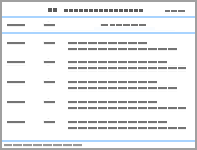
Table 1
Comparison of two forms of tactical wargaming simulation
| 视角 | AI4S赋能的博弈对抗仿真 | 传统战术仿真 |
|---|---|---|
| 对模型和系统开发人员要求 | 不高,主要是要求熟练掌握人工智能辅助建模、辅助实验的方法 | 较高,要熟练掌握相关建模与仿真的原理、技术、方法,要求会编写程序 |
| 建模时间成本 | 较低,随着建模方法和技术的提升,建模时间越来越短,效率越来越高 | 较高,从概念模型、数学模型到程序模型,都需要人员手动按部就班进行 |
| 仿真实验设计、准备、实施效率 | 较高 | 相对较低 |
| 仿真实验实施成本 | 根据需要,仿真加速比可以设置得非常高,因此时间成本低 | 受操控人员熟练程度和水平的限制,一般仿真倍速较低,因此时间成本高 |
| 对实验推演人员操作技能要求 | 很低,随着建模水平的提升,智能体可完成OODA所有环节 | 较高,整个OODA环中前3个环由人来完成 |
| 对人员的依赖 | 较低,智能体智能水平越高,人参与程度越低 | 较高,红蓝双方所有兵力需要人来控制 |
Fig. 1
Wargaming simulation system driven by AI4S

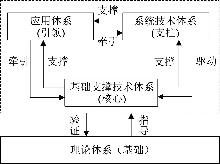
Fig. 2
Relationship between systems
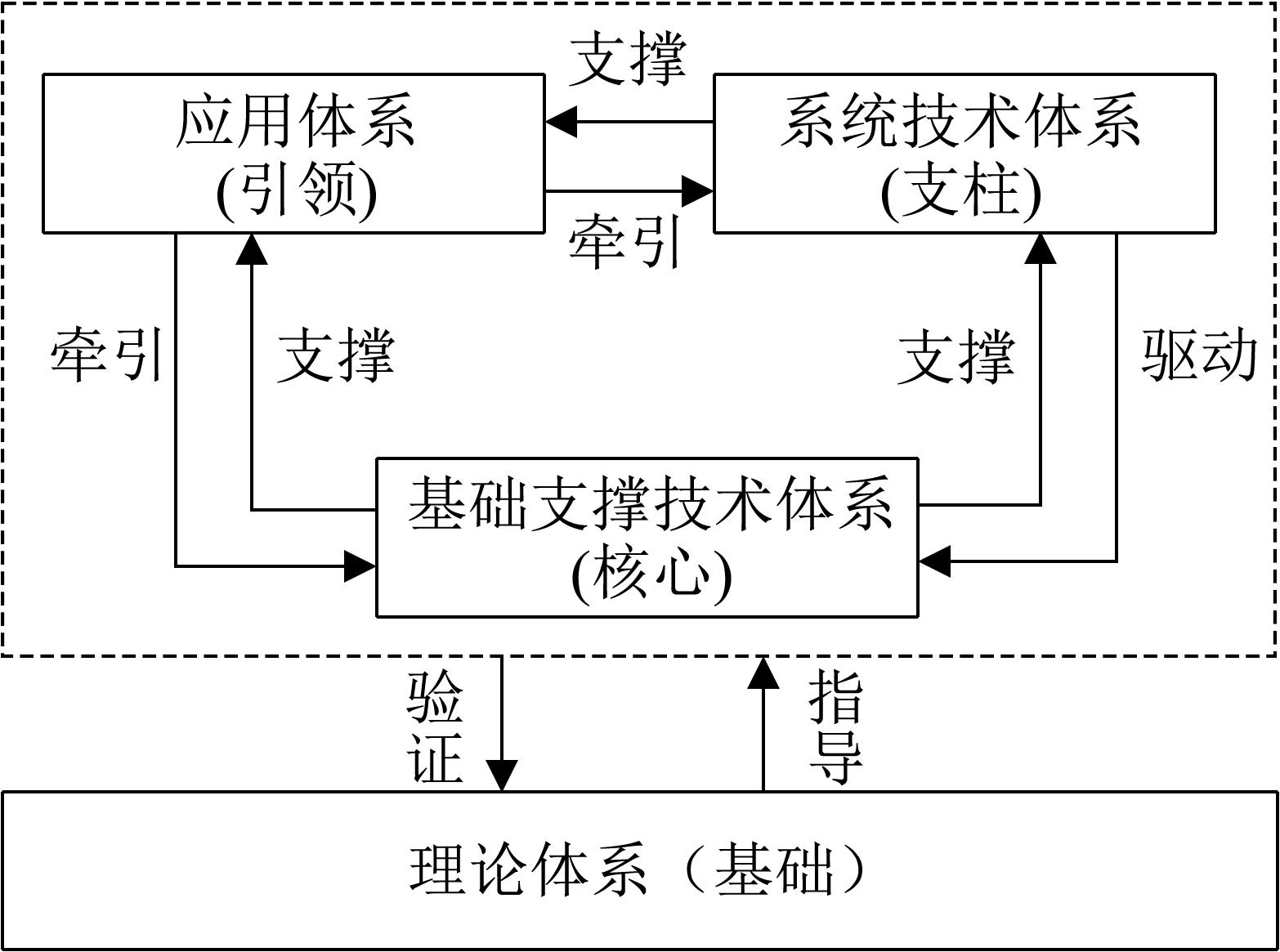
Fig. 3
Architecture of tactical wargaming simulation system driven by AI4S
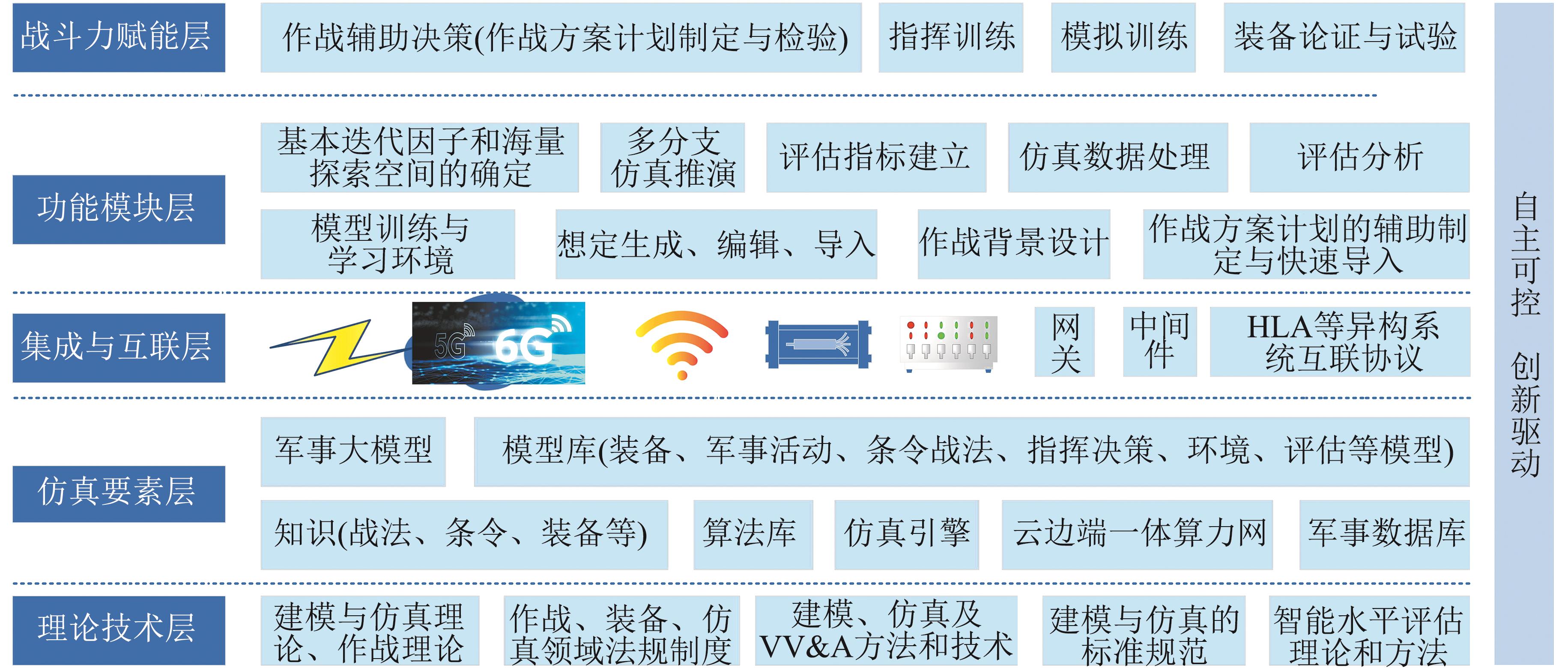
Fig. 4
Main application scope
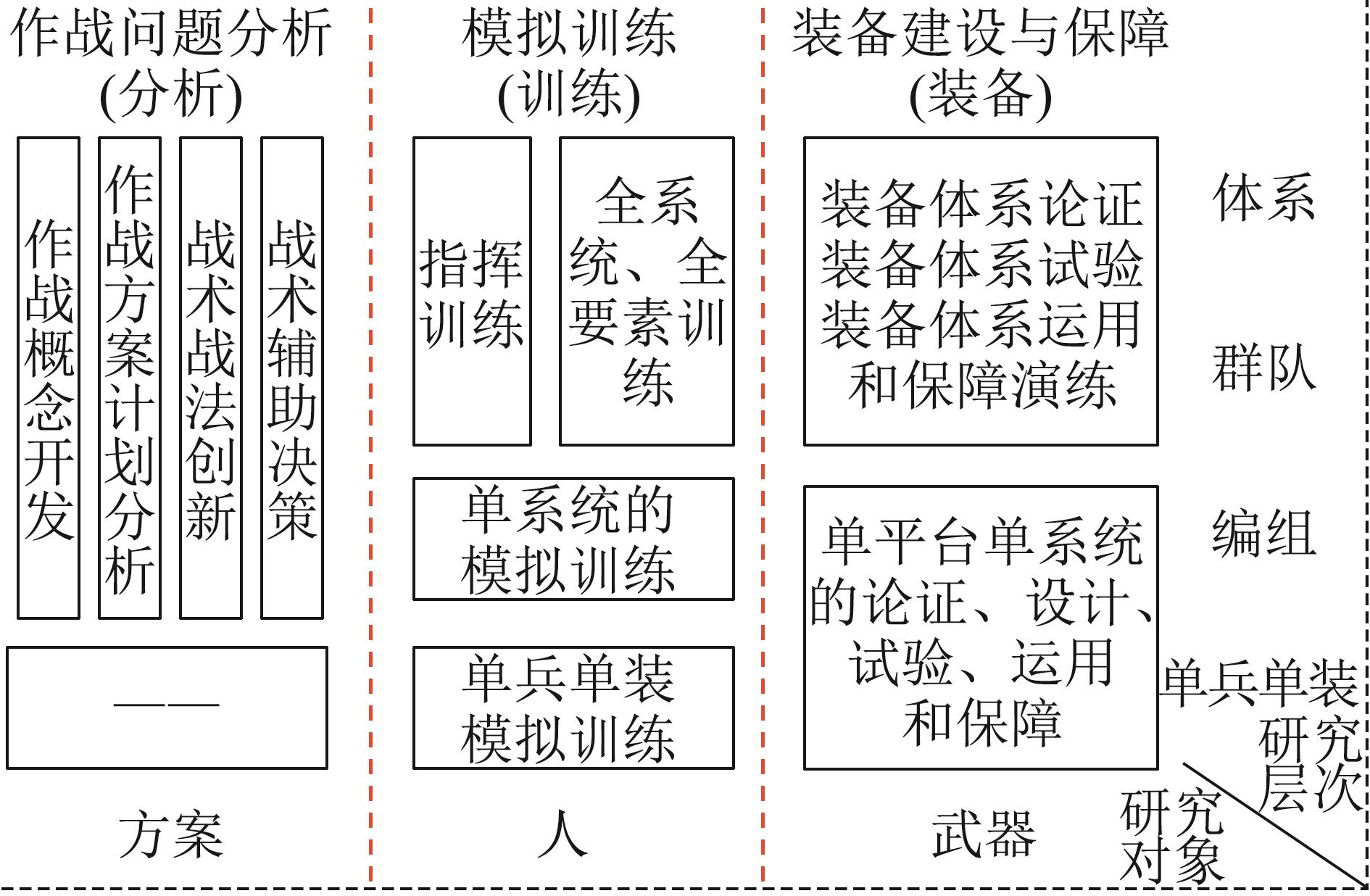
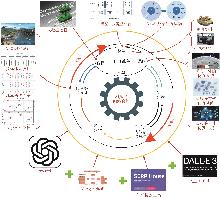
Fig. 5
Application framework of tactical wargaming simulation driven by AI4S

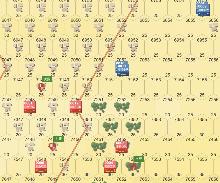
Fig. 6
Initial situation
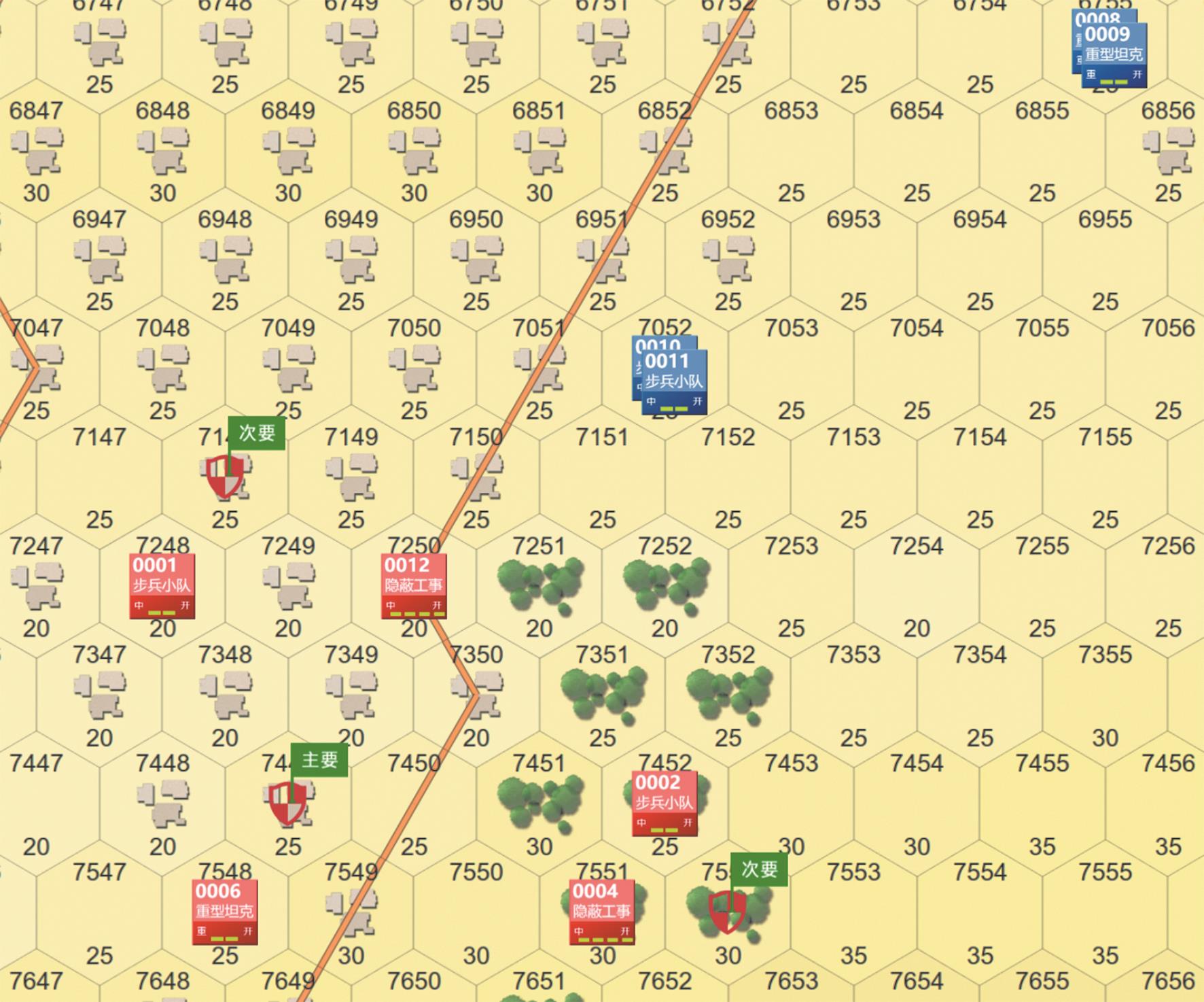
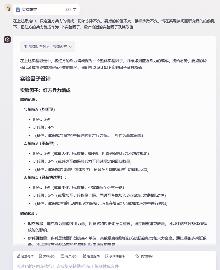
Fig. 7
Display of experimental factor design using large language model
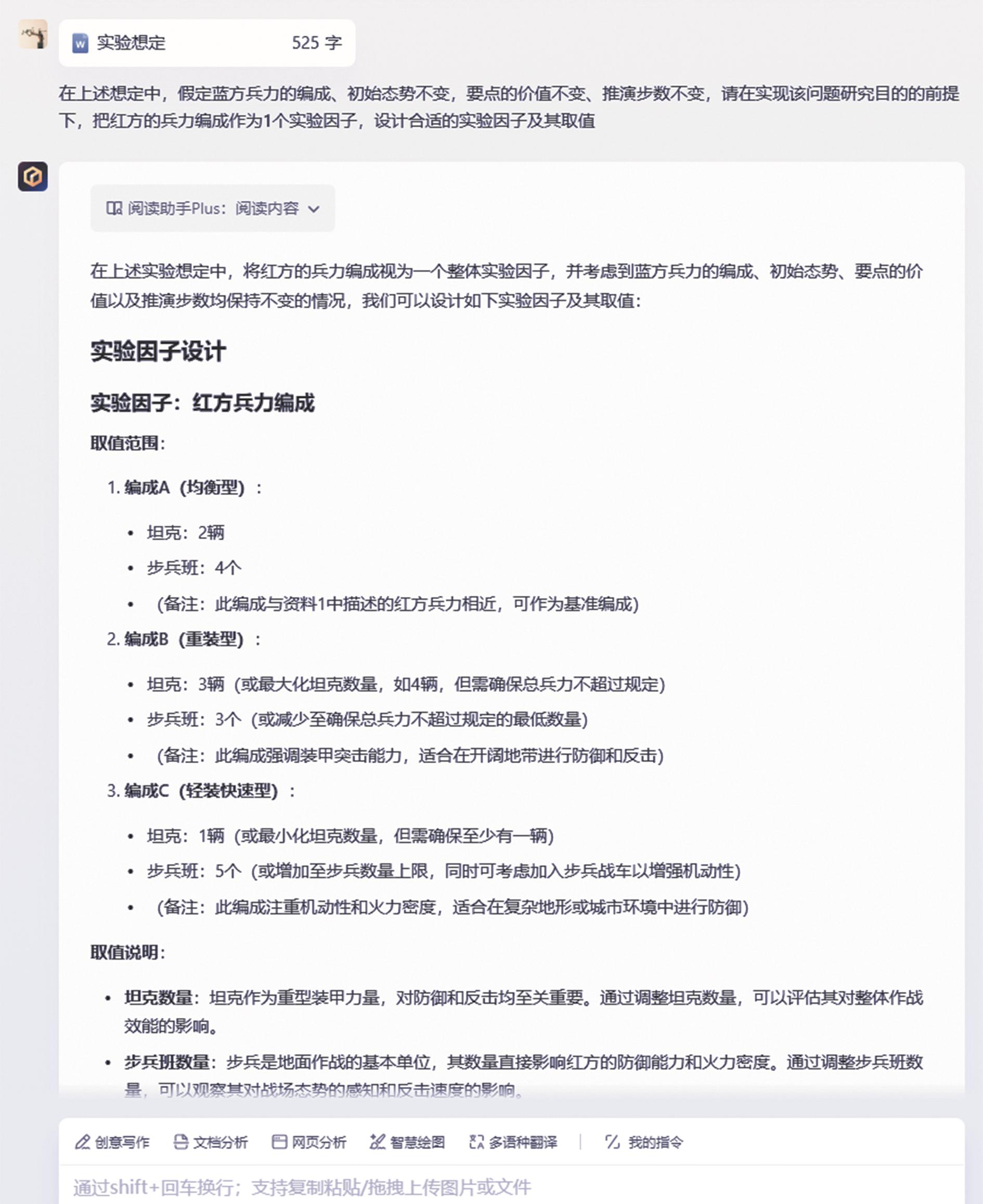
Table 2
Experimental factors and levels
| 序号 | 因子 | 符号 | 因子水平 |
|---|---|---|---|
| 1 | 红方兵力编成 | 编成 编成 编成 | |
| 2 | 红方兵力的配置 | 布局 布局 | |
| 3 | 红方火力分配策略 | 方案 方案 | |
| 4 | 蓝方夺控策略 | 策略 策略 策略 |
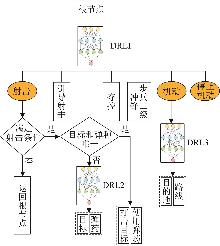
Fig. 8
Agent development approach based on BT + DRL
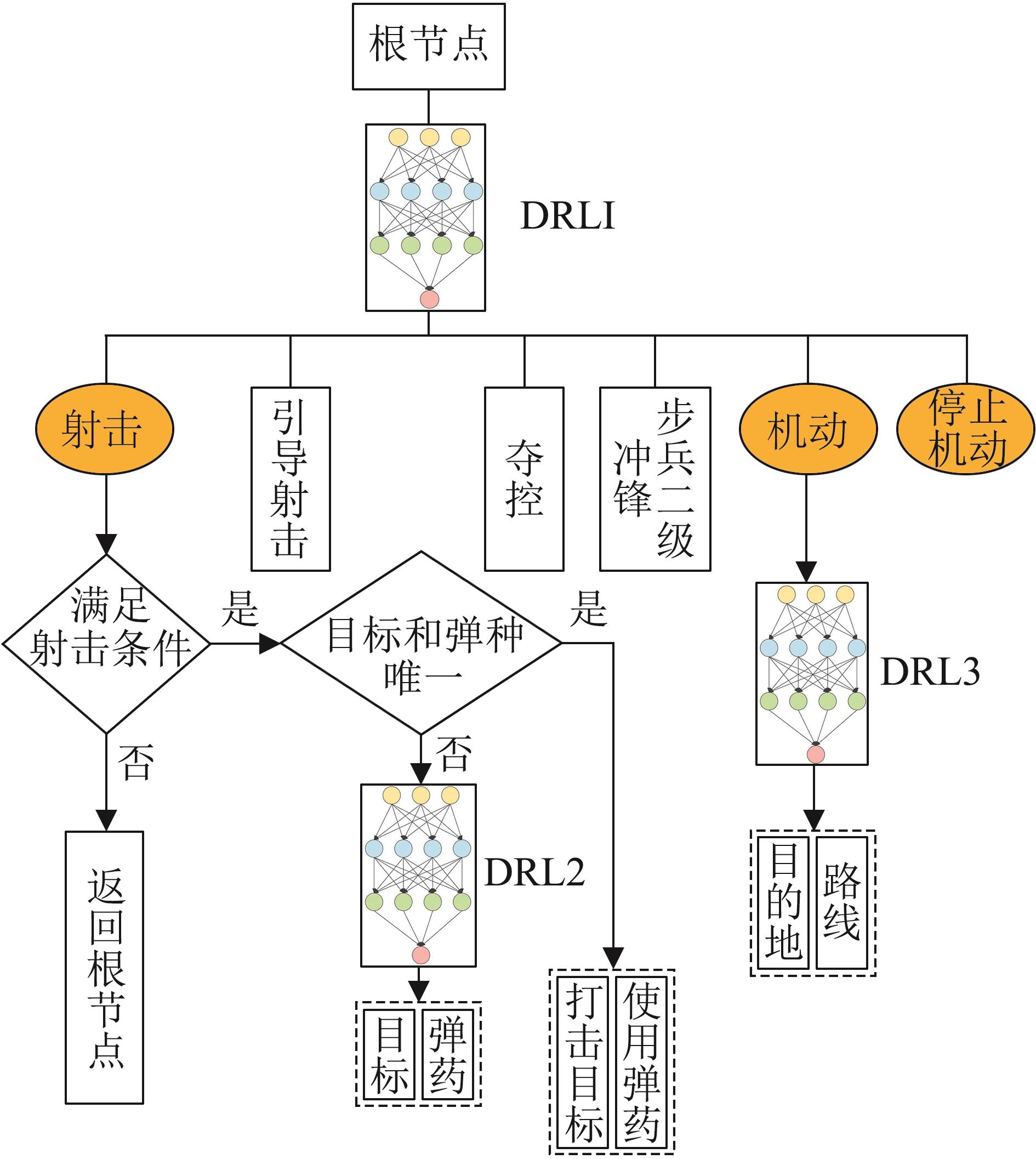
Fig. 9
Agent training process based on PPO algorithm in deep reinforcement learning
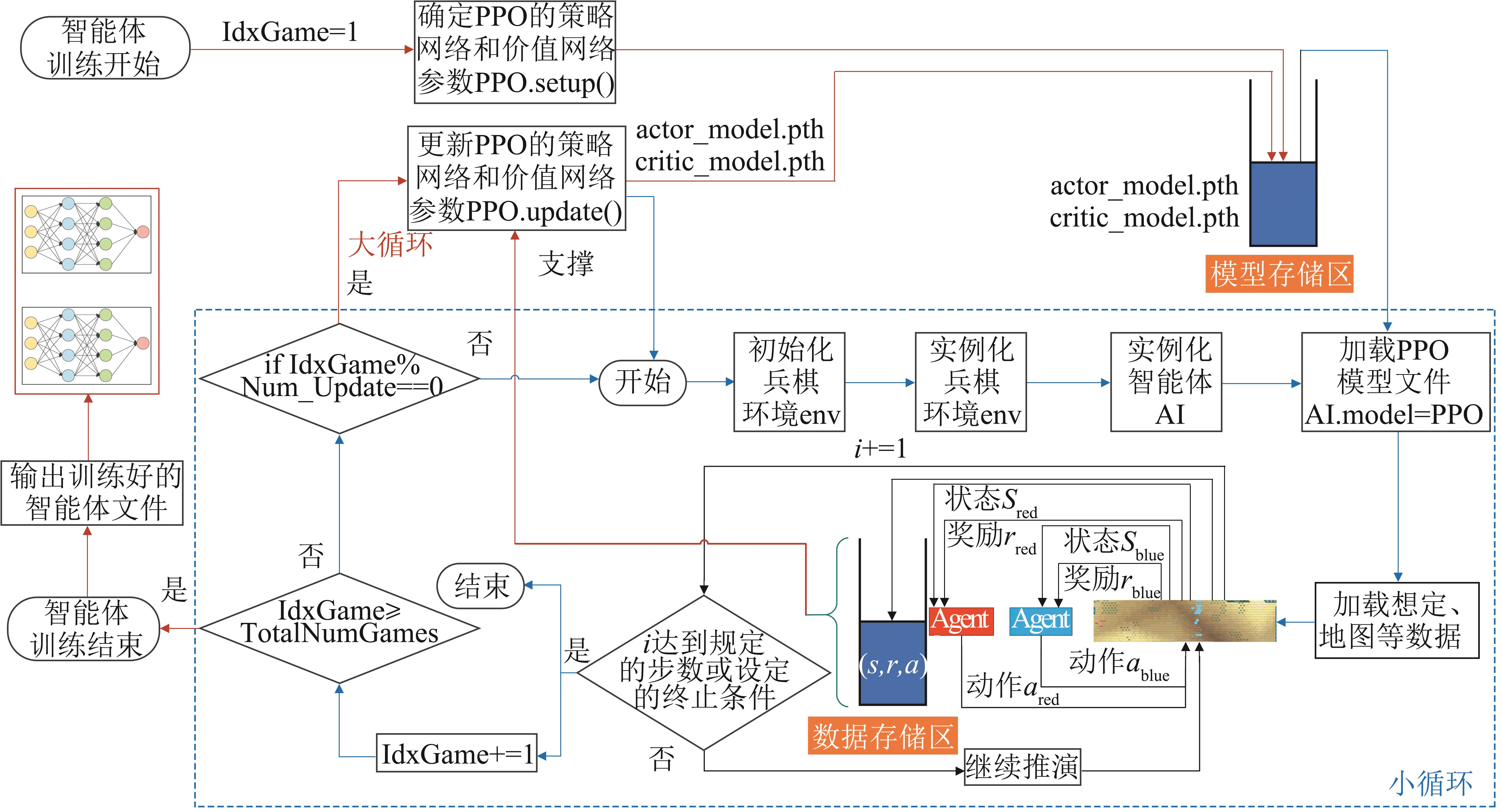
Table 3
Four experimental subjects (Blue's strategy SB)
| 科目 | 说明 | |||
|---|---|---|---|---|
| P1 | 坦克多,重点使用远程火力 | |||
| P2 | 步兵多,重点使用远程火力 | |||
| P3 | 坦克多,重点使用近程火力 | |||
| P4 | 步兵多,重点使用近程火力 |
Fig. 10
Comparison of different schemes
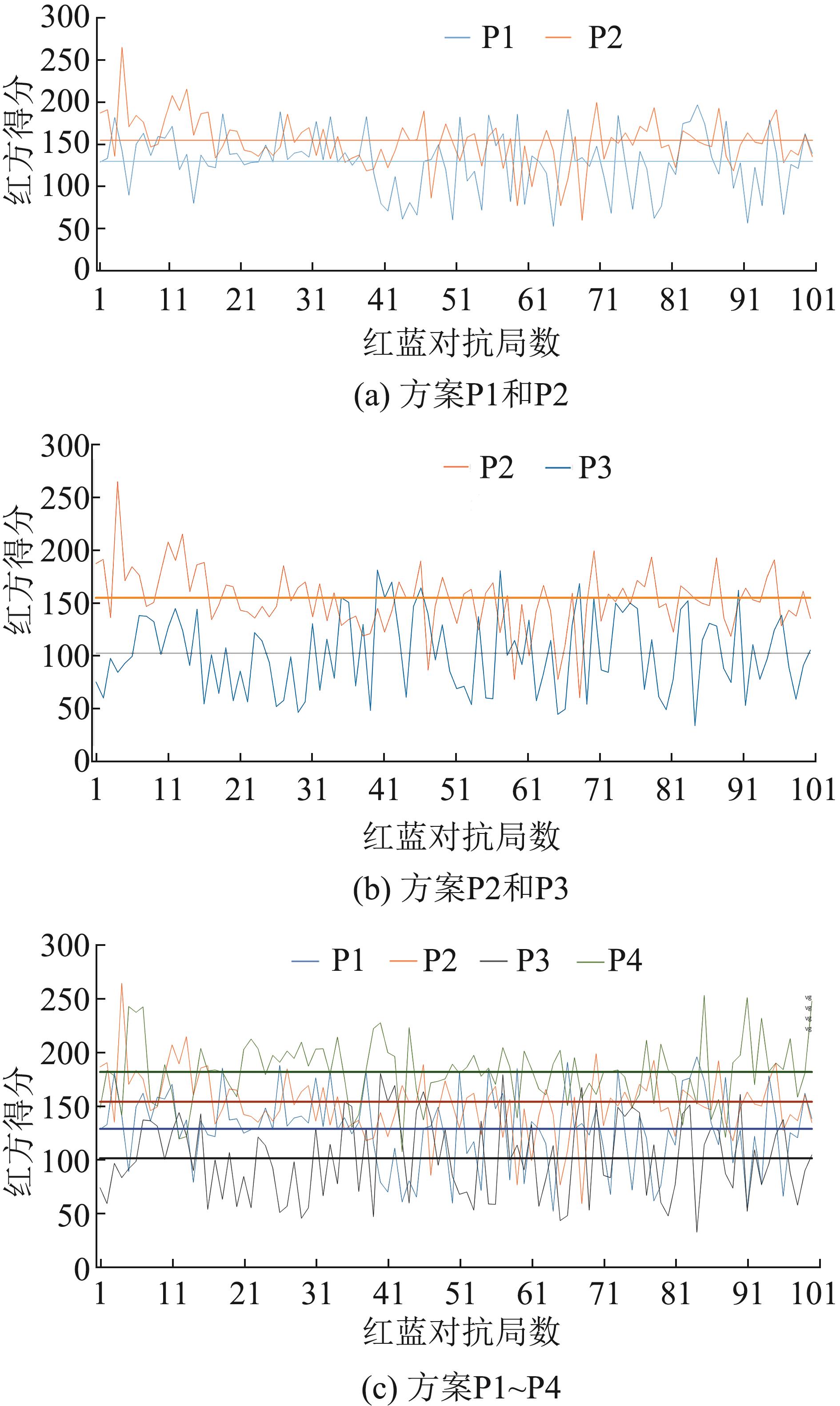
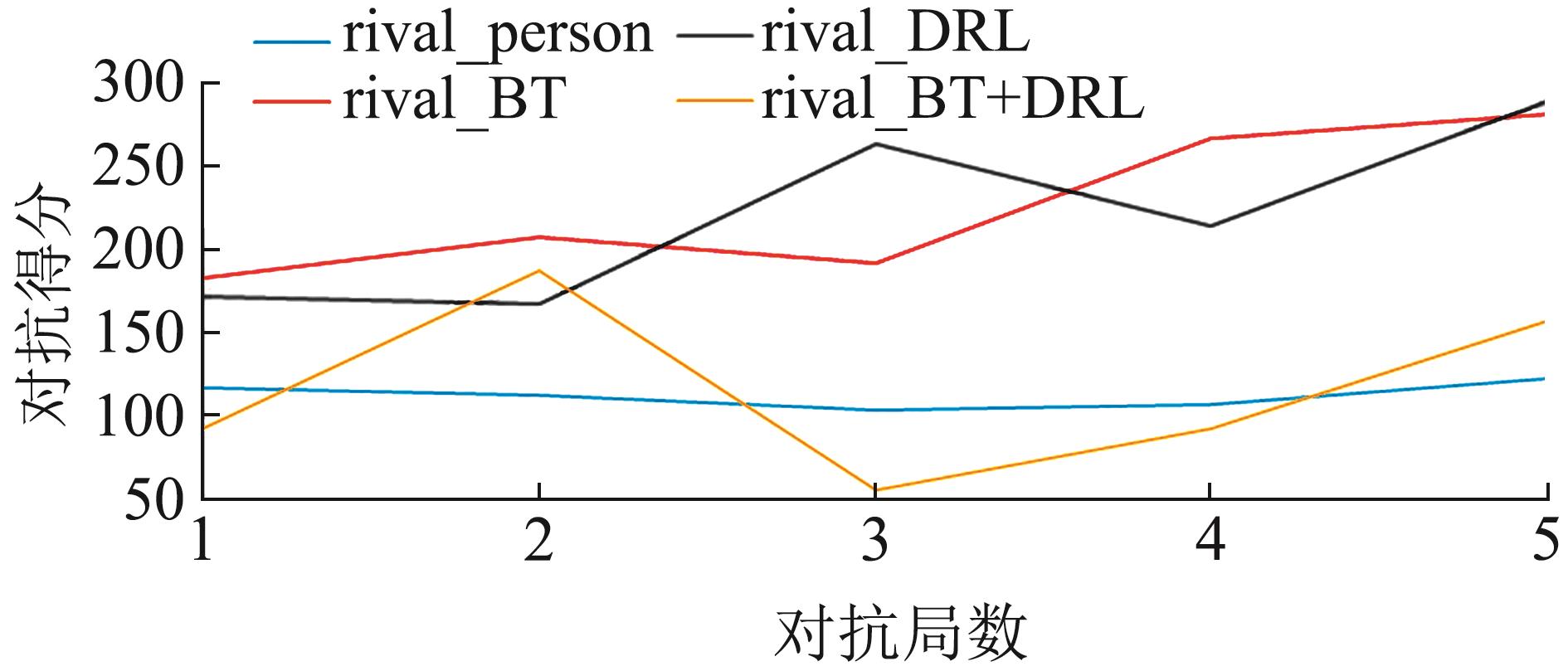
Fig. 11
Students' scores against different blue opponents
| [1] | 王飞跃, 缪青海. 人工智能驱动的科学研究新范式: 从AI4S到智能科学[J]. 中国科学院院刊, 2023, 38(4): 536-540. |
| [2] | 孙坦, 张智雄, 周力虹, 等. 人工智能驱动的第五科研范式(AI4S)变革与观察[J]. 农业图书情报学报, 2023, 35(10): 4-32. |
| Sun Tan, Zhang Zhixiong, Zhou Lihong, et al. The Transformation and Observations of AI for Science (AI4S) Driven by Artificial Intelligence[J]. Journal of Library and Information Science in Agriculture, 2023, 35(10): 4-32. | |
| [3] | Miao Qinghai, Huang Min, Yisheng Lü, et al. Parallel Learning Between Science for AI and AI for Science: A Brief Overview and Perspective[C]//2022 Australian & New Zealand Control Conference (ANZCC). Piscataway: IEEE, 2022: 171-175. |
| [4] | 陈怡. 可精准预测蛋白质结构的人工智能模型AlphaFold2开源: 《自然》曾称"它将改变一切!"[N]. 上海科技报, 2021-08-04(003). |
| [5] | 王飞跃, 缪青海, 张军平, 等. 探讨AI for Science的影响与意义:现状与展望[J]. 智能科学与技术学报, 2023, 5(1): 1-6. |
| Wang Feiyue, Miao Qinghai, Zhang Junping, et al. The DAOs to AI for Science by DeSci: The State of the Art and Perspective[J]. Chinese Journal of Intelligent Science and Technology, 2023, 5(1): 1-6. | |
| [6] | 徐忠富, 杨文, 熊杰. 美军联合红旗军演研究[J]. 指挥控制与仿真, 2014, 36(3): 137-142. |
| Xu Zhongfu, Yang Wen, Xiong Jie. Research on Joint Red Flag Exercises of the US Army[J]. Command Control & Simulation, 2014, 36(3): 137-142. | |
| [7] | 杜国红. 美军作战概念开发特点及启示[J]. 国防科技, 2020, 41(4): 52-57. |
| Du Guohong. The Characteristics of the Development of US Army Operational Concept and Its Implications[J]. National Defense Technology, 2020, 41(4): 52-57. | |
| [8] | 章乐贵, 陈希亮, 曹雷, 等. 智能蓝军作战行为模型构建技术研究[J]. 国防科技, 2022, 43(1): 14-20. |
| Zhang Legui, Chen Xiliang, Cao Lei, et al. Model for the Operational Behavior of the Intelligent Blue Army of China[J]. National Defense Technology, 2022, 43(1): 14-20. |
| [1] | Dong Zhiming, Hu Zhongqi, Dai Haoran, Gao Jiancheng. An Automated Generation Method for Combat Simulation Scenarios Based on Large Language Models [J]. Journal of System Simulation, 2026, 38(5): 1129-1145. |
| [2] | Li Xiaonan, Chao Tao, Ma Ping, Yang Ming, Wang Yuxuan. Robust Identification of Black-box Nonlinear SSM Using Expectation-maximization [J]. Journal of System Simulation, 2026, 38(5): 1146-1158. |
| [3] | Liu Yingang, Ma Ming, Zhang Ronghua. Dynamic Task Planning for Wargaming Based on Large Language Models [J]. Journal of System Simulation, 2026, 38(5): 1187-1204. |
| [4] | Su Hongjia, Zhang Cheng, Liu Fei. SoS Effectiveness Evaluation Method Based on Fuzzy Functional Dependency Network Analysis [J]. Journal of System Simulation, 2026, 38(5): 1224-1238. |
| [5] | Mei Huawei, Yang Penghui, Yu Yang. Ultra-short-term Photovoltaic Power Prediction Based on Improved PatchTST Considering Data Drift [J]. Journal of System Simulation, 2026, 38(5): 1239-1254. |
| [6] | Li Quan, Su Peng, Wan Haiying, Zhang Chengxi, He Zhijian, Ni Yiyang, Zhao Zhonggai, Liu Fei. Modeling of Penicillin Fermentation Process Based on a Multi-stage LHS-EPRCC Method [J]. Journal of System Simulation, 2026, 38(5): 1255-1276. |
| [7] | Zhou Zicong, Zeng Junjie, Hu Yue, Zhu Zhengqiu, Yin Quanjun. Multi-agent Reinforcement Learning Method for Wargame Simulation Based on Suboptimal Demonstration Guidance [J]. Journal of System Simulation, 2026, 38(5): 1277-1289. |
| [8] | Shi Min, Guo Shisheng, Wang Suqin, Li Zhaoxin, Zhu Dengming. Annotation-free 6-DoF Grasp Detection Method Integrating Physical and Geometric Priors [J]. Journal of System Simulation, 2026, 38(5): 1290-1302. |
| [9] | Jiang Yanji, Xiao Xingyi, Dong Hao, Yu Miao, Huang Jinshan, Liu Daqian, Fei Bowen. Detection Method for 3D Lanes Based on Graph Relationship Optimization Integrating Point and Lane Features [J]. Journal of System Simulation, 2026, 38(5): 1303-1319. |
| [10] | Zhang Xin, Zhang Ping, Zhang Chen, Liu Wei, Han Boyang. Research on Calculation Model of Excavation Resistance Under Heterogeneous Soil Conditions [J]. Journal of System Simulation, 2026, 38(5): 1320-1332. |
| [11] | Wang Wei, Liu Dong, Cui Xinhao, Li Bo, Xiao Yiyong, Ren Yi. Multi-level Digital Model of Dynamic Earned Value Management for Complex Engineering Projects and Its Applications [J]. Journal of System Simulation, 2026, 38(5): 1350-1364. |
| [12] | Peng Lijun, Su Tingqi, Liu Peijin, He Lin, Zhou Xiewu, Zhang Minxin. Detection Method for Laboratory PPE Compliance Wearing Based on Human Key Points [J]. Journal of System Simulation, 2026, 38(5): 1365-1382. |
| [13] | Teng Jing, Tong Wencong, Zhang Zhongjie, Yao Xing, Li Junxian. Automatic Speed Guidance Method and Simulation Evaluation for Trams at Intersections [J]. Journal of System Simulation, 2026, 38(5): 1426-1439. |
| [14] | Jiang Shengchao, Pei Yunqing, Zhai Hongying, Wu Guojian, Gao Fang. Power Flow Calculation Based on Block-encoded Adiabatic Quantum Newton-Raphson Method [J]. Journal of System Simulation, 2026, 38(5): 1453-1465. |
| [15] | Qin Lang, Xie Jiacheng, Qiao Xiaojun, Wang Xuewen, Xiao Zhijie. Robot Trajectory Planning and Adjustment Method for Abnormal Pose of Actuator [J]. Journal of System Simulation, 2026, 38(5): 1466-1483. |
| Viewed | ||||||
|
Full text |
|
|||||
|
Abstract |
|
|||||
 http://www.china-simulation.com

