

Journal of System Simulation ›› 2026, Vol. 38 ›› Issue (8): 2312-2323.doi: 10.16182/j.issn1004731x.joss.25-1005
• Papers • Previous Articles
Wang Zhengkai1, Yu Yirong1, Hu Qing1,2
Received:2025-10-19
Revised:2025-12-16
Online:2026-08-28
Published:2026-08-31
Contact:
Hu Qing
CLC Number:
Wang Zhengkai, Yu Yirong, Hu Qing. Line Spectrum Enhancement Technology Based on Second-order Vector Hydrophone[J]. Journal of System Simulation, 2026, 38(8): 2312-2323.
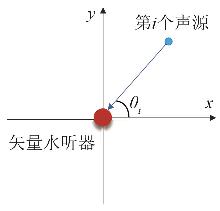
Fig. 1
Receiving signal model of two-dimensional second-order vector hydrophone
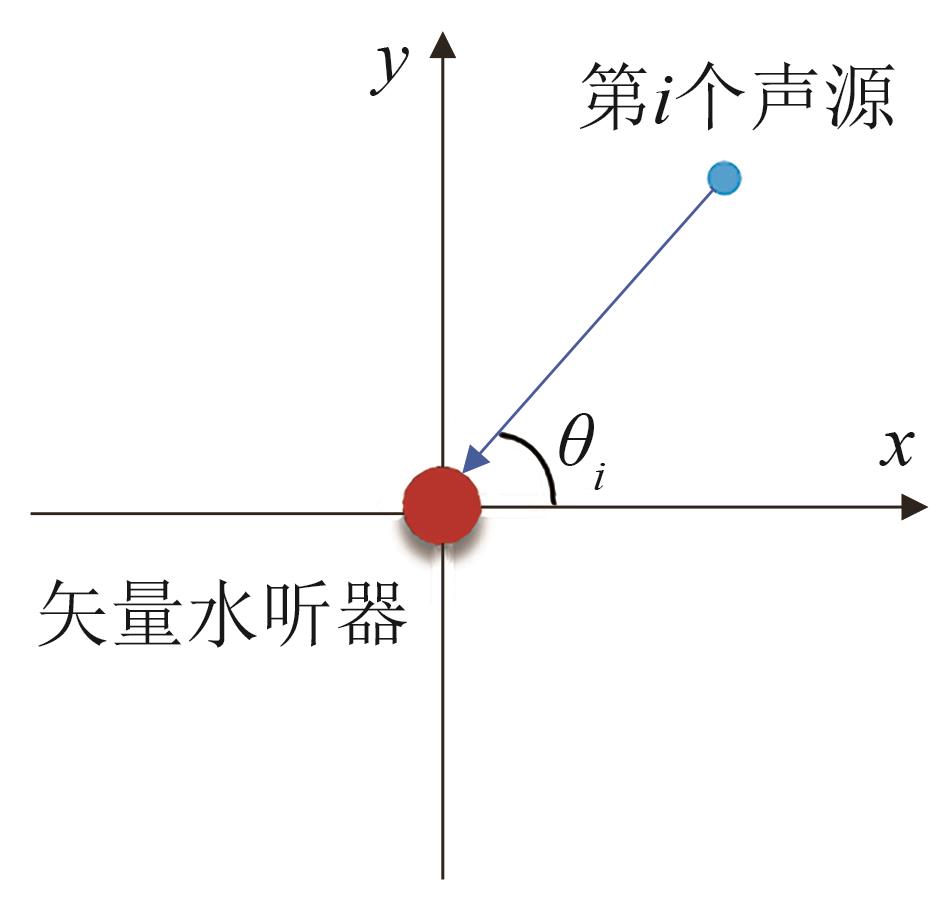
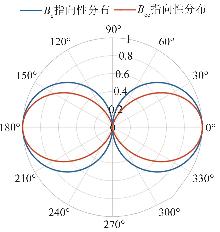
Fig. 2
Directivity functions of first-order and second-order combined signals of second-order vector hydrophone
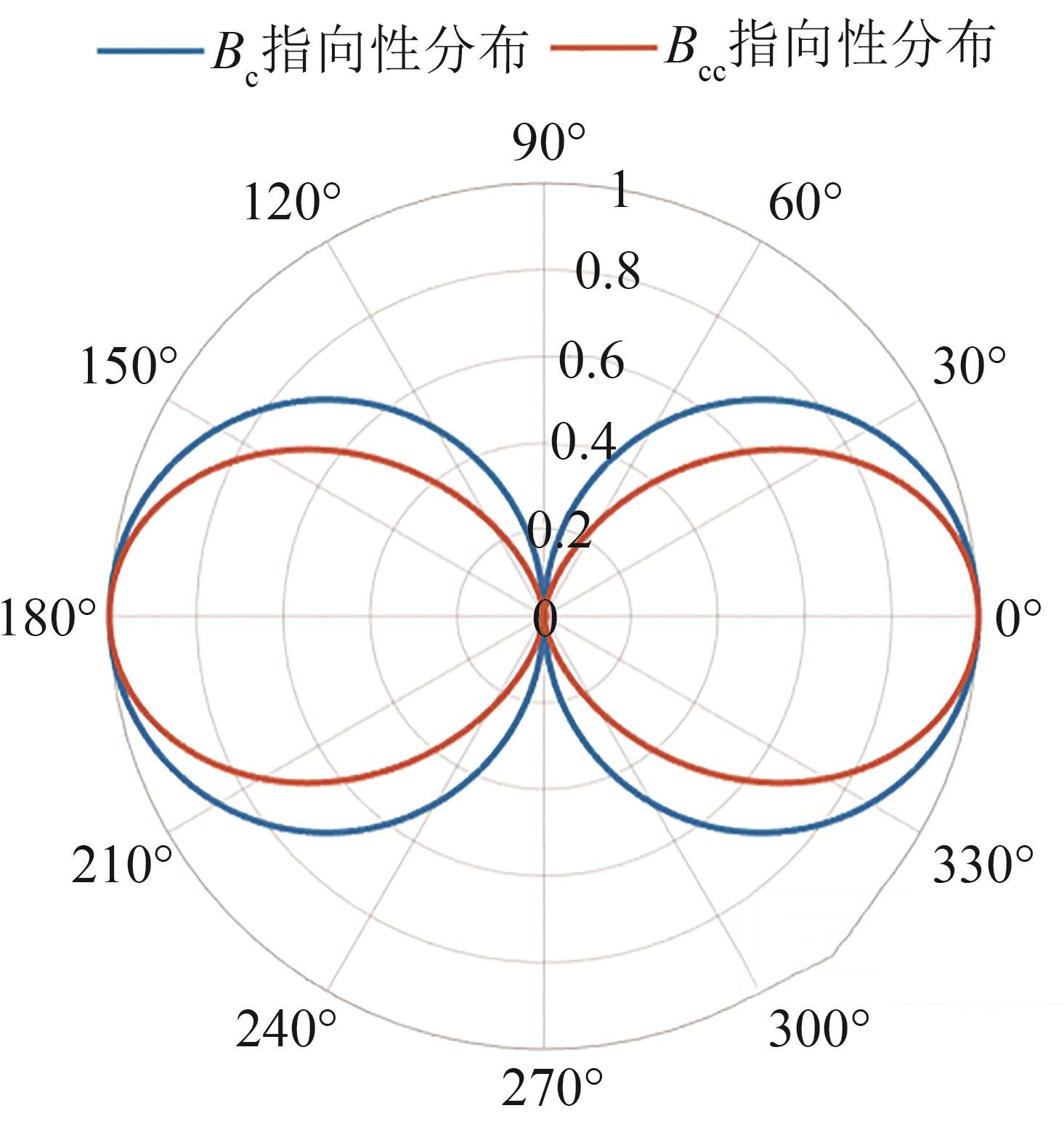
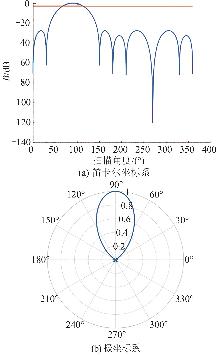
Fig. 3
Directivity function fistribution of fulti-frder fhannel combination DSDI
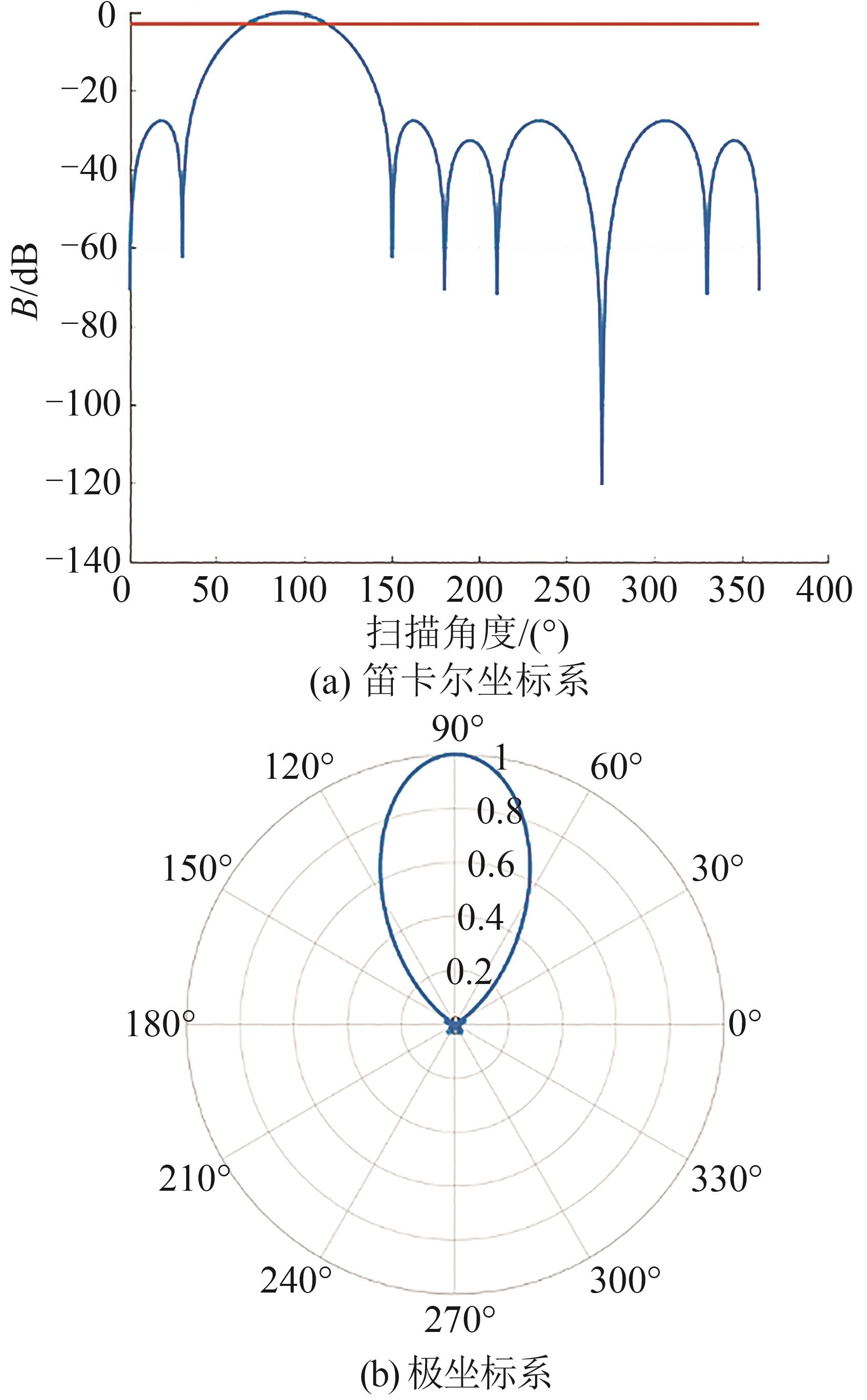
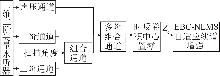
Fig. 4
Time reversal convolution adaptive line spectrum enhancement method
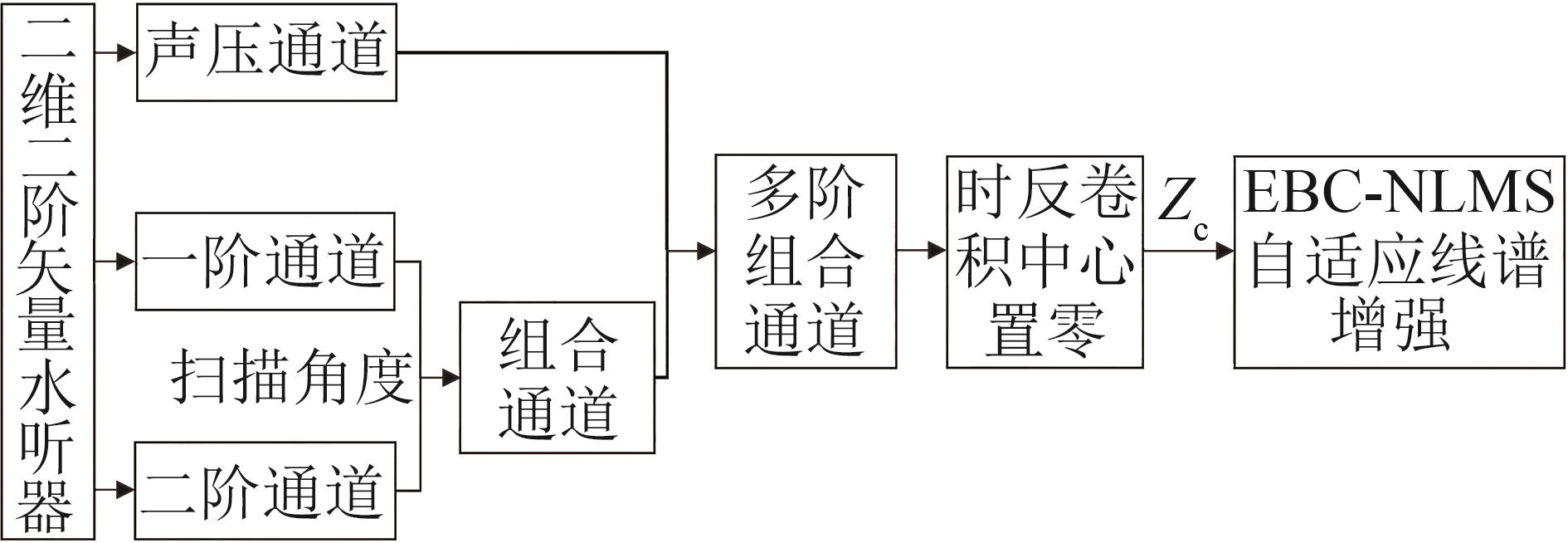
Fig. 5
Structure of conventional adaptive line spectrum enhancer
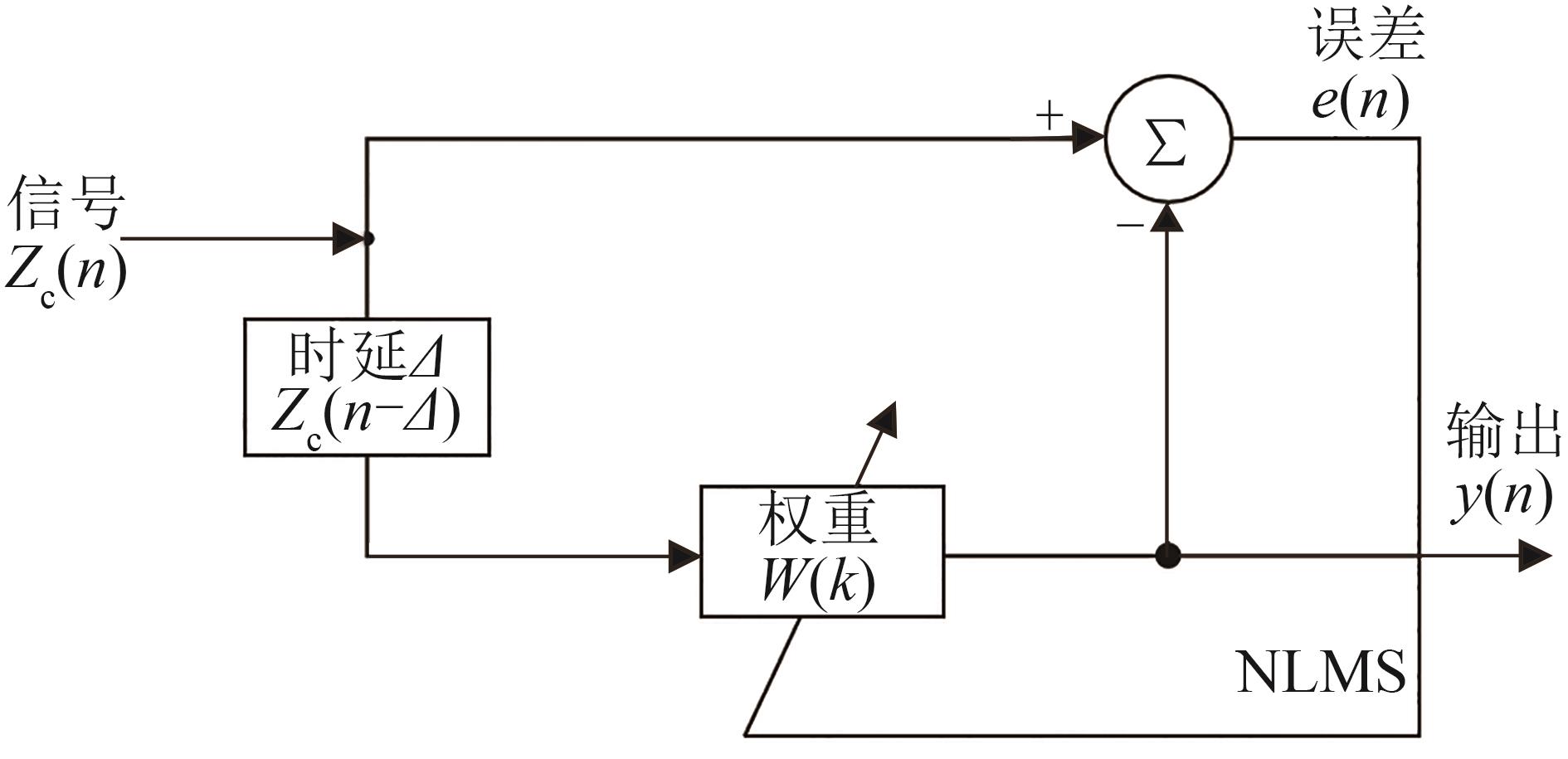
Fig. 6
LOFAR spectrum of line spectrum signal with band-limited Gaussian noise
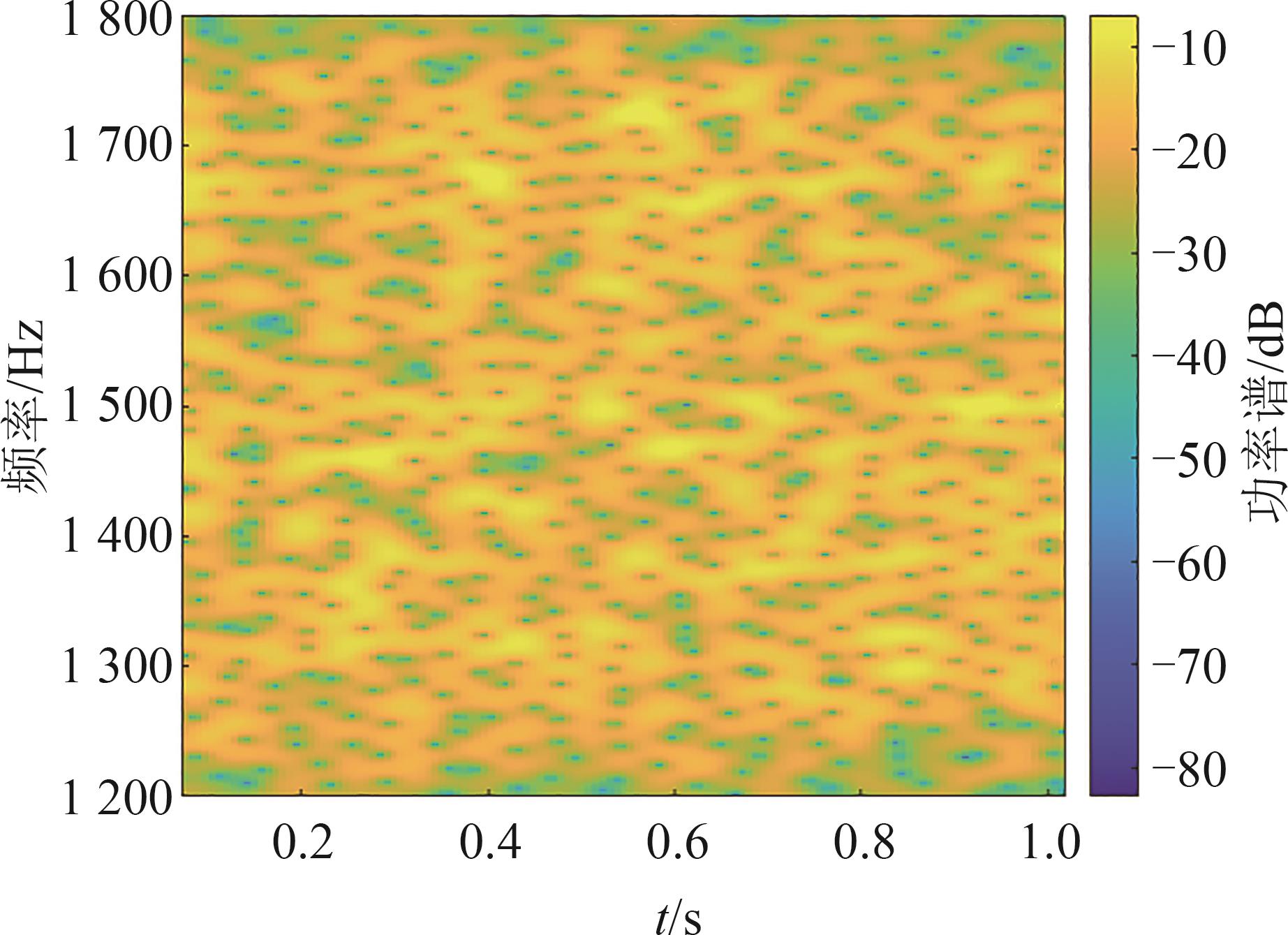
Fig. 7
LOFAR spectrum of signal processed by time-domain signal processing method in this paper
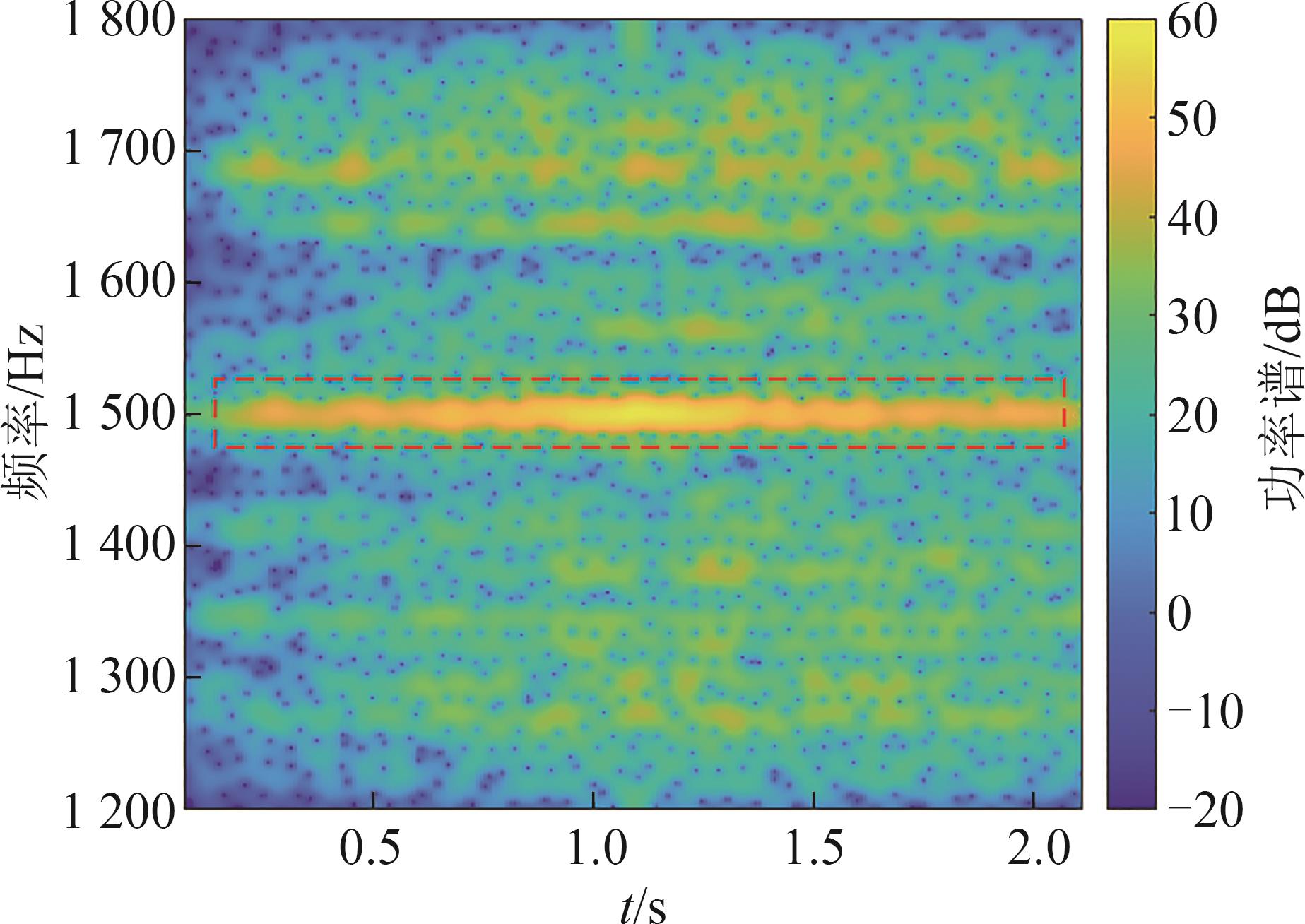
Fig. 8
LOFAR spectrum of signal processed by conventional NLMS adaptive line spectrum enhancer
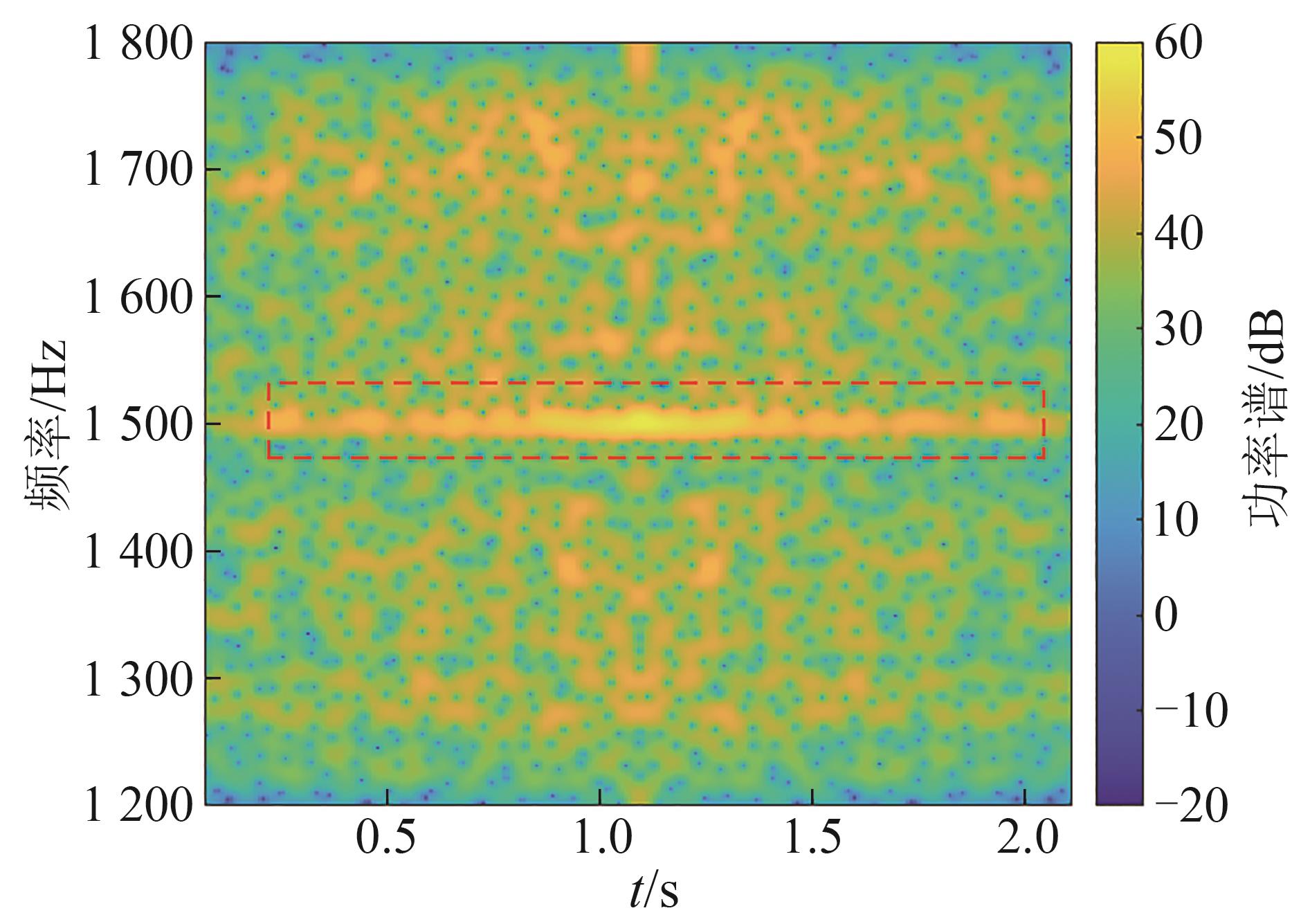
Fig. 9
LOFAR spectra of output results of different methods under different SNR conditions
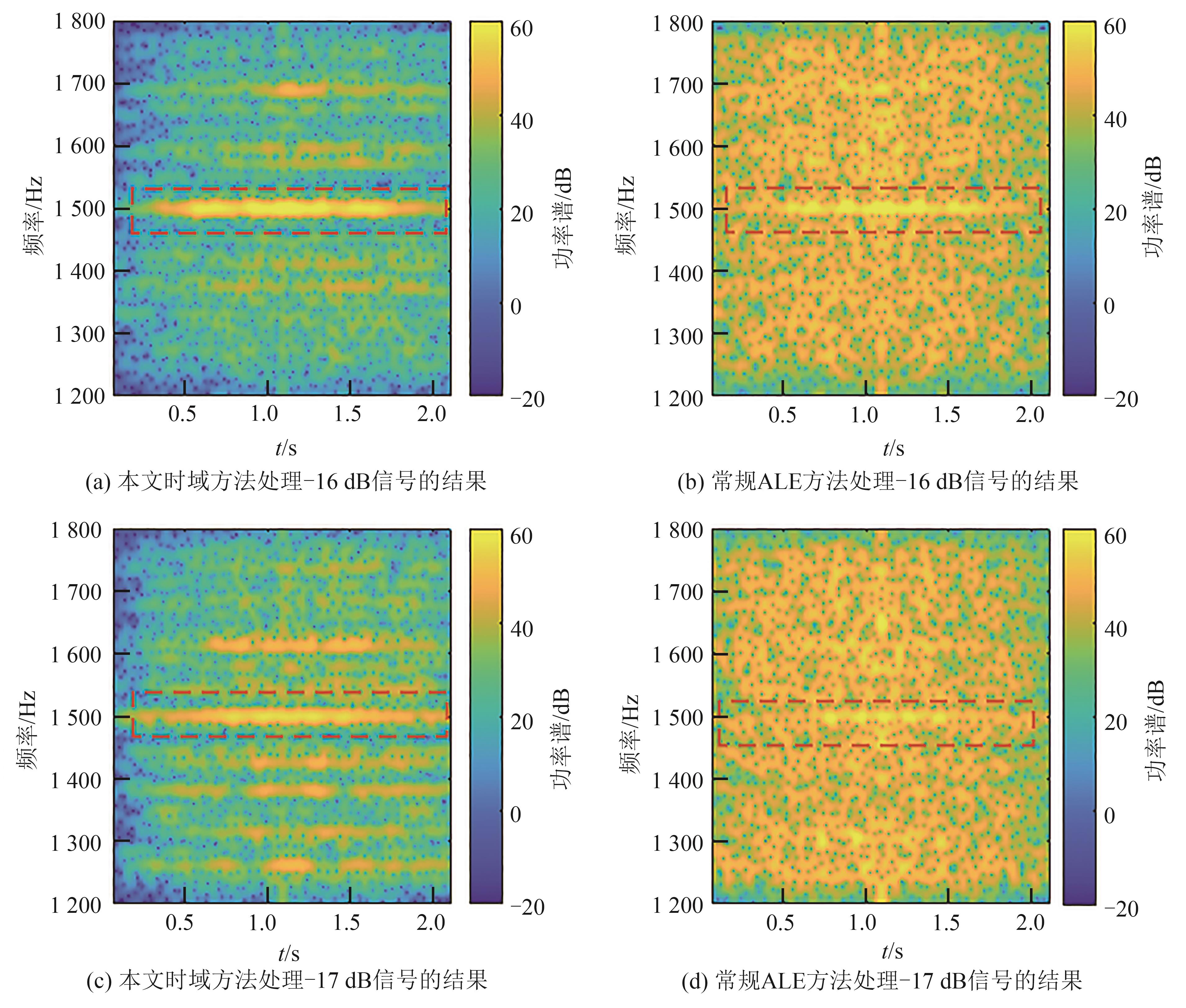
Fig. 10
Output results of processing method in this paper under -20 dB signal-to-noise ratio condition
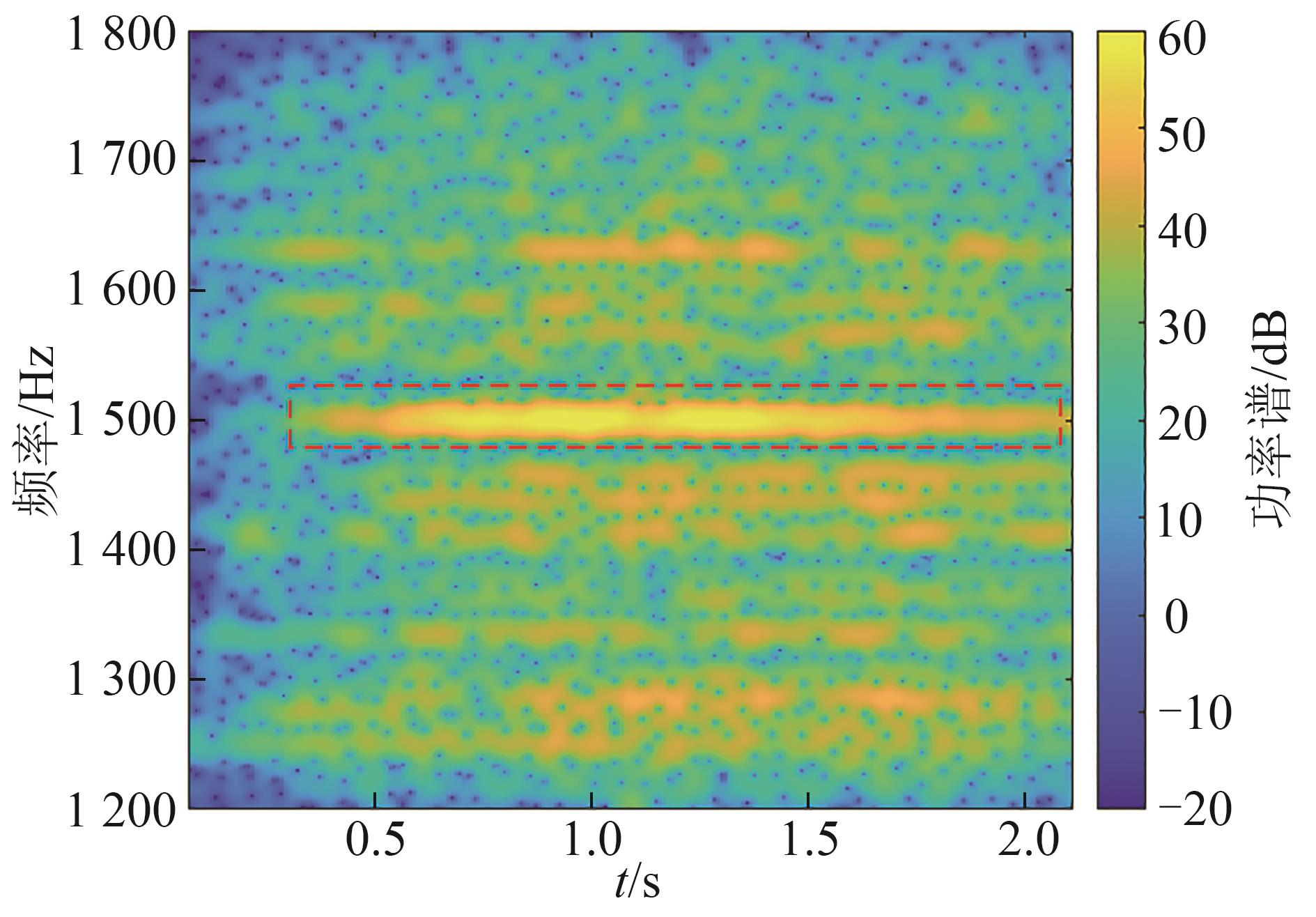
Fig. 11
Output results of conventional beamforming under -20 dB signal-to-noise ratio condition
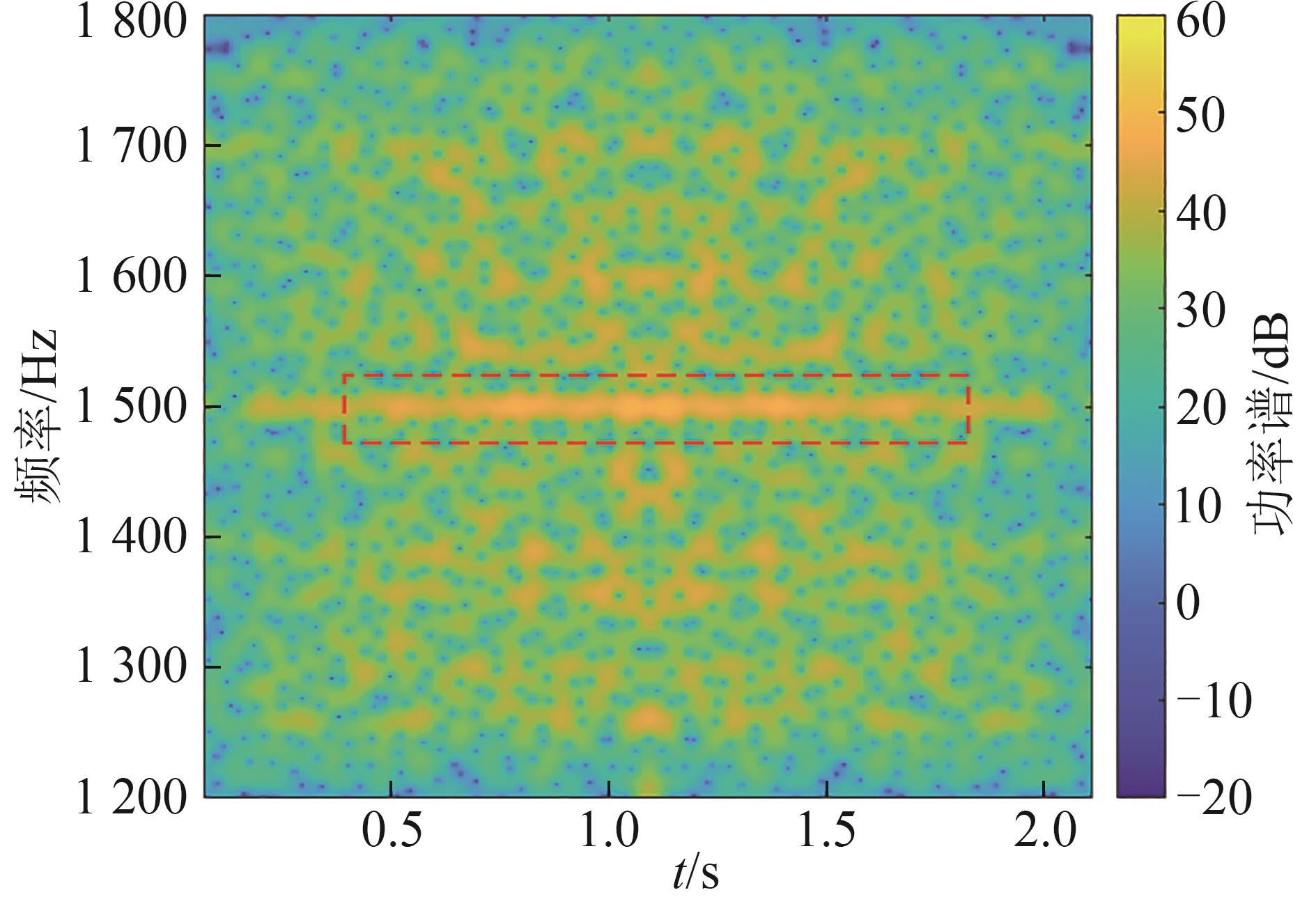
Fig. 12
Output results of MVDR beamforming under -20 dB signal-to-noise ratio condition
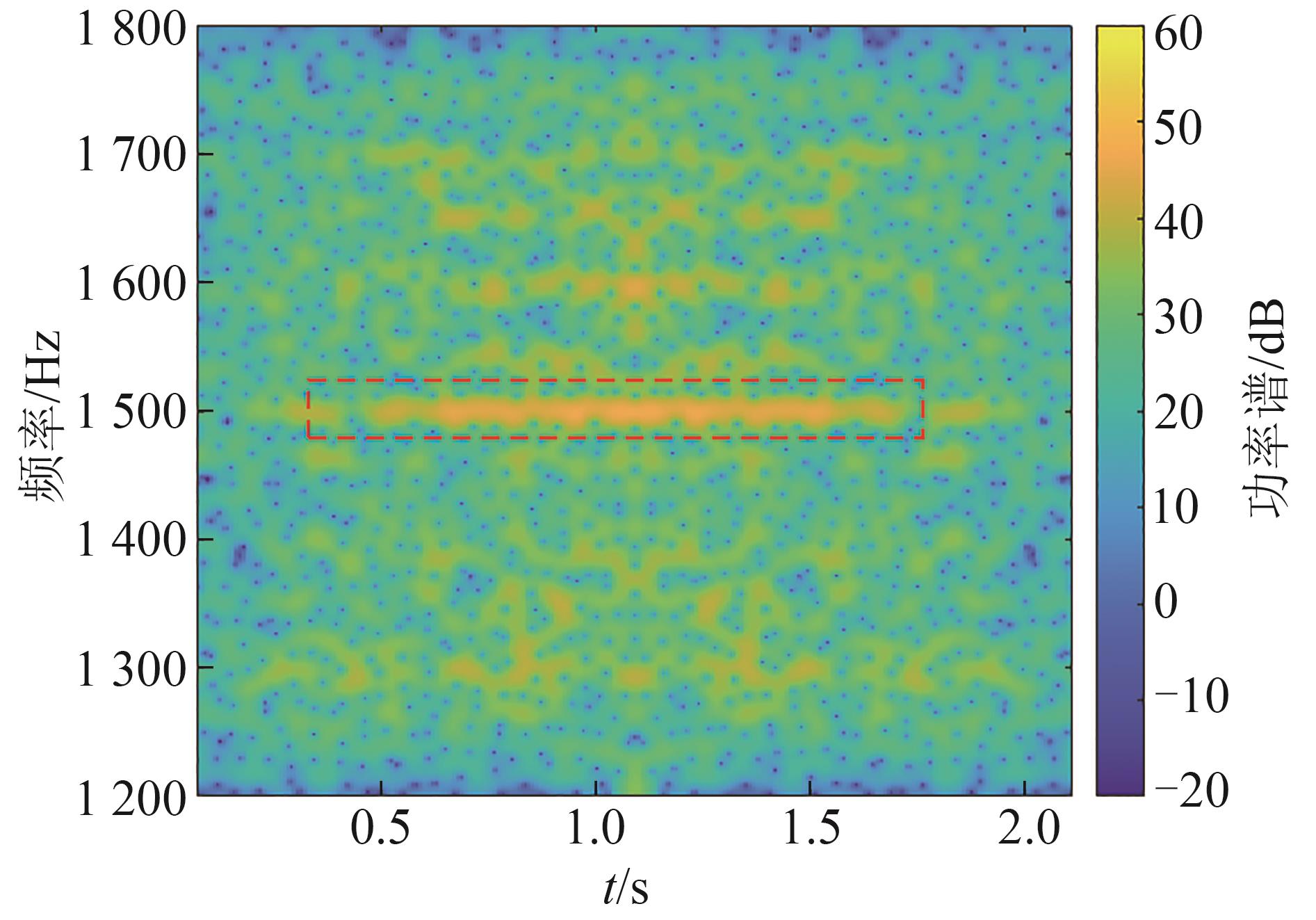
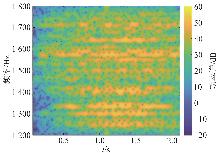
Fig. 13
Output results of time reversal convolution EBC-NLMS adaptive line spectrum enhancement processing in only sound pressure channel under -20 dB signal-to-noise ratio condition
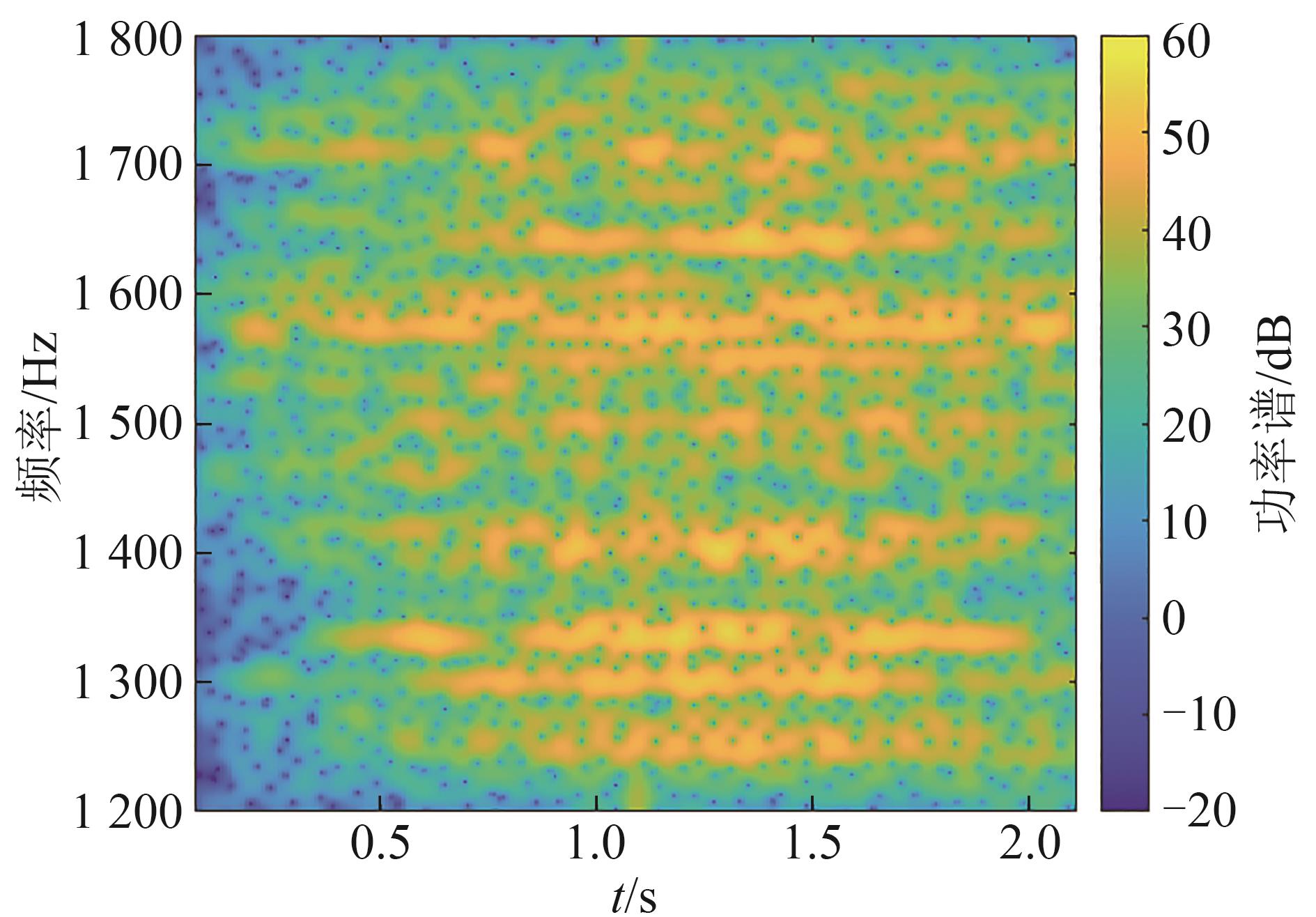
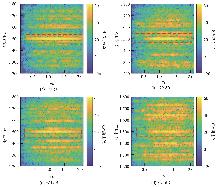
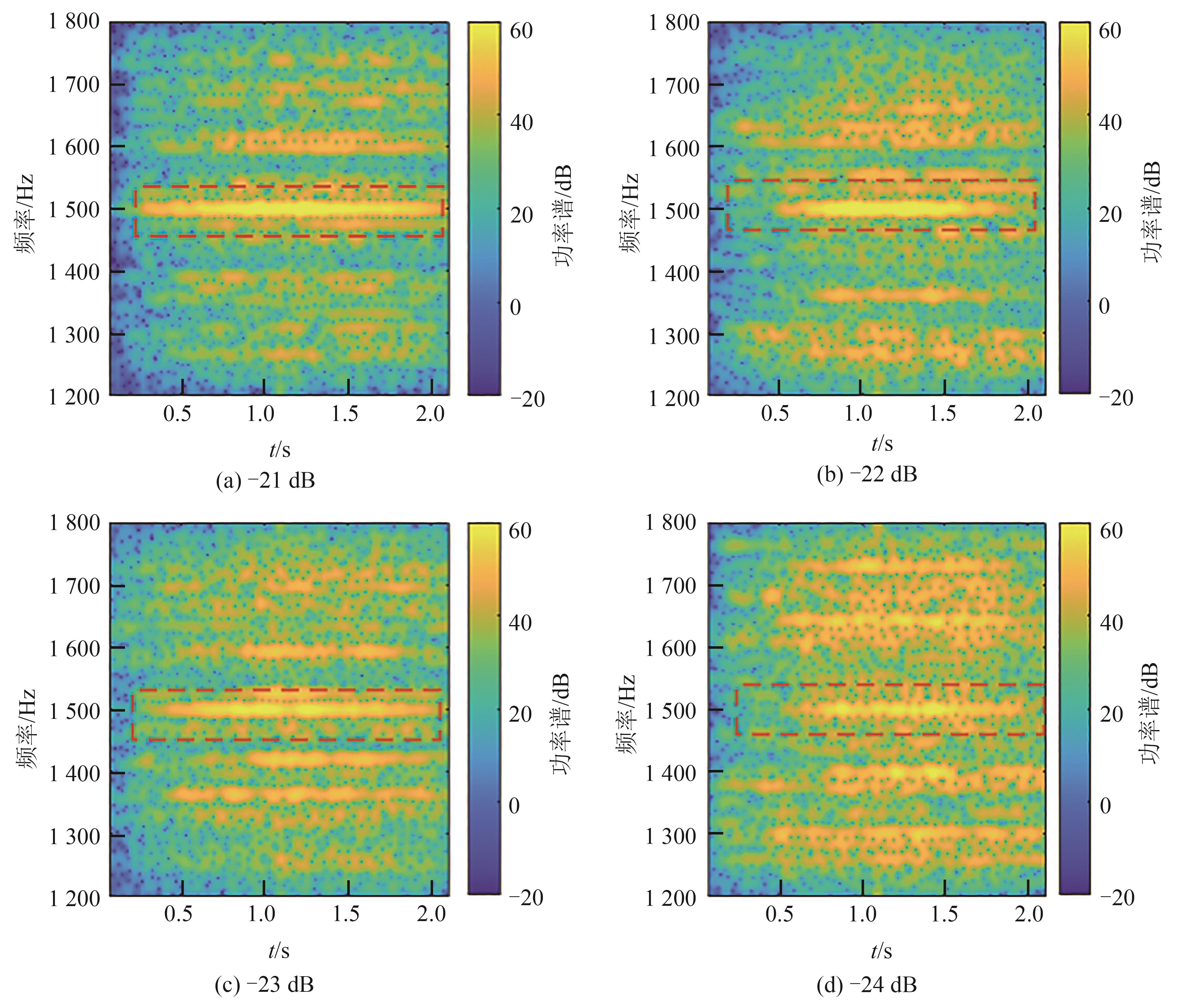
Fig. 14
Output results of method in this paper under different SNR conditions
| [1] | 陈洪娟. 矢量传感器[M]. 哈尔滨: 哈尔滨工程大学出版社, 2006: 8-9. |
| [2] | 程振阅, 赵荣荣, 马雄超, 等. 二阶镶拼圆管矢量接收换能器研究[J]. 声学技术, 2021, 40(1): 147-150. |
| Cheng Zhenyue, Zhao Rongrong, Ma Xiongchao, et al. Research on the Second Order Vector Receiving Transducer Composed of a Segmented Ring[J]. Technical Acoustics, 2021, 40(1): 147-150. | |
| [3] | 李运赫, 董金鑫. 基于单矢量水听器的水中目标高分辨线谱增强方法[J]. 传感器与微系统, 2024, 43(6): 55-58. |
| Li Yunhe, Dong Jinxin. High Resolution Line Spectrum Enhancement Method of Underwater Target Based on Single Vector Hydrophone[J]. Transducer and Microsystem Technologies, 2024, 43(6): 55-58. | |
| [4] | 王通, 张争气, 尚宇航. 基于镶拼圆管换能器的两种波束形成方法对比[J]. 压电与声光, 2017, 39(6): 834-838. |
| Wang Tong, Zhang Zhengqi, Shang Yuhang. Contrast of Two Kinds of Beam Forming Methods Based on Segemented Ring Transducer[J]. Piezoelectrics & Acoustooptics, 2017, 39(6): 834-838. | |
| [5] | 马林, 赵安邦, 汪科任, 等. 矢量水听器组合通道后置自适应处理与应用[J]. 哈尔滨工程大学学报, 2020, 41(7): 991-997. |
| Ma Lin, Zhao Anbang, Wang Keren, et al. Vector Hydrophone Combined Channel Post Adaptive Processing and Its Application[J]. Journal of Harbin Engineering University, 2020, 41(7): 991-997. | |
| [6] | 王宇杰, 李子高, 迟骋, 等. 单矢量水听器的组合二阶统计量解卷积方位估计[J]. 声学学报, 2023, 48(4): 656-667. |
| Wang Yujie, Li Zigao, Chi Cheng, et al. Single Vector Hydrophone Time-domain Deconvolution Bearing Estimation Method Based on Combined Second-order Statistics[J]. Acta Acustica, 2023, 48(4): 656-667. | |
| [7] | Silvia M T, Richards R T. A Theoretical and Experimental Investigation of Low-frequency Acoustic Vector Sensors[C]//OCEANS '02 MTS/IEEE. Piscataway: IEEE, 2002: 1886-1897. |
| [8] | D'Spain G L, Luby J C, Wilson G R, et al. Vector Sensors and Vector Sensor Line Arrays: Comments on Optimal Array Gain and Detection[J]. The Journal of the Acoustical Society of America, 2006, 120(1): 171-185. |
| [9] | Peng Chengyan, Zhang Xueliang, Meng Zhou. Bearing Estimation for Optical Fiber Vector Hydrophone with In-band Resonance[J]. Applied Acoustics, 2020, 158: 107055. |
| [10] | 马林, 王彪, 赵安邦, 等. 基于声压振速时反卷积联合处理的宽带信号检测[J]. 江苏科技大学学报(自然科学版), 2021, 35(6): 64-71, 106. |
| Ma Lin, Wang Biao, Zhao Anbang, et al. Broadband Source Detection Based on Sound Pressure and Vibration Velocity Time Reversal Convolution Joint Processing[J]. Journal of Jiangsu University of Science and Technology(Natural Science Edition), 2021, 35(6): 64-71, 106. | |
| [11] | 古天龙, 张清智, 李晶晶. 基于时-频注意力机制网络的水声目标线谱增强[J]. 电子与信息学报, 2024, 46(1): 92-100. |
| Gu Tianlong, Zhang Qingzhi, Li Jingjing. Line Spectrum Enhancement of Underwater Acoustic Targets Based on a Time-frequency Attention Network[J]. Journal of Electronics & Information Technology, 2024, 46(1): 92-100. | |
| [12] | 杜栓平, 陈越超, 罗兆瑞. 利用深层卷积网络自适应增强学习的水声目标线谱提取方法[J]. 声学学报, 2023, 48(4): 699-714. |
| Du Shuanping, Chen Yuechao, Luo Zhaorui. Line Spectrum Extraction of Underwater Acoustic Target Using Deep Convolution Network and Adaptive Enhancement Learning[J]. Acta Acustica, 2023, 48(4): 699-714. | |
| [13] | 裴明, 陈阳, 邓林红. 基于U-net网络改进的线谱检测方法[J]. 电子测量技术, 2021, 44(13): 85-90. |
| Pei Ming, Chen Yang, Deng Linhong. An Improved Spectrum Line Extraction Method Based on U-net Network[J]. Electronic Measurement Technology, 2021, 44(13): 85-90. | |
| [14] | 李庆龙, 宋文华, 高大治, 等. 使用干涉谱图的浅海目标无源定位[J]. 声学学报, 2022, 47(5): 625-633. |
| Li Qinglong, Song Wenhua, Gao Dazhi, et al. Passive Localization of Shallow Sea Targets Using Interferogram[J]. Acta Acustica, 2022, 47(5): 625-633. | |
| [15] | 王升贵, 胡桥, 陈迎亮, 等. 基于深度学习的水下目标识别方法研究[J]. 舰船科学技术, 2020, 42(23): 141-145. |
| Wang Shenggui, Hu Qiao, Chen Yingliang, et al. Research on Underwater Target Recognition Method Based on Deep Learning[J]. Ship Science and Technology, 2020, 42(23): 141-145. | |
| [16] | 李雄辉, 梁国龙, 沈同圣, 等. 单矢量水听器的改进稀疏贝叶斯学习方位估计算法[J]. 声学学报, 2025, 50(1): 77-85. |
| Li Xionghui, Liang Guolong, Shen Tongsheng, et al. Improved Sparse Bayesian Learning Direction Estimation Algorithm for Single Vector Hydrophones[J]. Acta Acustica, 2025, 50(1): 77-85. | |
| [17] | 洪连进, 王哲睿, 吴明泽. 水下声传感器及其工程应用[M]. 北京: 科学出版社, 2023: 163-164. |
| Hong Lianjin, Wang Zherui, Wu Mingze. Underwater Acoustic Sensors and Their Engineering Applications[M]. Beijing: Science Press, 2023: 163-164. | |
| [18] | Zhao Anbang, Ma Lin, Ma Xuefei, et al. An Improved Azimuth Angle Estimation Method with a Single Acoustic Vector Sensor Based on an Active Sonar Detection System[J]. Sensors, 2017, 17(2): 412. |
| [1] | Li Fang, Zhou Deyu, Wang Gang, Liu Guangjun, Hu Qi. Learning Evolution Modeling of Multi-cycle Nested Cloud Manufacturing Service Ecosystem [J]. Journal of System Simulation, 2026, 38(8): 2265-2282. |
| [2] | Jin Kaidi, Liu Xunyun, Zhou Dongao, Wang Yang, Liu Zhaopeng. A Review of Spatial Indexing Technologies for Large-scale Combat Simulation [J]. Journal of System Simulation, 2026, 38(8): 2206-2222. |
| [3] | Liu Zhaopeng, Jin Kaidi, Liu Xunyun, Zhou Dongao, Xu Xinhai. Time-step Relaxation Method for Simulation with Time-sensitive Interactions [J]. Journal of System Simulation, 2026, 38(8): 2197-2205. |
| [4] | Chen Yousong, Cheng Ruofa, Liu Yi, Zhang Yi, Zuo Zhihao. Optimal Scheduling of Virtual Power Plants Considering Photothermal Power Stations and Hydrogen Energy Utilization [J]. Journal of System Simulation, 2026, 38(8): 2179-2196. |
| [5] | Li Gengpeng, Cai Wei, Yang Zhiyong, Zhang Zhili, Wang Xiaowei. Evolution and Prospects of Polarization Image Simulation Technology [J]. Journal of System Simulation, 2026, 38(7): 1783-1800. |
| [6] | Qian Mingjun, Yin Chao, Huang Zhiwen, Wang Quanneng. Simulation Study on the Vulnerability of Belt and Road Composite Transportation Network Based on Cascading Failure [J]. Journal of System Simulation, 2026, 38(7): 1801-1814. |
| [7] | Zhu Yelei, Shen Shoulin, Zhu Jiang, Wen Chuanhua. Multi-scale Modeling Method for Intelligent Unmanned Aerial Vehicle Swarm Combat [J]. Journal of System Simulation, 2026, 38(7): 1849-1869. |
| [8] | Liu Ya, Zhang Zhaoyun, An Cheng, Zheng Canguang. Research on Safety Monitoring System for Digital Twin Fully Mechanized Mining Face in Thin Coal Seams [J]. Journal of System Simulation, 2026, 38(7): 1922-1934. |
| [9] | Yang Yongqi, Wang Cong, Zhang Hongli, Ma Ping, Meng Yue, Zhou Tianhao. Adaptive Spatiotemporal Graph Neural Network-based Net Load Forecasting for Residential Areas [J]. Journal of System Simulation, 2026, 38(7): 2007-2019. |
| [10] | Li Jinwei, Liu Xiaoyang, Ju Rusheng. Research on Temporal Action Localization Methods for Cross-modal Understanding [J]. Journal of System Simulation, 2026, 38(7): 2053-2067. |
| [11] | Zhang Jiali, Liu Haiping, Jiang Qinsheng, Dang Sina. Optimization of Convective Heat Transfer Parameters for Spindles Based on Finite Element Thermal Analysis [J]. Journal of System Simulation, 2026, 38(7): 2082-2090. |
| [12] | Guo Zhaolu, Liu Qianhui. Simulation and Optimization of Task Offloading in Mine Edge Computing for Low-concurrency Devices [J]. Journal of System Simulation, 2026, 38(7): 2091-2104. |
| [13] | Li Minghui, Gao Daoxiang. Research on Output Feedback Control Based on Reinforcement Learning for Overhead Crane [J]. Journal of System Simulation, 2026, 38(6): 1771-1781. |
| [14] | Wen Libin, Tang Shaopu, Hu Xianfa, Xi Jinji, Zhang Tongtong, Hu Hong, Zhang Weijie. Pattern Identification and Mechanism Analysis of Nonlinear Oscillations in Grid-connected Direct-drive Wind Turbines [J]. Journal of System Simulation, 2026, 38(6): 1734-1748. |
| [15] | Liu Yijia, Zhou Chenjing, Pan Dong, Rong Jian, Xiao Yang. Two-stage Calibration and Optimization Method for Microscopic Traffic Simulation Model Parameters Based on Neural Network Surrogate Models [J]. Journal of System Simulation, 2026, 38(6): 1711-1721. |
| Viewed | ||||||
|
Full text |
|
|||||
|
Abstract |
|
|||||
 http://www.china-simulation.com

