

Journal of System Simulation ›› 2026, Vol. 38 ›› Issue (8): 2294-2311.doi: 10.16182/j.issn1004731x.joss.25-0936
• Papers • Previous Articles
He Peng1, Tang Yubo2, Liu Jingde2, Tian Yujia1
Received:2025-09-28
Revised:2025-11-24
Online:2026-08-28
Published:2026-08-31
Contact:
Tang Yubo
CLC Number:
He Peng, Tang Yubo, Liu Jingde, Tian Yujia. Intelligent Evaluation Method for Regional Air Superiority Based on Graph Convolutional Neural Network[J]. Journal of System Simulation, 2026, 38(8): 2294-2311.
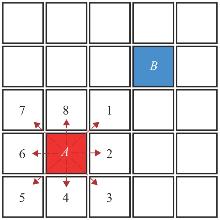
Fig. 1
Air superiority matrix
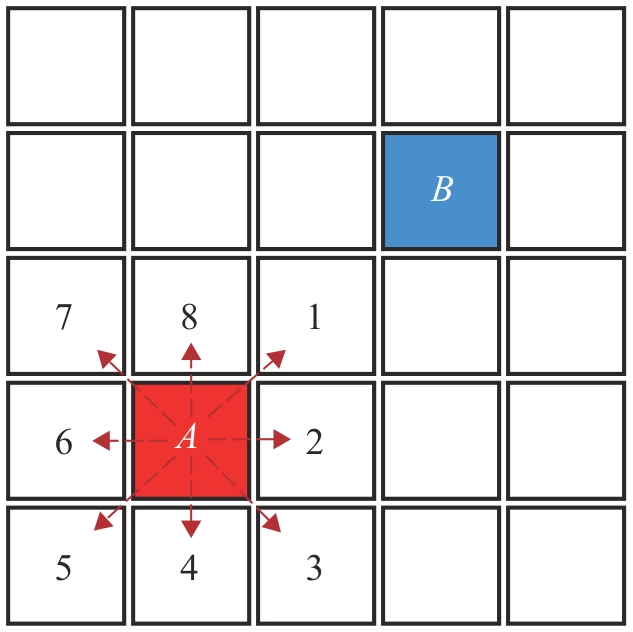
Fig. 2
Node attributes of air superiority matrix
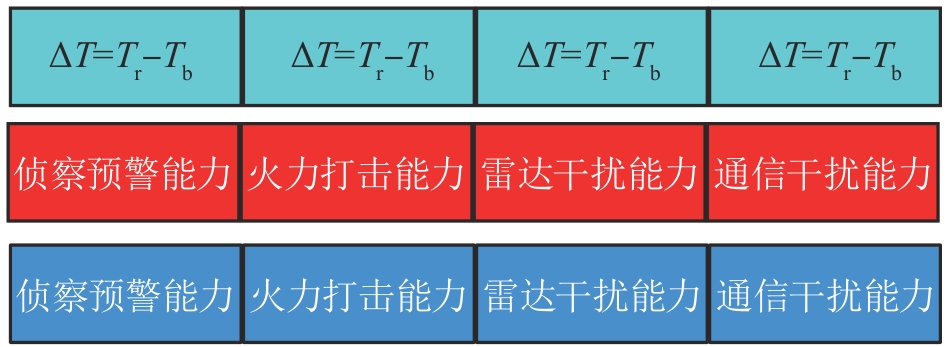
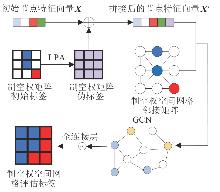
Fig. 3
GCN-LPA model framework
Table 1
Ablation experiment scheme
| 实验分组 | 编号 | 模型名称 | LPA特征 | LPA损失 |
|---|---|---|---|---|
| 对照组 | A0 | GCN | × | × |
| A1 | GCN-LPA-LOSS | × | √ | |
| 实验组 | A2 | GCN-LPA | √ | × |
| A3 | GCN-LPA-FULL | √ | √ |
Table 2
Parameters of GCN series models in ablation experiments
| 参数名称 | 参数值 | 参数名称 | 参数值 |
|---|---|---|---|
| 隐藏层维度 | 256 | Dropout率 | 0.100 4 |
| 输出层维度 | 16 | 学习率 | 0.004 2 |
| 神经网络层数 | 3 | 权重衰减系数 | 1.655 6×10⁻⁵ |
| 批量大小 | 64 | 训练周期 | 100 |
Fig. 4
Training losses in ablation experiments
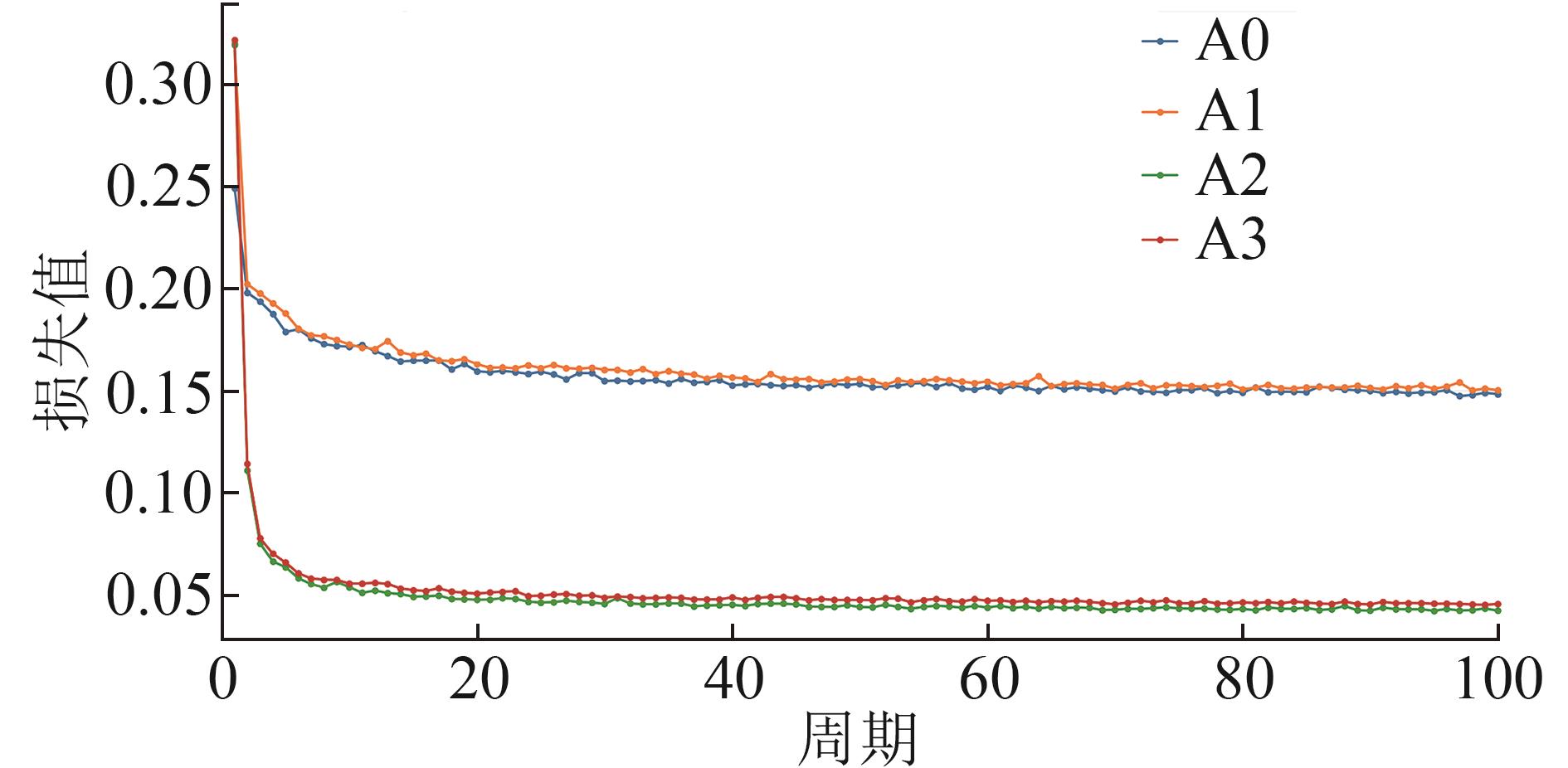
Fig. 5
Evaluation metrics in ablation experiments
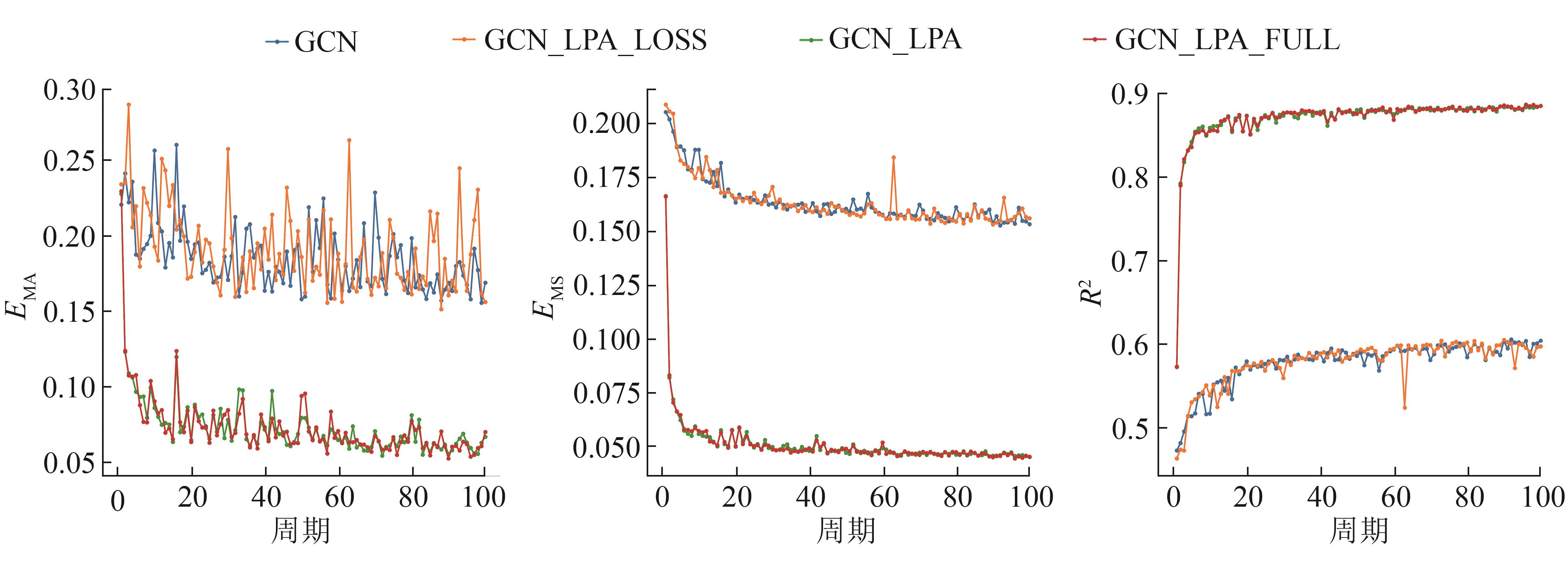
Fig. 6
Box plot of ablation experiment metrics on validation set
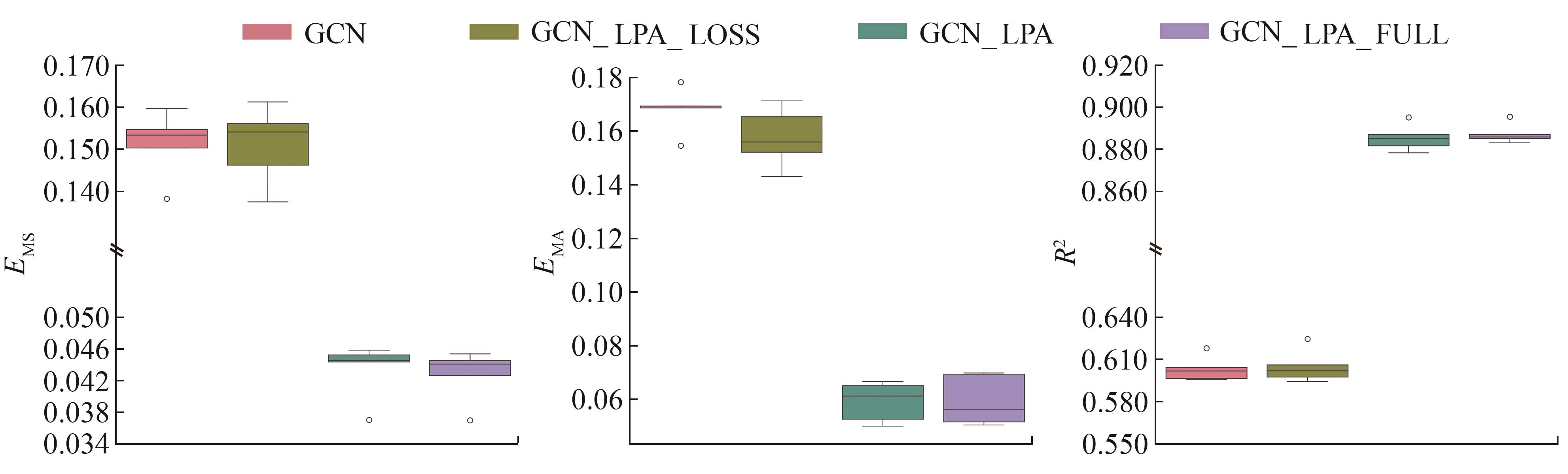
Fig. 7
Box plot of ablation experiment metrics on test set
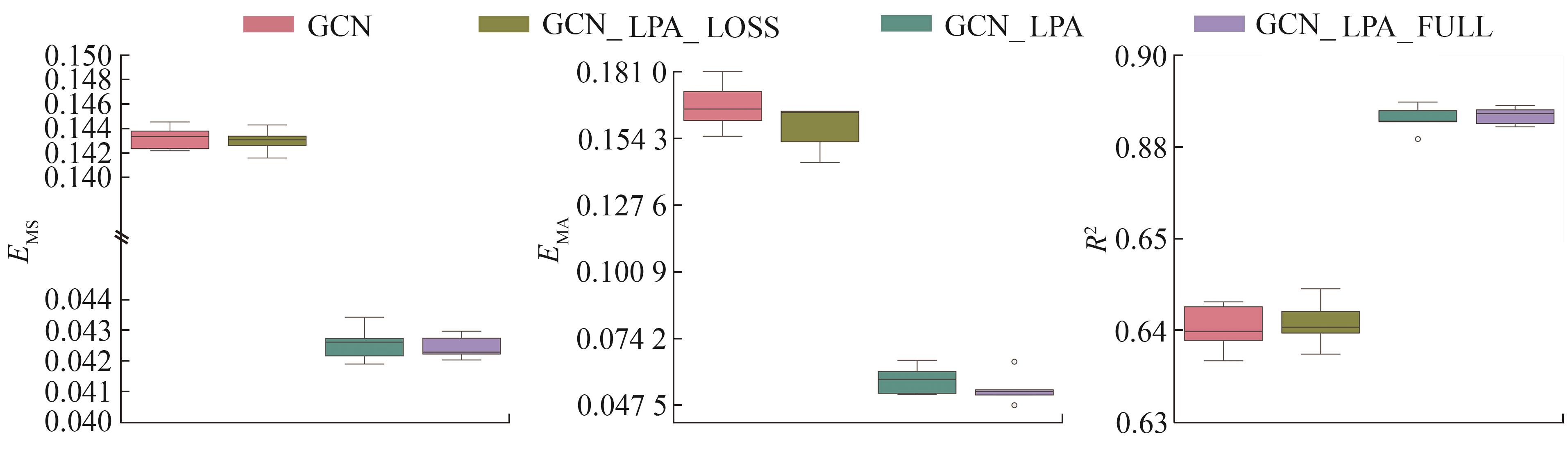
Fig. 8
Significance test plot
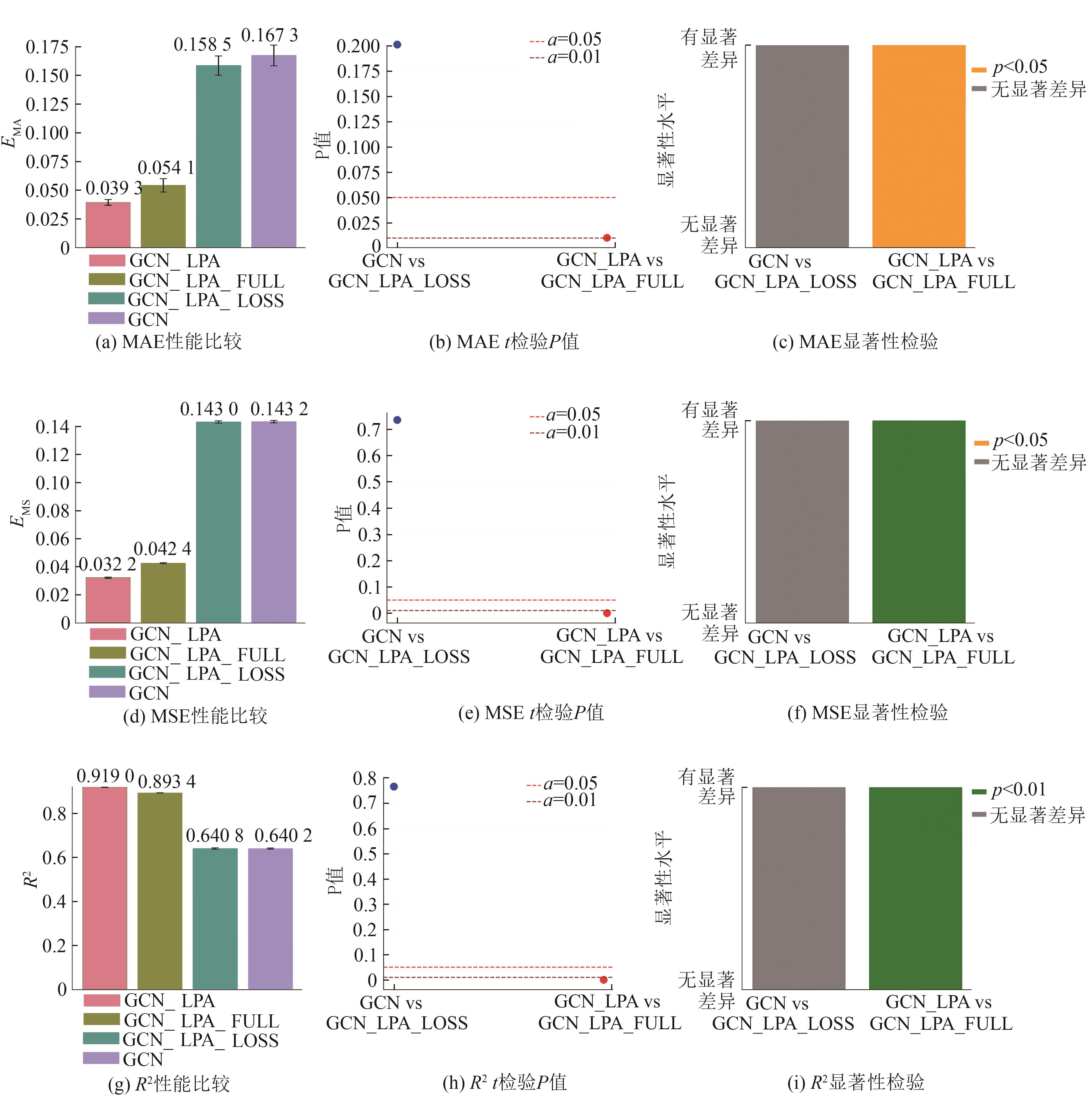
Table 3
Results of ablation experiments
| 编号 | EMS | EMA | R2 |
|---|---|---|---|
| A0 | 0.154 7/0.142 3 | 0.169 4/0.155 1 | 0.601 6/0.642 5 |
| A1 | 0.132 4/0.141 6 | 0.143 1/0.144 6 | 0.624 5/0.644 5 |
| A2 | 0.044 3/0.041 9 | 0.061 2/0.061 0 | 0.881 5/0.894 8 |
| A3 | 0.042 6/0.042 0 | 0.051 5/0.064 9 | 0.885 7/0.894 5 |
Table 4
Results of comparative experiments
| 类别 | 模型名称 | EMS | EMA | R2 |
|---|---|---|---|---|
| ML | LPA | 0.795 0/0.796 3 | 0.888 3/0.884 9 | -2.249 2/-2.402 1 |
| Ridge回归 | 0.011 5/0.017 6 | 0.021 9/0.029 0 | 0.094 8/0.101 6 | |
| KNN | 0.011 6/0.017 2 | 0.022 0/0.034 1 | 0.102 7/0.122 6 | |
| 随机森林回归 | 0.011 1/0.017 2 | 0.021 2/0.030 5 | 0.109 9/0.131 6 | |
| 贝叶斯回归 | 0.011 5/0.017 6 | 0.021 8/0.029 1 | 0.094 7/0.101 6 | |
| MLP | MLP | 0.011 5/0.017 7 | 0.020 8/0.027 1 | 0.094 3/0.098 8 |
| Graph-MLP | 0.011 5/0.017 7 | 0.020 8/0.027 1 | 0.094 3/0.098 8 | |
| GNN | GAT | 0.183 2/0.161 5 | 0.222 6/0.182 2 | 0.489 2/0.549 3 |
| SGC | 0.132 9/0.140 6 | 0.144 9/0.141 0 | 0.623 1/0.646 7 | |
| GraphSAGE | 0.146 4/0.142 7 | 0.148 8/0.143 9 | 0.605 9/0.641 7 | |
| GCN-LPA | 0.036 8/0.042 1 | 0.048 7/0.050 8 | 0.895 7/0.894 1 |
Table 5
Hyperparameter optimization list
| 参数类型 | 参数名称 | 优化区间 |
|---|---|---|
| 离散参数 | 隐藏层维度 | {32,64,128,256} |
| 输出层维度 | {16,32,64} | |
| 批量大小 | {4,8,16,32,64} | |
| 神经网络层数 | {2,3,4,5,6} | |
| 连续参数 | 学习率 | [1×10-5,1×10-2] |
| Dropout率 | [0.1,0.7] | |
| 权重衰减系数 | [1×10-6,1×10-3] | |
| 训练周期 | [50,200] |
Fig. 9
Median plot
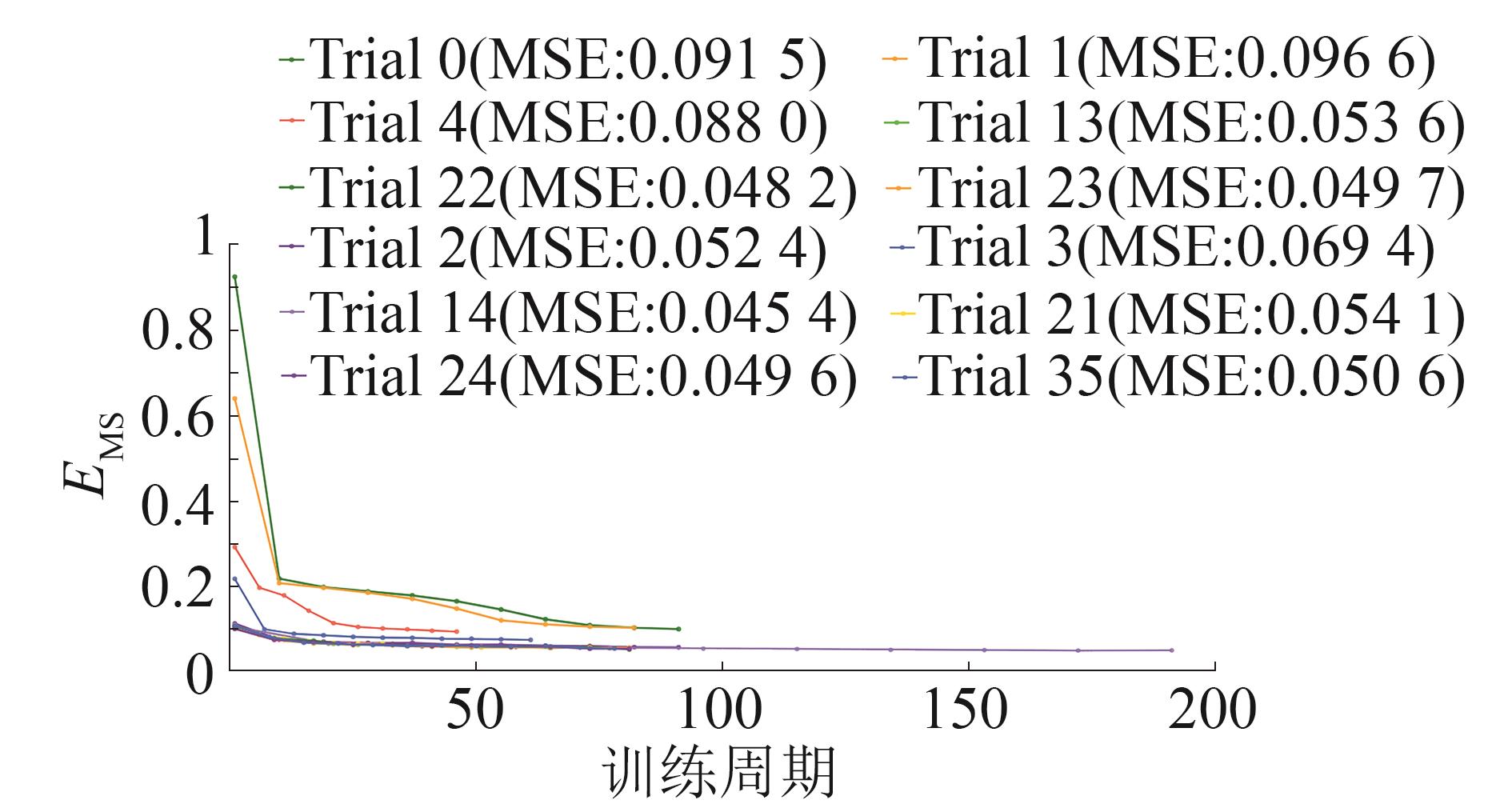
Fig. 10
Optimization history plot
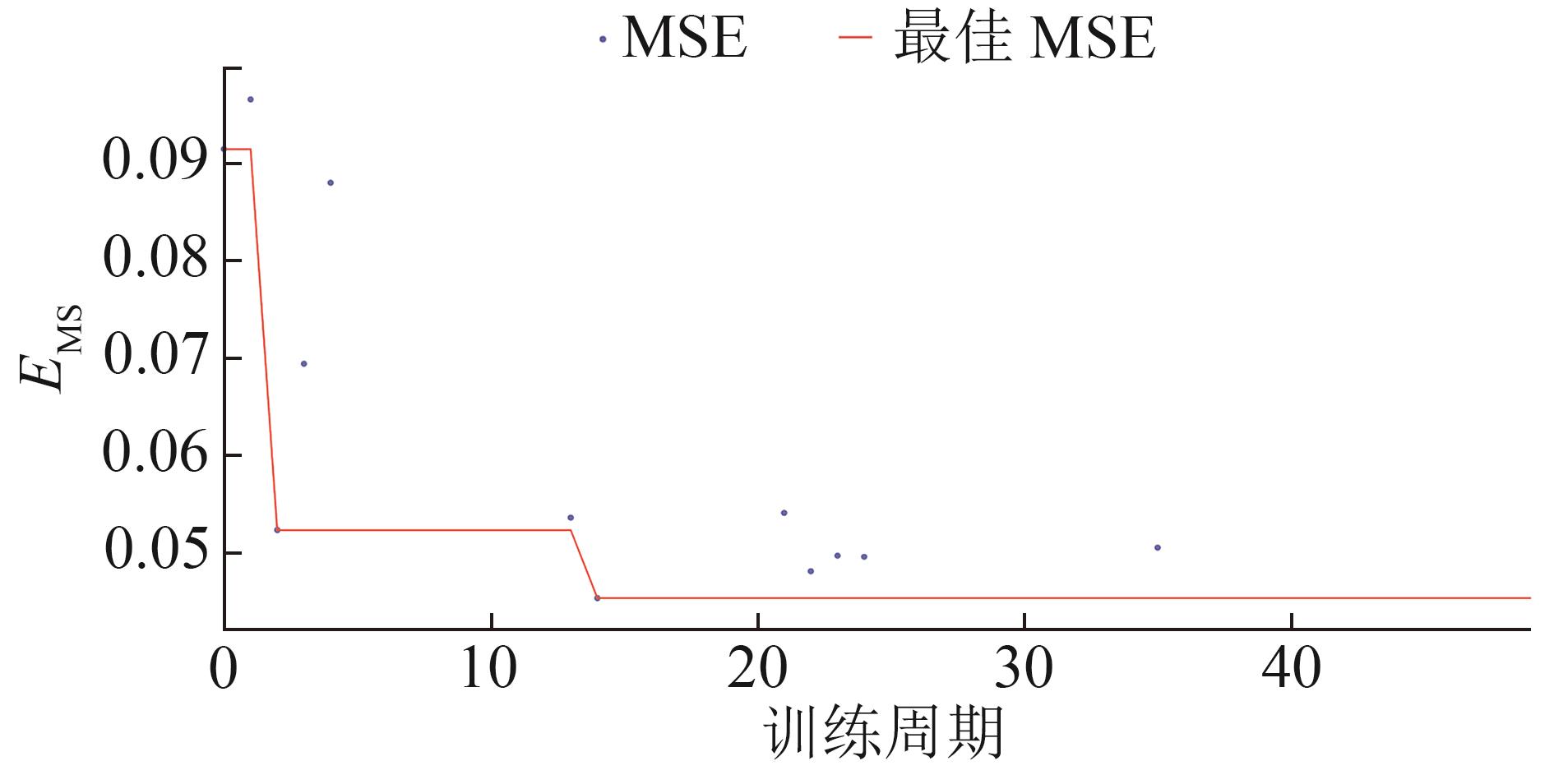
Fig. 11
Parameter slice plot
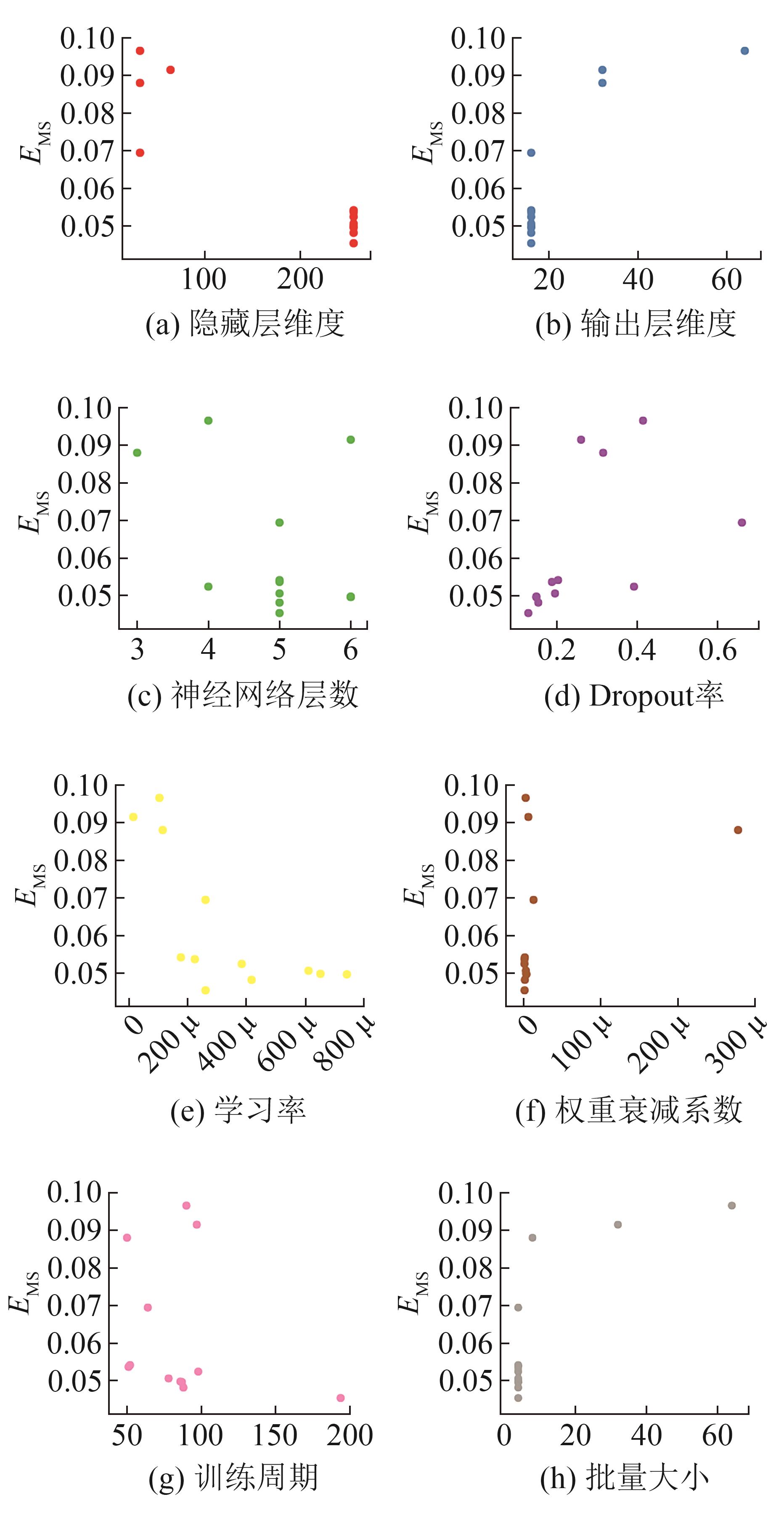
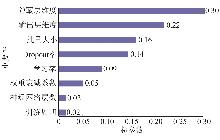
Fig. 12
Parameter importance plot
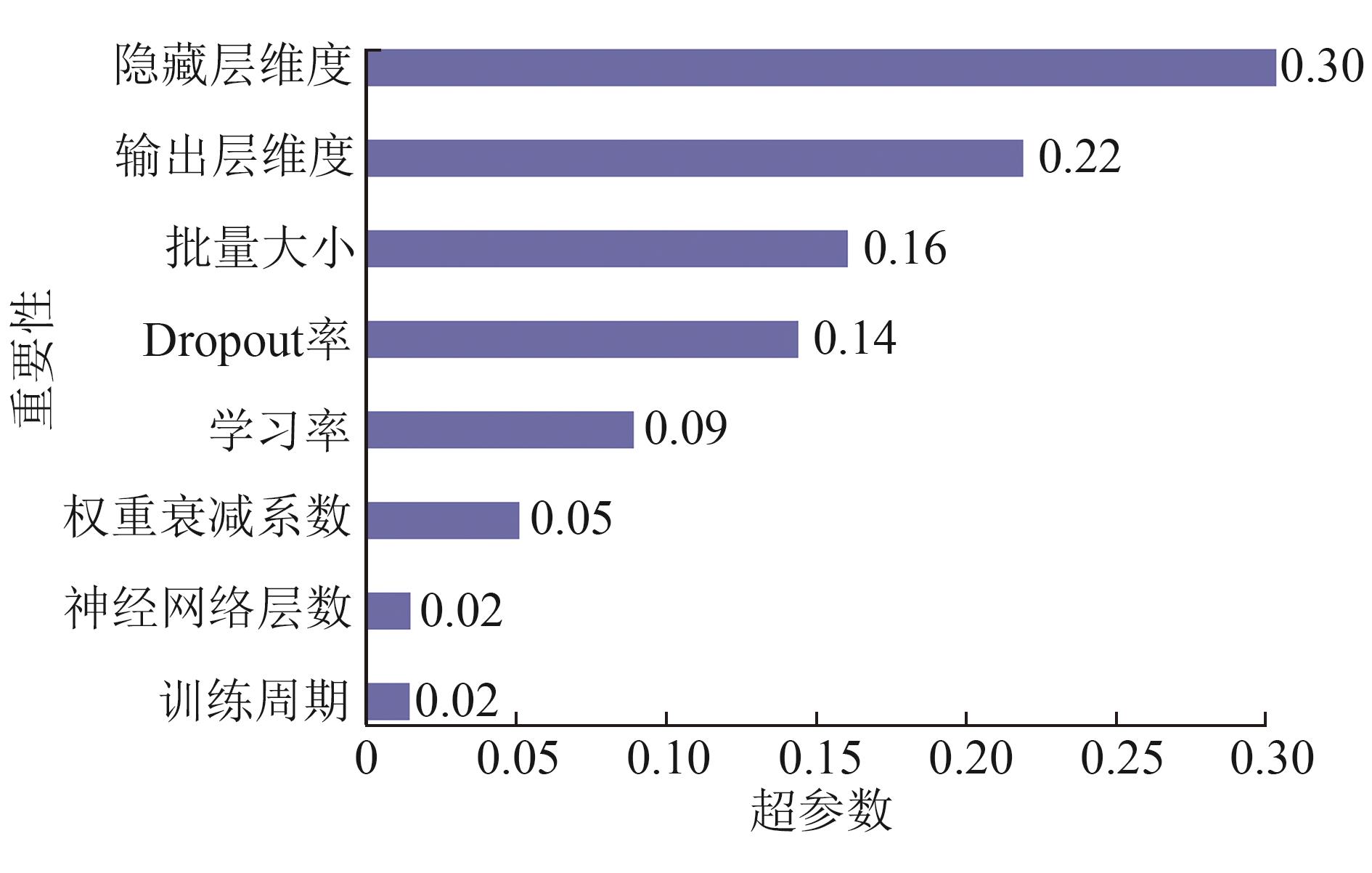
Table 6
Optimal parameter combination for GCN-LPA model
| 参数名称 | 参数值 | 参数名称 | 参数值 |
|---|---|---|---|
| 隐藏层维度 | 256 | Dropout率 | 0.129 4 |
| 输出层维度 | 16 | 学习率 | 0.000 3 |
| 神经网络层数 | 5 | 权重衰减系数 | 1.242×10⁻⁶ |
| 批量大小 | 4 | 训练周期 | 194 |
Table 7
Experimental results of GCN-LPA
| EMS | EMA | R2 |
|---|---|---|
| 0.033 1/0.031 6 | 0.040 9/0.037 6 | 0.912 1/0.920 4 |
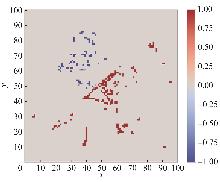
Fig. 13
Heatmap of air superiority before training
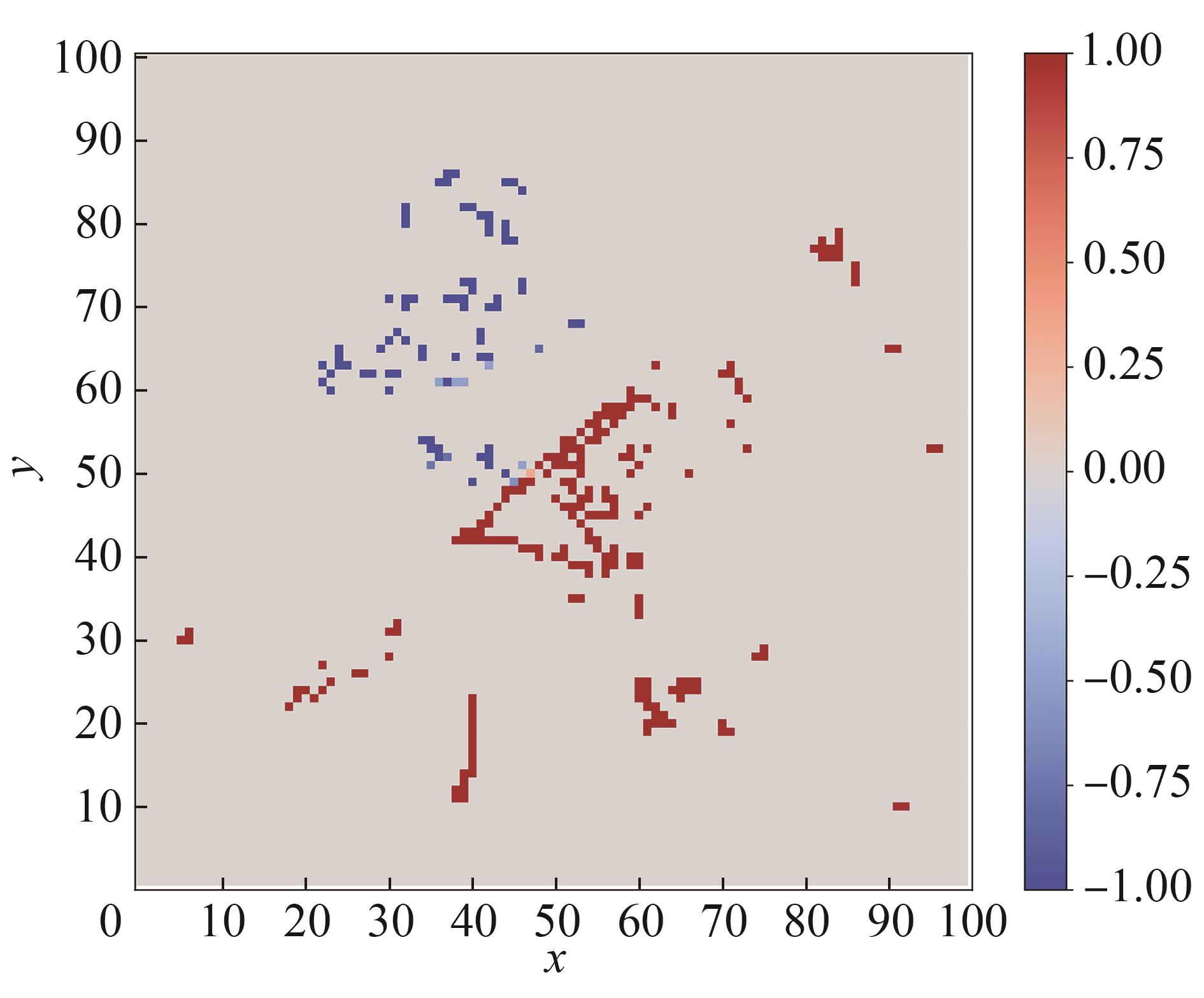
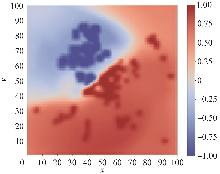
Fig. 14
Heatmap of air superiority after training (ground-truth labels, without interpolation)
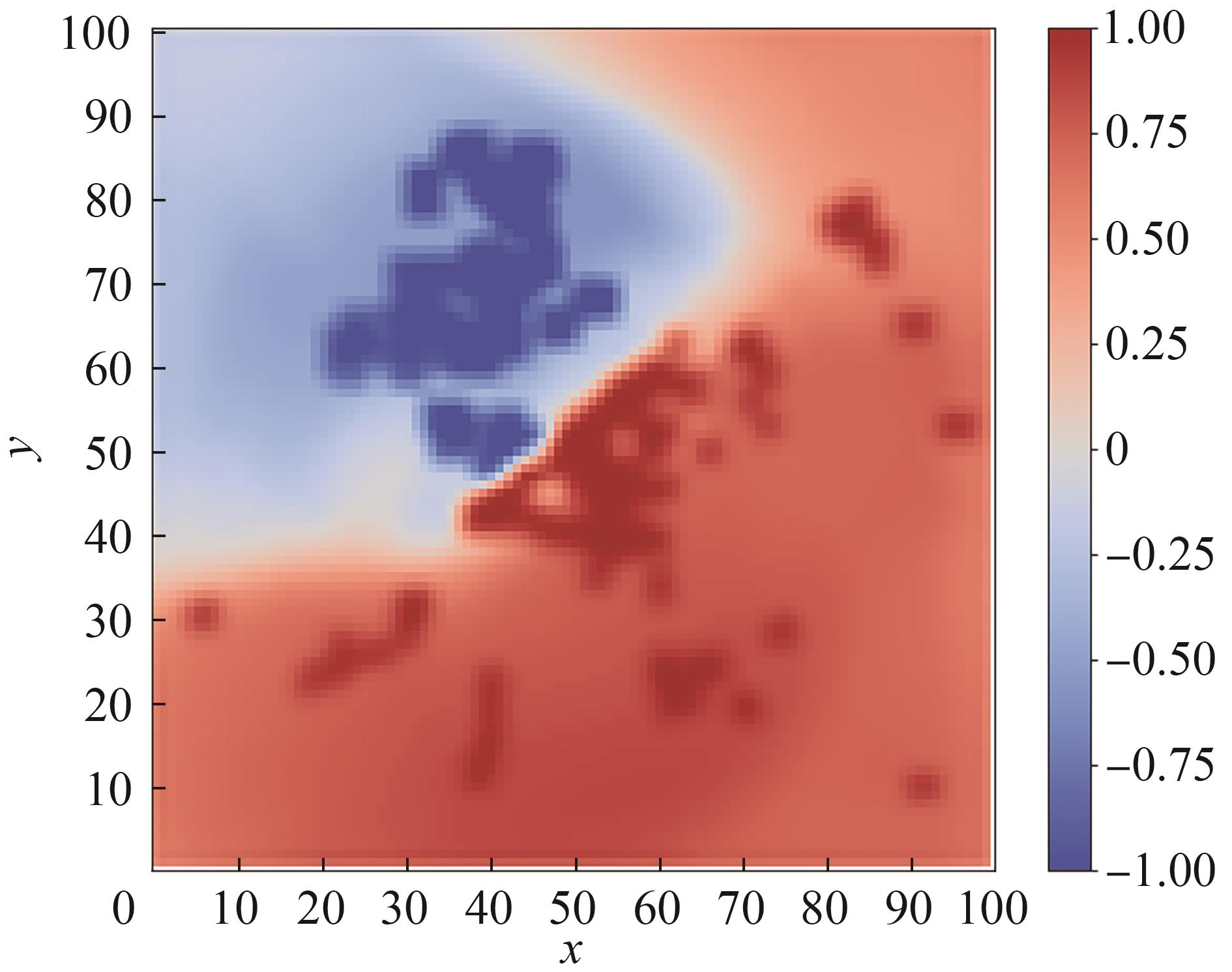
Fig. 15
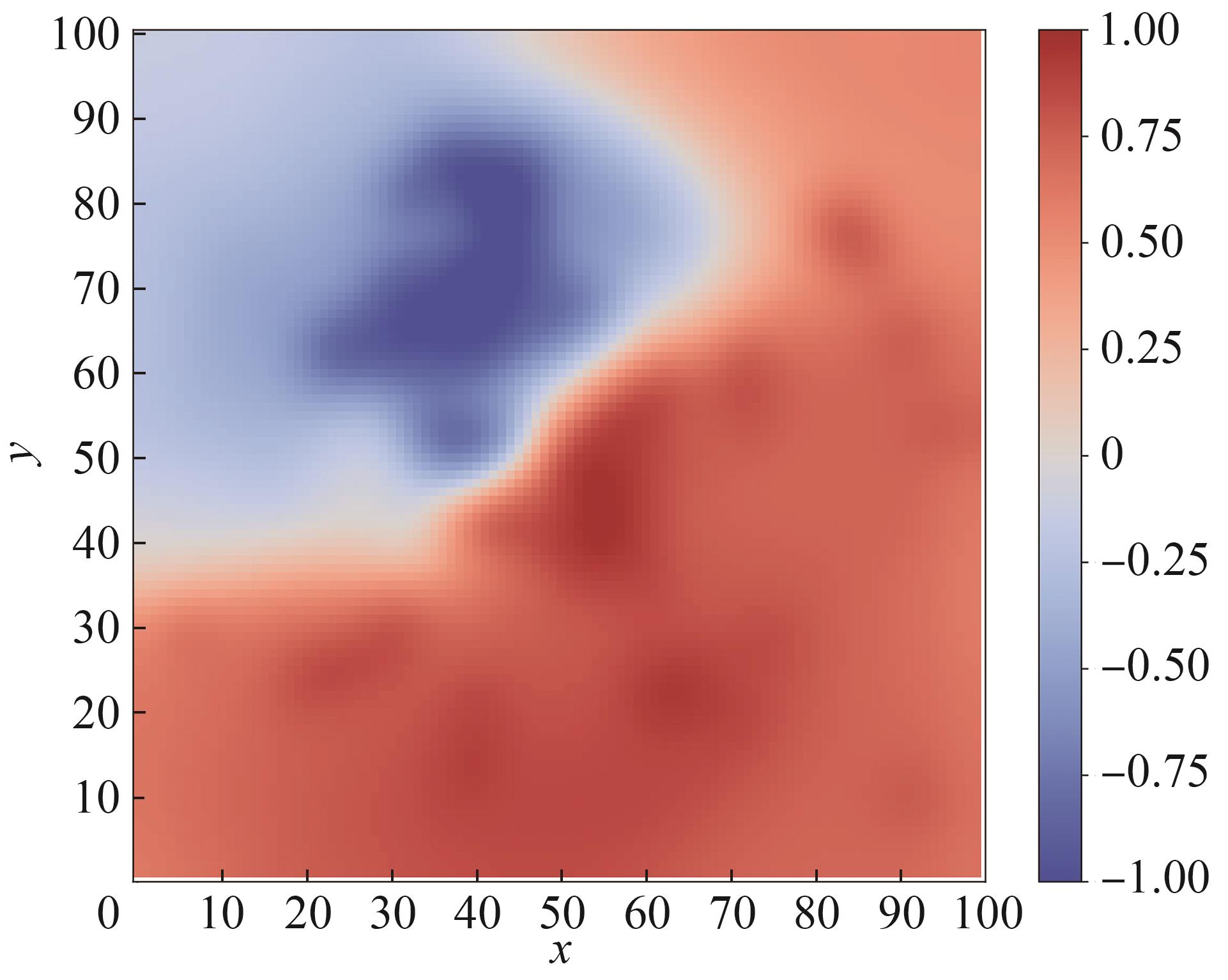
Heatmap of air superiority after training (without ground-truth labels, interpolated and smoothed)
| [1] | Endsley M R. Design and Evaluation for Situation Awareness Enhancement[J]. Proceedings of the Human Factors and Ergonomics Society Annual Meeting, 1988, 32(2): 97-101. |
| [2] | Air Force U.S.. Counterair Operations. Air Force Doctrine Publication 3-01[Z]. Washington: U.S. Air Force. |
| [3] | 朱延广, 张驭龙, 张晓辉, 等. 基于时间影响网络的联合打击方案评估方法[J]. 计算机仿真, 2017, 34(8): 33-38. |
| Zhu Yanguang, Zhang Yulong, Zhang Xiaohui, et al. Assessment of Joint Fire Strike Alternatives Based on Timed Influence Net[J]. Computer Simulation, 2017, 34(8): 33-38. | |
| [4] | 陈敏, 黄谦, 祁文豪, 等. 面向兵棋推演实验的夺取制权行动效果评估研究[J]. 舰船电子工程, 2024, 44(12): 115-120. |
| Chen Min, Huang Qian, Qi Wenhao, et al. Research on the Effectiveness Evaluation of Seizing the Initiative Actions in Wargaming Exercises[J]. Ship Electronic Engineering, 2024, 44(12): 115-120. | |
| [5] | 孙巨为, 贾春雨. 陆军进攻战役防空效率指标及制空权评估[J]. 火力与指挥控制, 2008, 33(4): 138-142. |
| Sun Juwei, Jia Chunyu. Research on Air-defence Efficiency Indexes and Air Domination Evaluation in Offensive Combat of the Army[J]. Fire Control & Command Control, 2008, 33(4): 138-142. | |
| [6] | 韩文生, 邸奇光. 夺取制空权量化分析研究[J]. 军事运筹与系统工程, 2002(4): 47-49. |
| [7] | Uzair Aslam Bhatti, Tang Hao, Wu Guilu, et al. Deep Learning with Graph Convolutional Networks: An Overview and Latest Applications in Computational Intelligence[J]. International Journal of Intelligent Systems, 2023, 2023(1): 8342104. |
| [8] | 袁立宁, 冯文刚, 刘钊. 基于标签传播增强的多通道图卷积网络[J]. 计算机科学, 2024, 51(8): 304-312. |
| Yuan Lining, Feng Wengang, Liu Zhao. Multi-channel Graph Convolutional Networks Enhanced by Label Propagation Algorithm[J]. Computer Science, 2024, 51(8): 304-312. | |
| [9] | Veličković Petar, Cucurull Guillem, Casanova Arantxa, et al. Graph Attention Networks[EB/OL]. (2018-02-04) [2025-07-15].. |
| [10] | Wu F, Souza A, Zhang Tianyi, et al. Simplifying Graph Convolutional Networks[C]//Proceedings of the 36th International Conference on Machine Learning. Chia Laguna Resort: PMLR, 2019: 6861-6871. |
| [11] | Zhao Yunxiang, Qi Jianzhong, Liu Qingwei, et al. WGCN: Graph Convolutional Networks with Weighted Structural Features[C]//Proceedings of the 44th International ACM SIGIR Conference on Research and Development in Information Retrieval. New York: Association for Computing Machinery, 2021: 624-633. |
| [12] | Jin Wei, Derr T, Wang Yiqi, et al. Node Similarity Preserving Graph Convolutional Networks[C]//Proceedings of the 14th ACM International Conference on Web Search and Data Mining. New York: Association for Computing Machinery, 2021: 148-156. |
| [13] | Guo Kan, Hu Yongli, Sun Yanfeng, et al. Hierarchical Graph Convolution Network for Traffic Forecasting[C]//Proceedings of the Thirty-Fifth AAAI Conference on Artificial Intelligence and the Thirty-Third Conference on Innovative Applications of Artificial Intelligence and the Eleventh Symposium on Educational Advances in Artificial Intelligence. Reston: AIAA, 2021: 151-159. |
| [14] | Bei Yuanchen, Chen Weizhi, Chen Hao, et al. Correlation-aware Graph Convolutional Networks for Multi-label Node Classification[C]//Proceedings of the 31st ACM SIGKDD Conference on Knowledge Discovery and Data Mining V.1. New York: Association for Computing Machinery, 2025: 37-48. |
| [15] | You Yuning, Chen Tianlong, Sui Yongduo, et al. Graph Contrastive Learning with Augmentations[C]//Proceedings of the 34th International Conference on Neural Information Processing Systems. Red Hook: Curran Associates Inc., 2020: 5812-5823. |
| [16] | Zhu Yanqiao, Xu Yichen, Yu Feng, et al. Graph Contrastive Learning with Adaptive Augmentation[C]//Proceedings of the Web Conference 2021. New York: Association for Computing Machinery, 2021: 2069-2080. |
| [17] | Hassani Kaveh, Amir Hosein Khasahmadi. Contrastive Multi-view Representation Learning on Graphs[C]//Proceedings of the 37th International Conference on Machine Learning. Reston: AIAA, 2020: 4116-4126. |
| [18] | Raghavan U N, Albert Réka, Kumara S. Near Linear Time Algorithm to Detect Community Structures in Large-scale Networks[J]. Physical Review E, 2007, 76(3): 036106. |
| [19] | Jia Junteng, Benson A R. A Unifying Generative Model for Graph Learning Algorithms: Label Propagation, Graph Convolutions, and Combinations[J]. SIAM Journal on Mathematics of Data Science, 2022, 4(1): 100-125. |
| [20] | Wang Hongwei, Leskovec J. Combining Graph Convolutional Neural Networks and Label Propagation[J]. ACM Transactions on Information Systems, 2022, 40(4): 73. |
| [21] | Ghayekhloo Mohadeseh, Nickabadi Ahmad. CLP-GCN: Confidence and Label Propagation Applied to Graph Convolutional Networks[J]. Applied Soft Computing, 2023, 132: 109850. |
| [22] | Li Liang, Zhou Jianye, Jiang Yuewen, et al. Propagation Source Identification of Infectious Diseases with Graph Convolutional Networks[J]. Journal of Biomedical Informatics, 2021, 116: 103720. |
| [23] | 毛翔, 褚睿, 邢蓬宇. 美军作战评估理论与实践[M]. 北京: 知识产权出版社, 2017. |
| Mao Xiang, Chu Rui, Xing Pengyu. US Armed Forces Operational Assessment Theory and Practice[M]. Beijing: Intellectual Property Publishing House, 2017. | |
| [24] | 袁艺, 张玉军, 李志飞. 把握即时优势制胜的要义[EB/OL]. (2022-10-28) [2025-08-08]. . |
| [25] | 梁荣晓, 司光亚, 王艳正, 等. 基于作战势和优势窗口的网络空间作战效能评估方法[J]. 指挥与控制学报, 2023, 9(6): 742-752. |
| Liang Rongxiao, Si Guangya, Wang Yanzheng, et al. Evaluation Method of Combat Effectiveness in Cyberspace Based on Combat Potential and Superiority Window[J]. Journal of Command and Control, 2023, 9(6): 742-752. | |
| [26] | 中国人民解放军军事科学院国防科技创新研究院. 可计算即时优势窗口形式化表征方法及装置: CN202311239400.3[P]. 2023-10-31. |
| [27] | 中国人民解放军军事科学院国防科技创新研究院. 基于人工经验的即时优势窗口挖掘方法及装置: CN202311239334.X[P]. 2023-10-31. |
| [28] | Hu Yang, You Haoxuan, Wang Zhecan, et al. Graph-MLP: Node Classification without Message Passing in Graph[EB/OL]. (2021-06-08) [2025-08-16]. . |
| [29] | Hamilton W L, Ying R, Leskovec J. Inductive Representation Learning on Large Graphs[C]//Proceedings of the 31st International Conference on Neural Information Processing Systems. Red Hook: Curran Associates Inc., 2017: 1025-1035. |
| [30] | Zhou Dengyong, Bousquet Olivier, Thomas Navin Lal, et al. Learning with Local and Global Consistency[C]//Proceedings of the 17th International Conference on Neural Information Processing Systems. Cambridge: MIT Press, 2003: 321-328. |
| [31] | Jiang Bo, Zhang Ziyan, Lin Doudou, et al. Semi-supervised Learning with Graph Learning-convolutional Networks[C]//2019 IEEE/CVF Conference on Computer Vision and Pattern Recognition (CVPR). Piscataway: IEEE, 2019: 11305-11312. |
| [1] | Huang Deqi, Tu Yating, Zhang Zhenhua, Guo Xin. Modeling and Simulation of Traffic Signal Control Based on MLP with Improved GCN-TD3 [J]. Journal of System Simulation, 2025, 37(10): 2568-2577. |
| [2] | Chen Shikang, Wang Zhimin, Liang Biao, Gu Kunren, Song Keman, Gao Yuan. Modeling Method of Blue Army Warship Formation Air Defense Command and Control for System-of-systems Simulation [J]. Journal of System Simulation, 2024, 36(10): 2246-2256. |
| [3] | Kai Zhang, Haipeng Lu, Ying Han, Lingyun Zhang, Yujie Ding. Short-term Vehicle Speed Prediction With Spatiotemporal Convolution Fused With Variational Modal Decomposition [J]. Journal of System Simulation, 2023, 35(8): 1651-1660. |
| [4] | Shuyuan Liu. An Algorithm for Obtaining Interception Guidance Routes Weighted by Threat Indexes [J]. Journal of System Simulation, 2023, 35(5): 971-978. |
| [5] | Wang Haoyu, Gong Guanghong, Cai Jihong, Ye Bipeng, Zhou Zhaofang, Mei Zheng, Li Ni. Dynamic 3D Scene Perception Based on Battlefield Metaverse [J]. Journal of System Simulation, 2023, 35(10): 2262-2278. |
| [6] | Dayong Zhang, Jingyu Yang, Xi Wu. Research on Intelligent Prediction Method of Wargaming Air Mission [J]. Journal of System Simulation, 2023, 35(1): 212-220. |
| [7] | He Xiaoyuan, Guo Shengming, Wu Lin, Li Dong, Xu Xiao, Li Li. Modeling Research of Cognition Behavior for Intelligent Wargaming [J]. Journal of System Simulation, 2021, 33(9): 2037-2047. |
| [8] | Hu Yue, Xu Kai, Qin Long, Yin Quanjun, Zha Yabing. Spatio-Temporal Memory Models in Spatial Cognitive Behavioral Modeling [J]. Journal of System Simulation, 2021, 33(2): 249-261. |
| [9] | Xu Kai, Zeng Yunxiu, Wu Wansen, Yin Quanjun, Zha Yabing. Research on CGF-oriented Intention Recognition Behavioral Modeling Framework [J]. Journal of System Simulation, 2021, 33(10): 2344-2355. |
| [10] | Tao Jiuyang, Wu Lin, He Xiaoyuan, Rong Ming. Modeling and Simulation on Entities’ Belief in Cyberspace [J]. Journal of System Simulation, 2018, 30(9): 3255-3263. |
| [11] | Tao Jiuyang, Wu Lin, Wang Chi, Chu Junda, Liao Ying, Zhu Feng. A Model for Battlefield Situation Change Rate Prediction Based on Deep Learning [J]. Journal of System Simulation, 2018, 30(3): 785-792. |
| [12] | Tang Zaijiang, Xue Xiangzhong, Xue Qin. Extensible Battle Management Ontology Language [J]. Journal of System Simulation, 2018, 30(11): 4220-4226. |
| [13] | Wu Wenfeng, Zhang Yu, Rong Ming. Intelligent Technology of Command and Control System in the RTS Perspective [J]. Journal of System Simulation, 2018, 30(11): 4158-4171. |
| [14] | Kong Yisi, Hu Xiaofeng, Zhu Feng, Tao Jiuyang. Attention Mechanism in Battlefield Situation Awareness [J]. Journal of System Simulation, 2017, 29(10): 2233-2241. |
| Viewed | ||||||
|
Full text |
|
|||||
|
Abstract |
|
|||||
 http://www.china-simulation.com

