

Journal of System Simulation ›› 2026, Vol. 38 ›› Issue (8): 2223-2249.doi: 10.16182/j.issn1004731x.joss.25-0913E
• Papers • Previous Articles Next Articles
Liu Xiaofeng1,2,3, Jiang Chengze4, Chen Xingyu1,2,3, Jiang Deyin5, Shang Bolin1,2,3, Song Bifeng1,2,3
Received:2025-09-18
Revised:2025-12-26
Online:2026-08-28
Published:2026-08-31
Contact:
Shang Bolin
About author:Liu Xiaofeng (1968-), male, researcher, PhD, research area: aircraft design and manufacturing.
Supported by:CLC Number:
Liu Xiaofeng, Jiang Chengze, Chen Xingyu, Jiang Deyin, Shang Bolin, Song Bifeng. A Method for Assessing the Contribution Degree of an Aviation Delivery System and Identifying Key Equipment[J]. Journal of System Simulation, 2026, 38(8): 2223-2249.
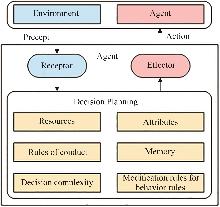
Fig. 1
Agent conceptual model
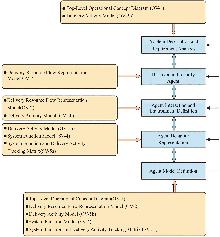
Fig. 2
Design process of Agent-based simulation model for aviation delivery systems
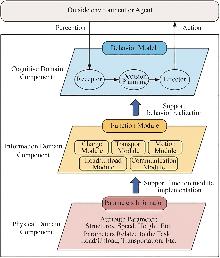
Fig. 3
Agent model structure
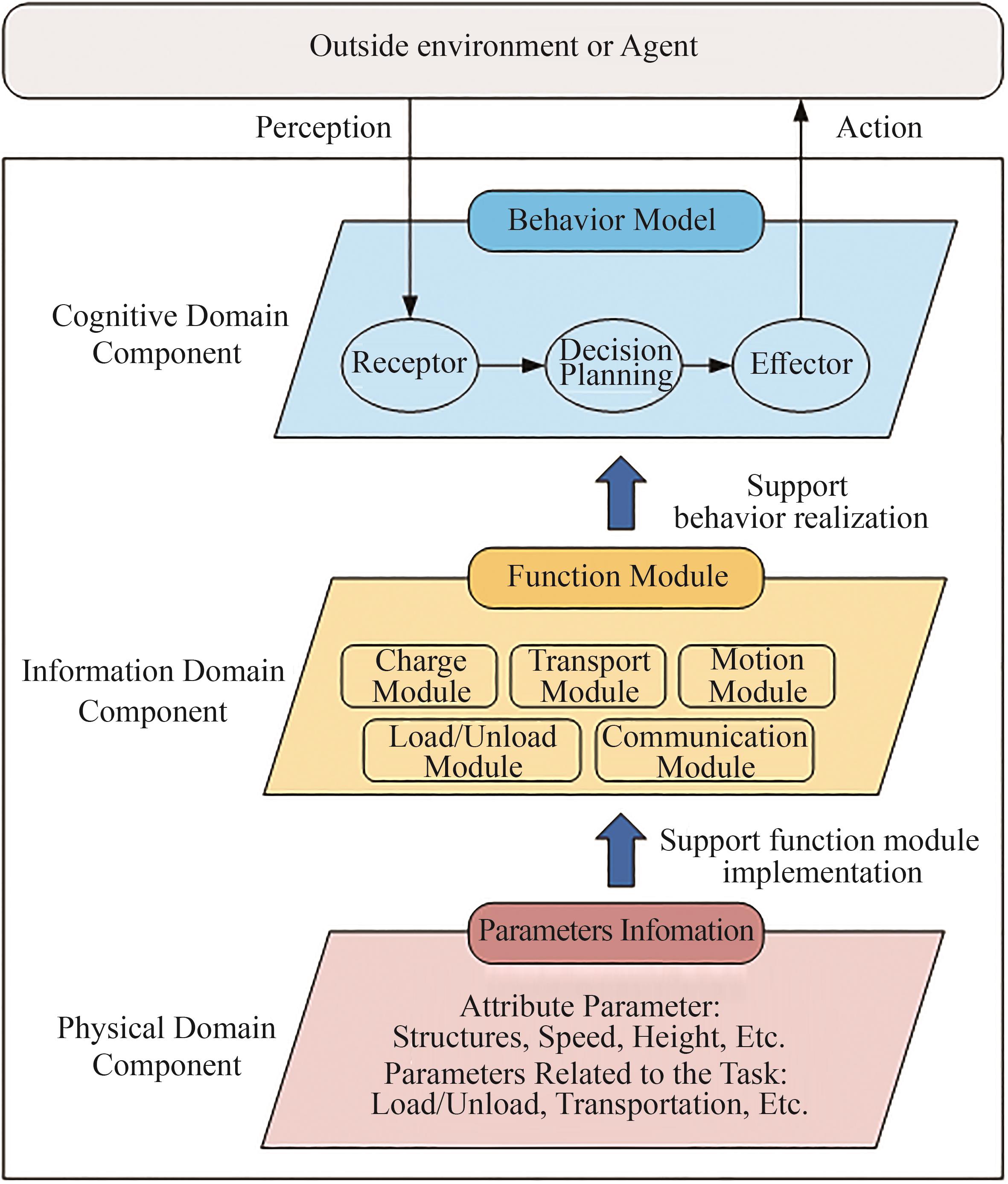
Fig. 4
Abstract hierarchy of delivery task system
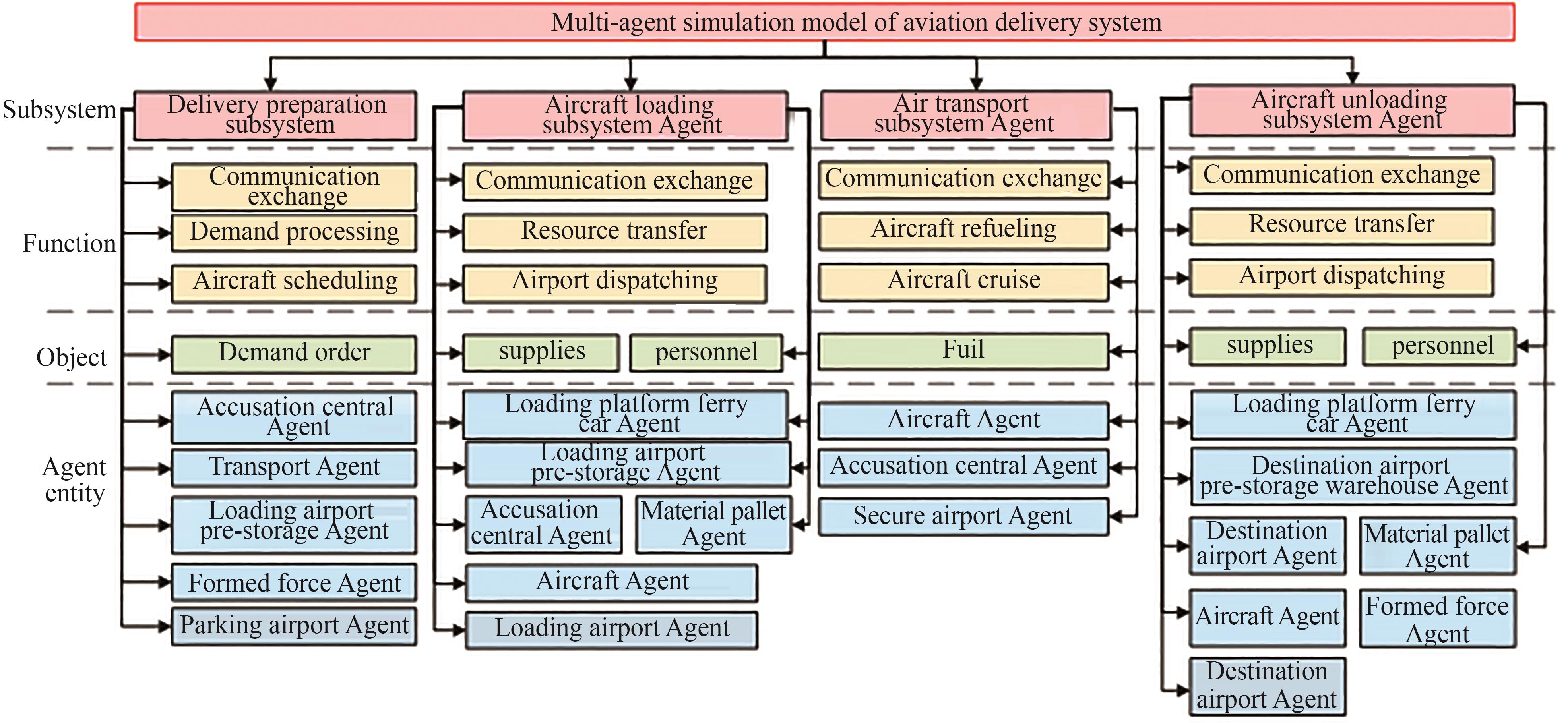
Fig. 5
Evaluation index of aviation delivery system effectiveness
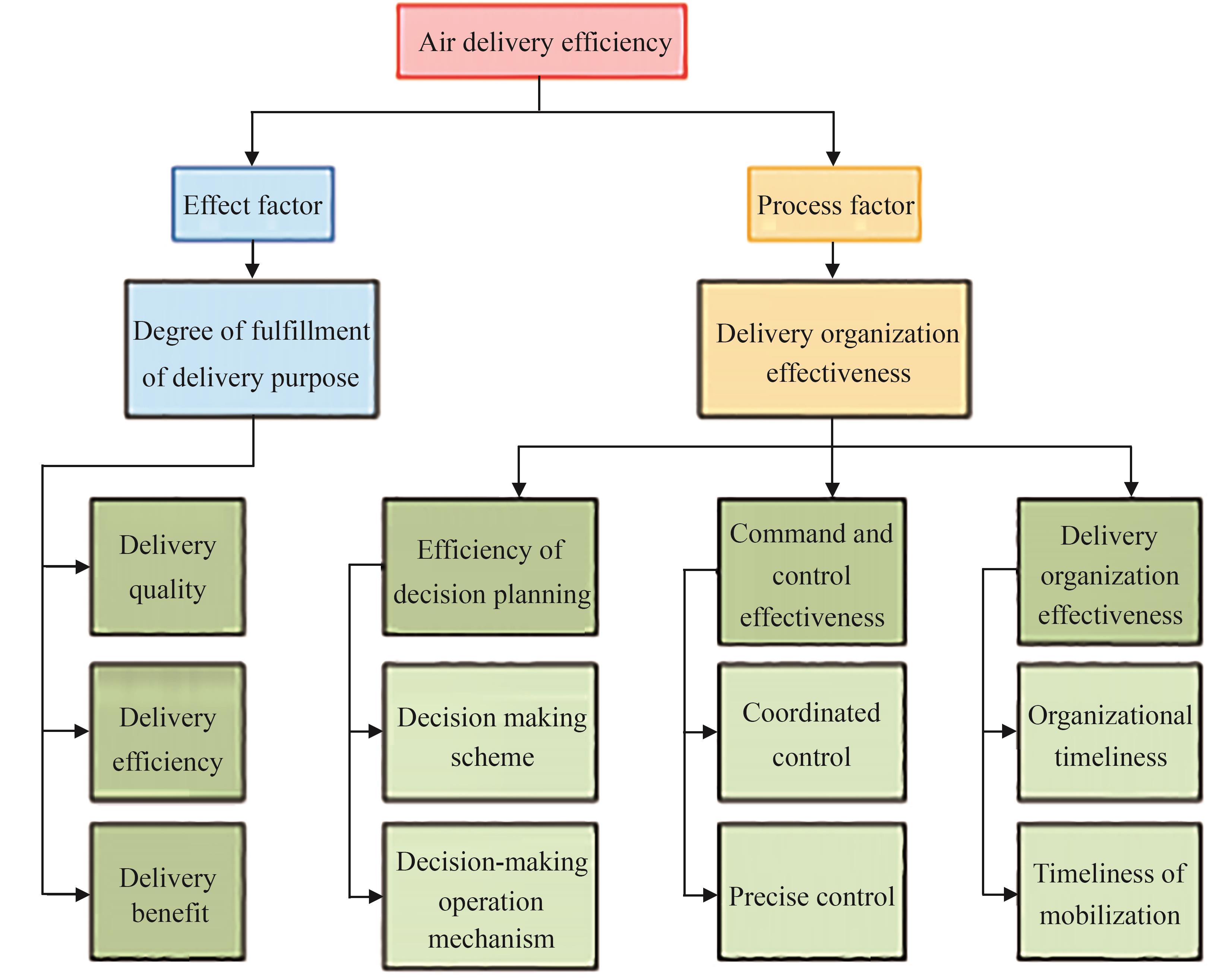
Fig. 6
Application process of key equipment identification method based on ABMS and contribution evaluation
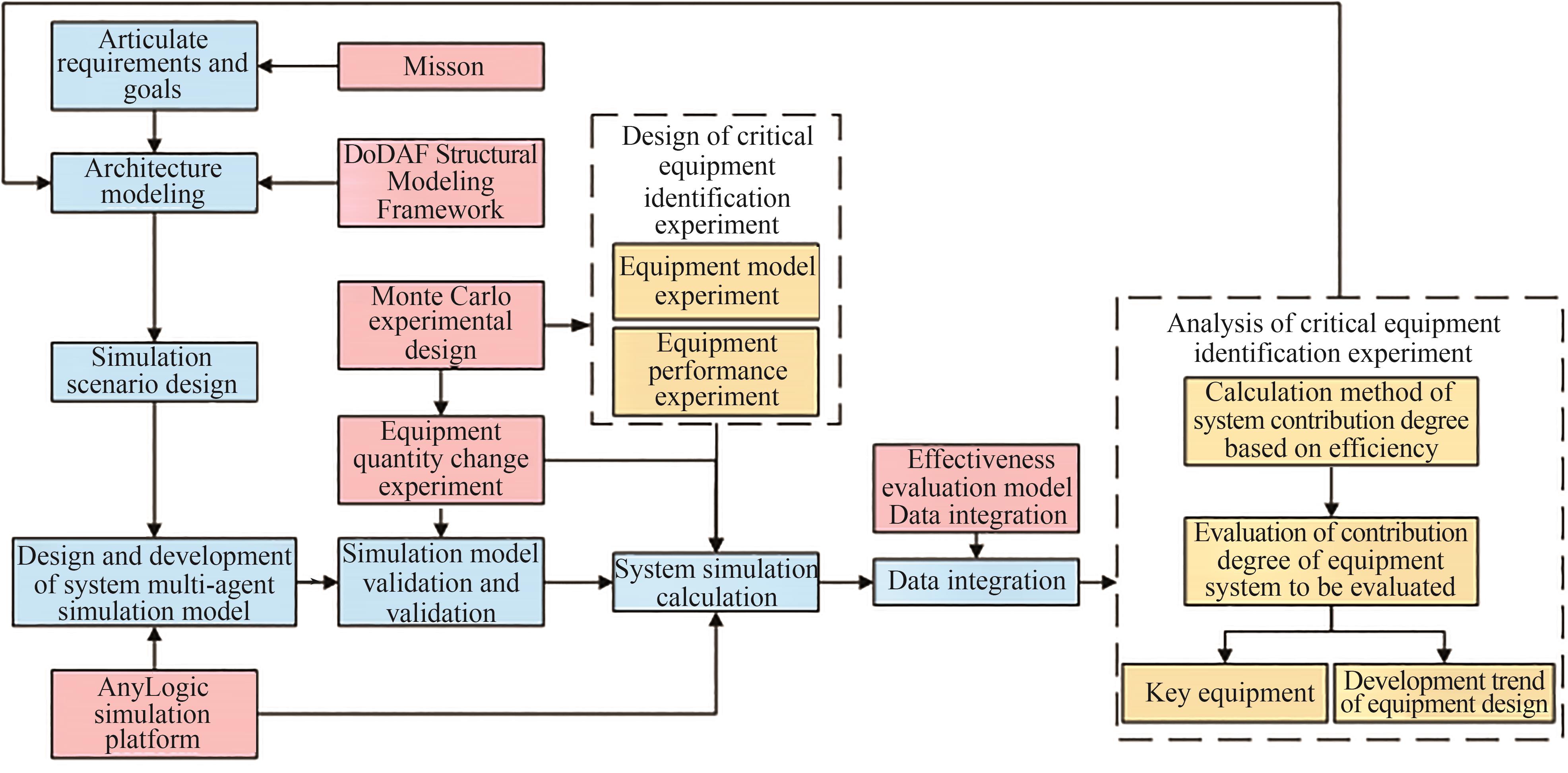
Fig. 7
Complete data flow and computational chain schematic diagram
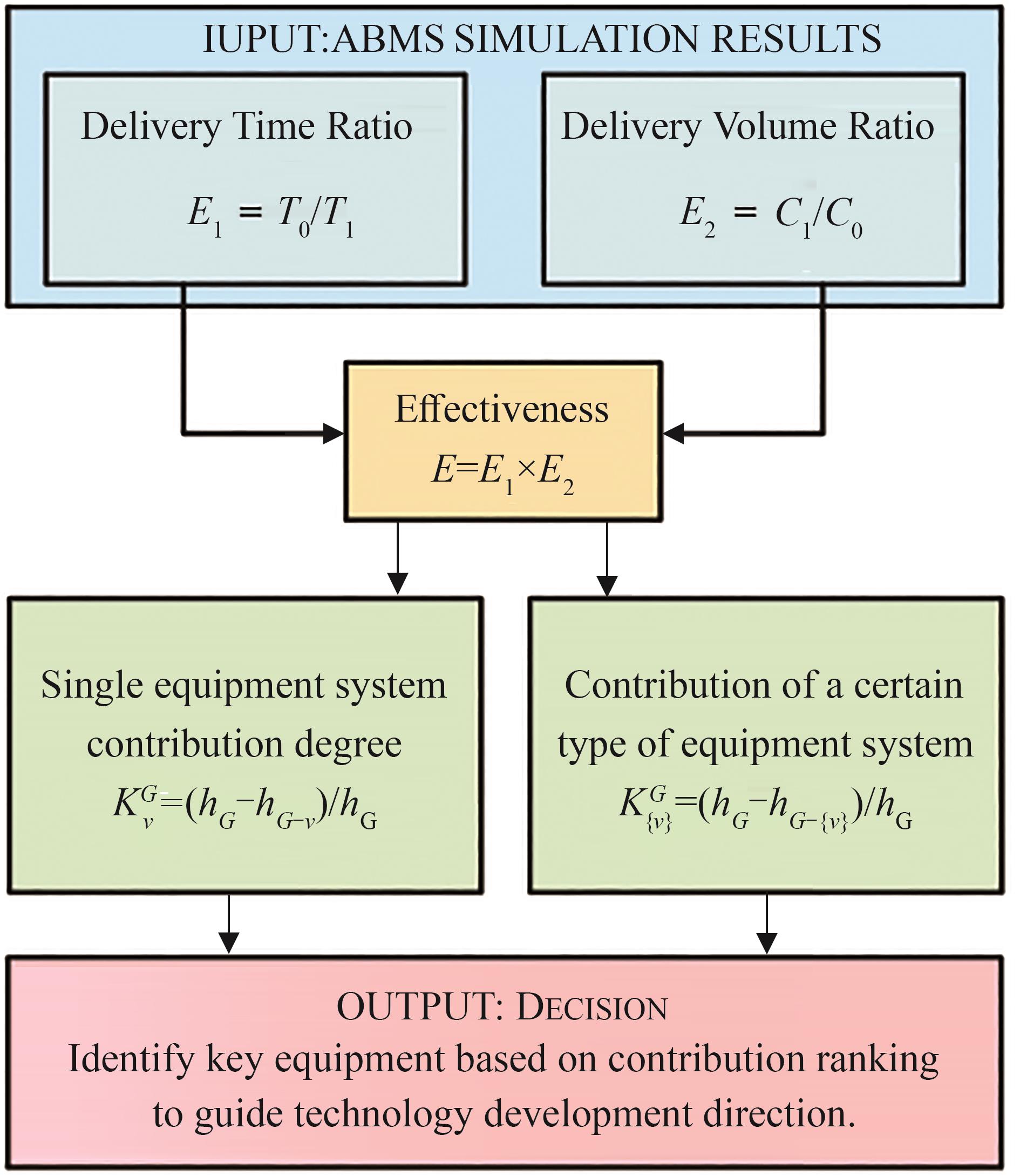
Fig. 8
Intercontinental long-range aviation delivery scenario
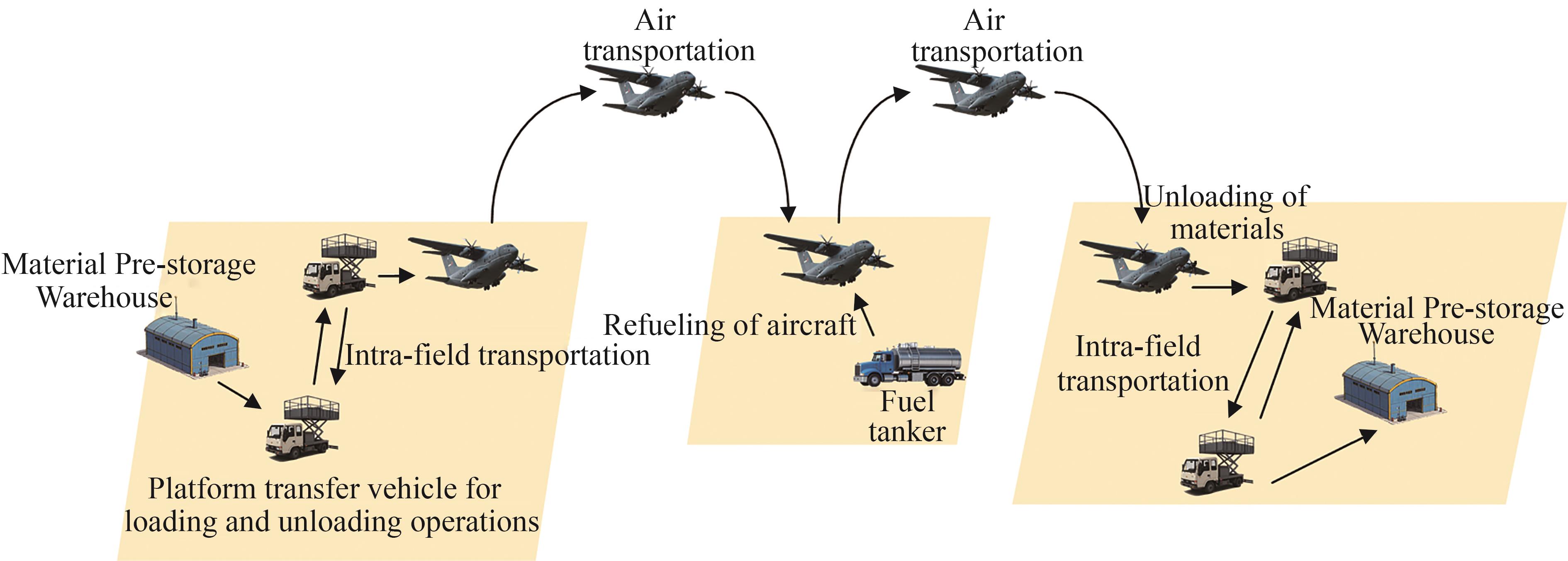
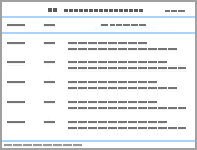
Table 1
Simulation parameters
| Objects | Parameters | Numerical value |
|---|---|---|
| Sub-strategic transport aircraft | Cruising speed/(km/h) | 750 |
| Maximum load | 60 t/200 men (0.11 t/person) | |
| Voyage | 4 200 km fully loaded | |
| Amount of oil/ t | 84 | |
| Loading and unloading time for individual supply pallet | Triangular(20, 30, 25) min | |
| Maximum number of trays to carry | 60 | |
| Heavy strategic transport aircraft | Cruising speed/(km/h) | 800 |
| Maximum load/t | 120 | |
| Voyage | 4 000 km fully loaded | |
| Amount of oil/t | 230 | |
| Loading and unloading time for individual supply pallet | Triangular (20, 30, 25) min | |
| Maximum number of trays to carry | 120 | |
| Loading platform shuttles | Carrying capacity/t | 10 |
| Conveyor belt speed(m/s) | 0.1 | |
| Length/m | 12.6 | |
| Maximum number of pallets carrying supplies | 10 | |
| Preparation time before loading and unloading | Triangular (1, 2, 1.5) min | |
| Airdrop mission plan | Material requirements/t Mission time/h | 3 000 96 |
| Environment | Distance between loading airfield and securing airfield/km | 3 153 |
| Distance between securing airfield and destination airfield/km | 3 313 | |
| Total voyage/km | 6 466 | |
| Aircraft take-off interval/min | ≥10 | |
| Time of arrival at the loading airfield | uniform_discr (15,20) min | |
| Take-off/landing time of the transport aircraft | uniform_discr (15,20) min | |
| Securing airfield | Amount of sub-strategic transport aircraft | 10 |
| Amount of heavy strategic transport aircraft | 6 | |
| Loading airfield | Amount of loading platform shuttles | 5 |
| Transferring time from warehouse to loading area | uniform_discr (6, 10) min | |
| Unloading airfield | Amount of loading platform shuttles | 5 |
| Transferring time from warehouse to loading area | uniform_discr (7, 13) min | |
| Supply tray | Weight/t | 1 |
| Size/ m | 1.0×1.2×1.5 |
Table 2
Experimental design for Experiment Ⅲ
| Index variables | Minimum | Maximum | Step size | Number of experiment points |
|---|---|---|---|---|
| Speed v/(km/h) | 800 | 900 | 10 | 11 |
| Load m/t | 120 | 180 | 10 | 7 |
Table 3
Experimental design for Experiments IV-VI
| Experiment | Gear changes | Amount of simulation of experiment point |
|---|---|---|
| A | Original equipment system | 100 |
| B | Standardization of loading platform ferries | 100 |
| C | The loading and unloading time of transport aircraft is shortened to 1-2 h | 100 |
| D | The loading and unloading time of transport aircraft is shortened to 1-2 h, and the loading and unloading platform shuttles are standardized | 100 |
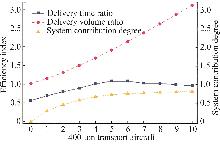
Fig. 9
System efficiency and system contribution degree of different number of transport aircraft
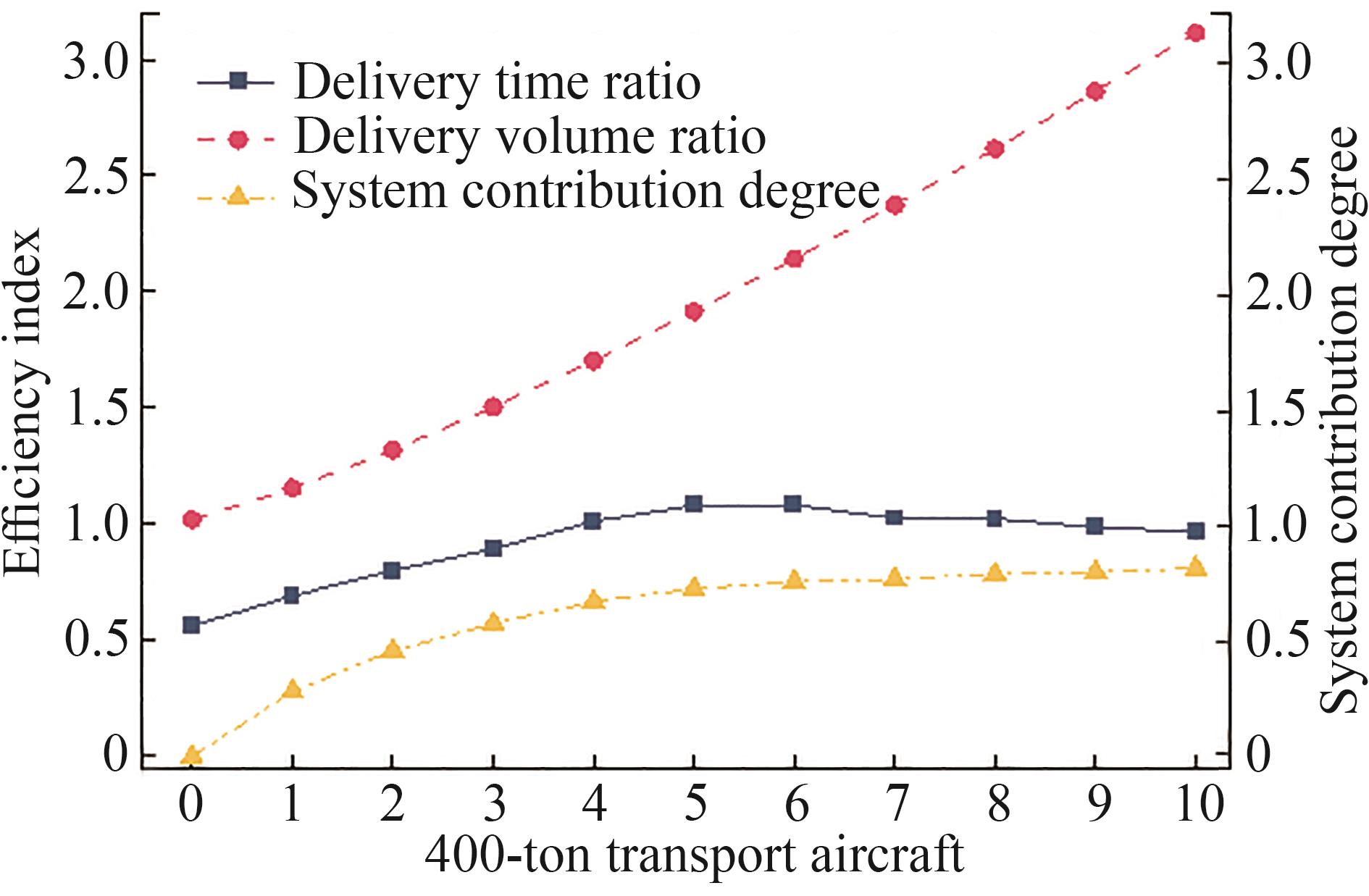
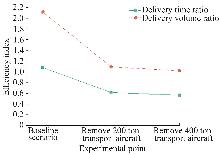
Fig. 10
Change chart of experimental efficiency index for comparison of equipment models
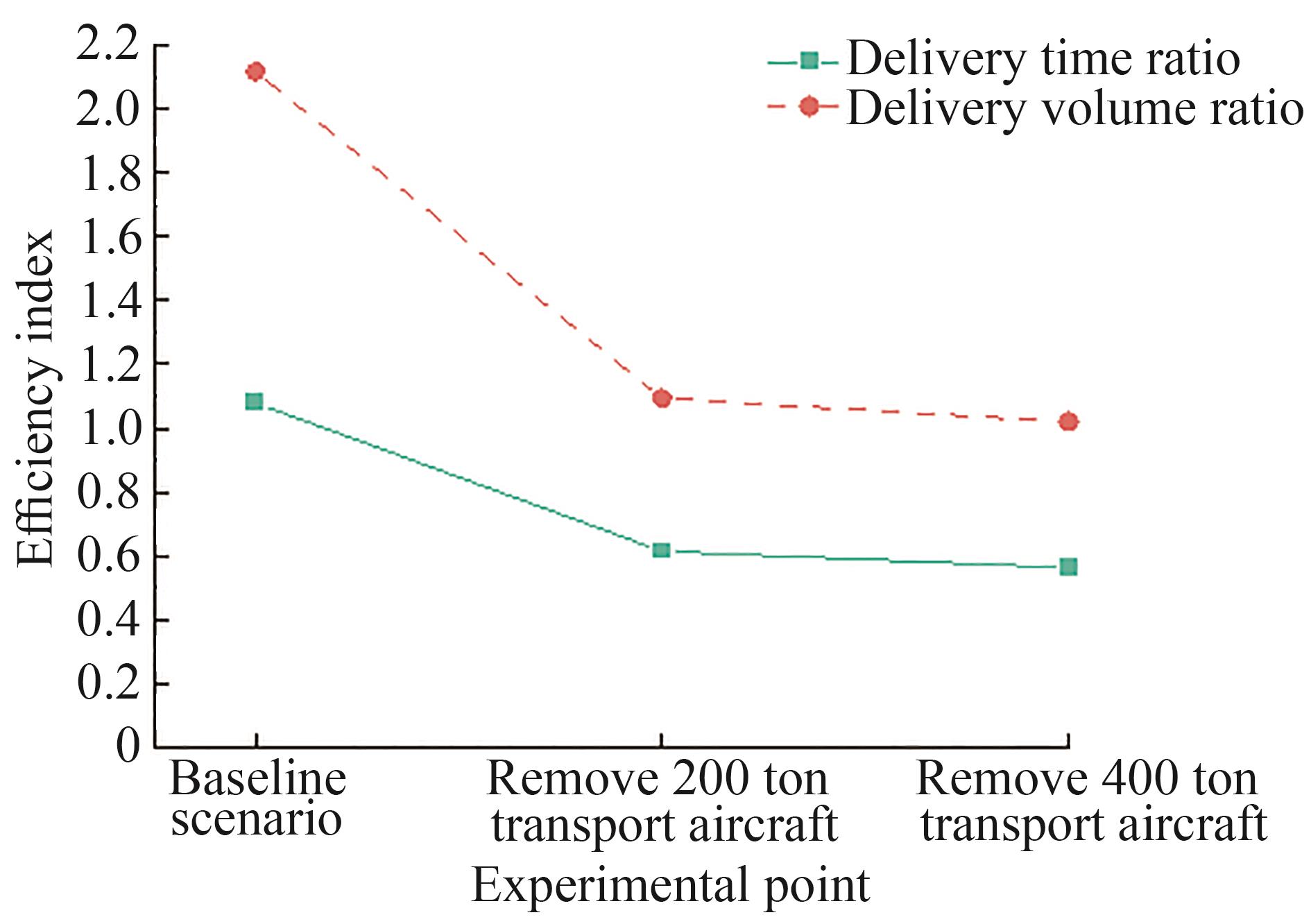
Fig. 11
Variation diagram of contribution degree of equipment model comparison experiment system
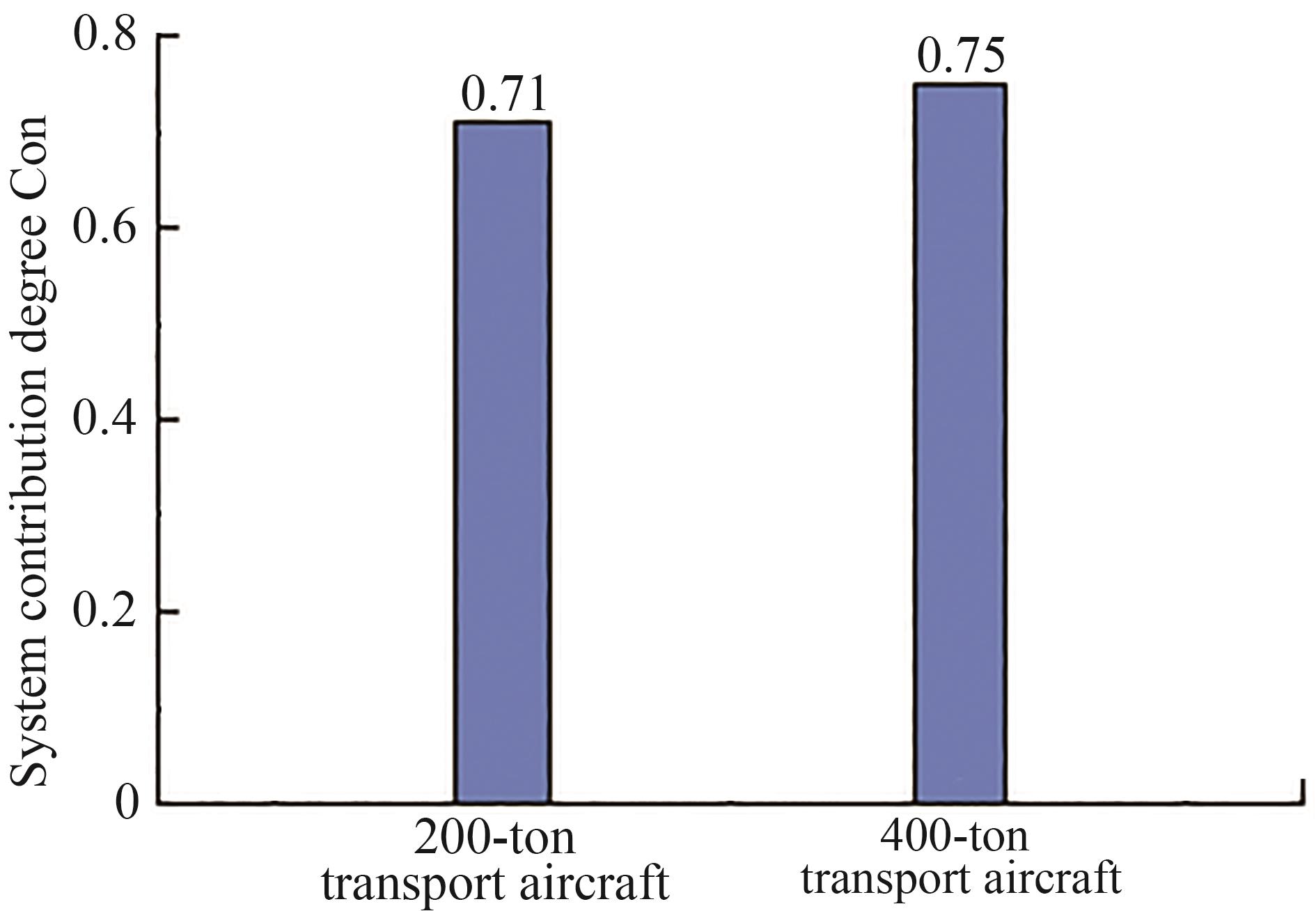
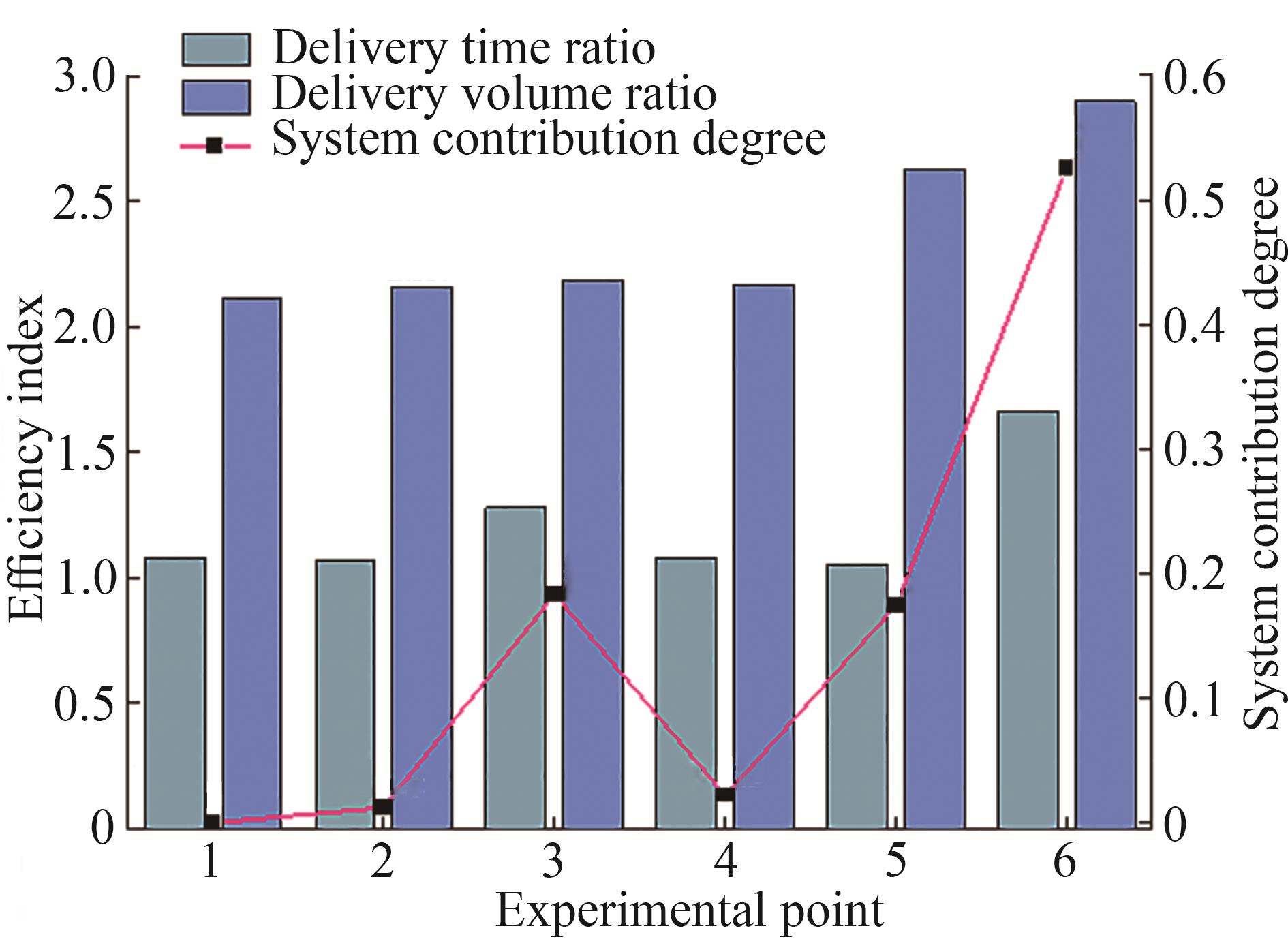
Fig. 12
Delivery time ratio
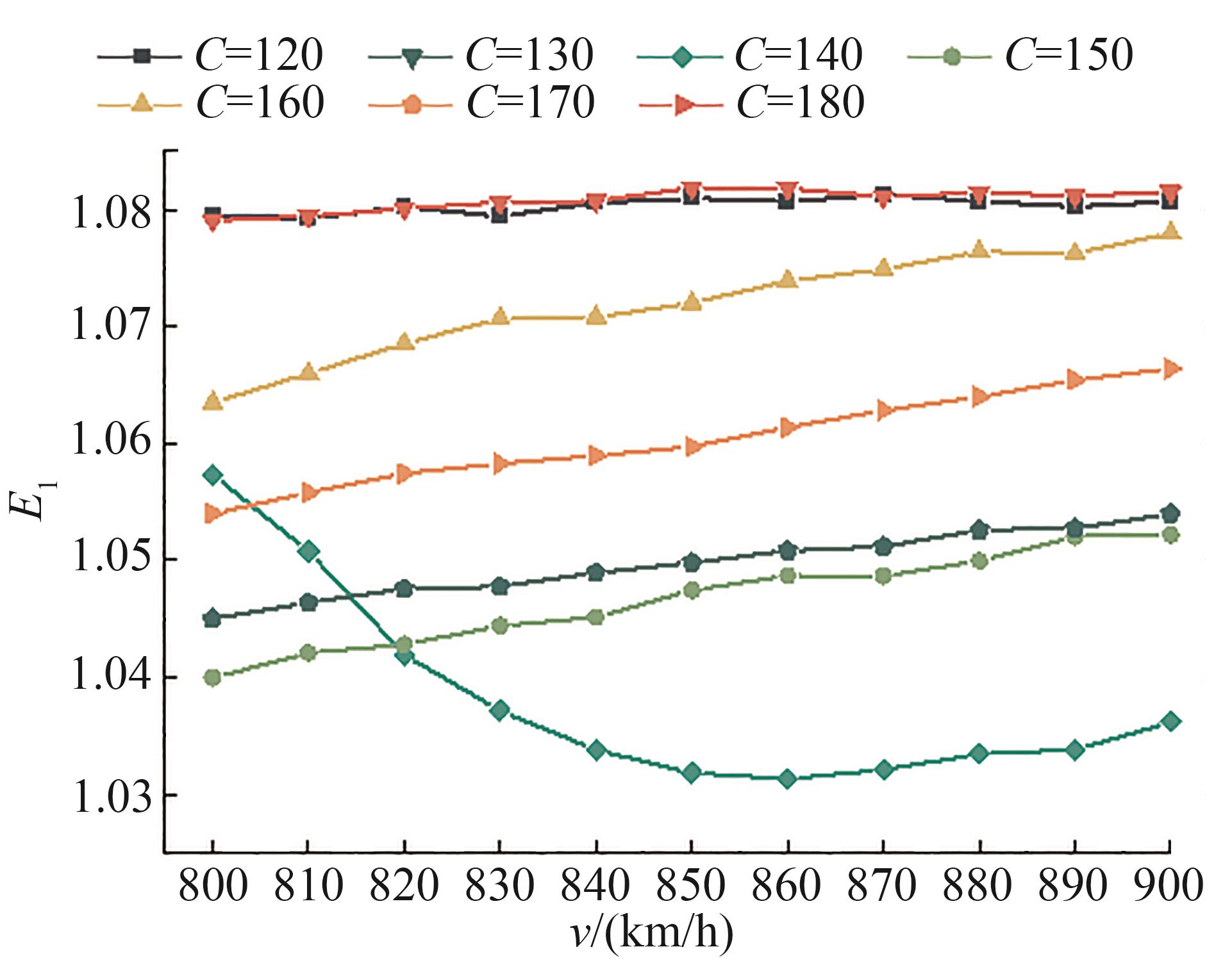
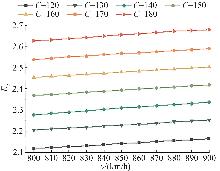
Fig. 13
Delivery volume ratio
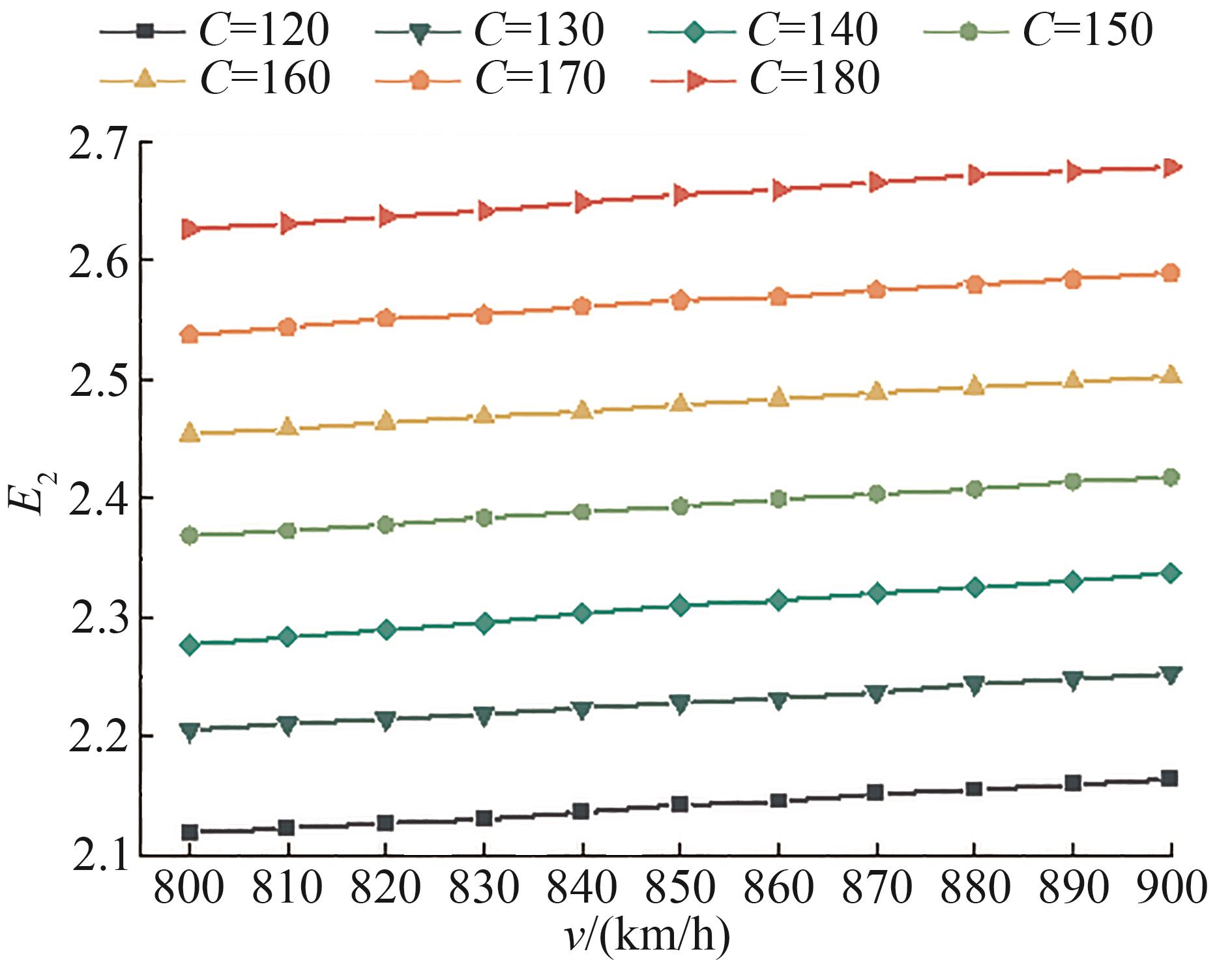
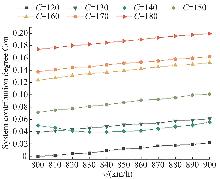
Fig. 14
System contribution degree
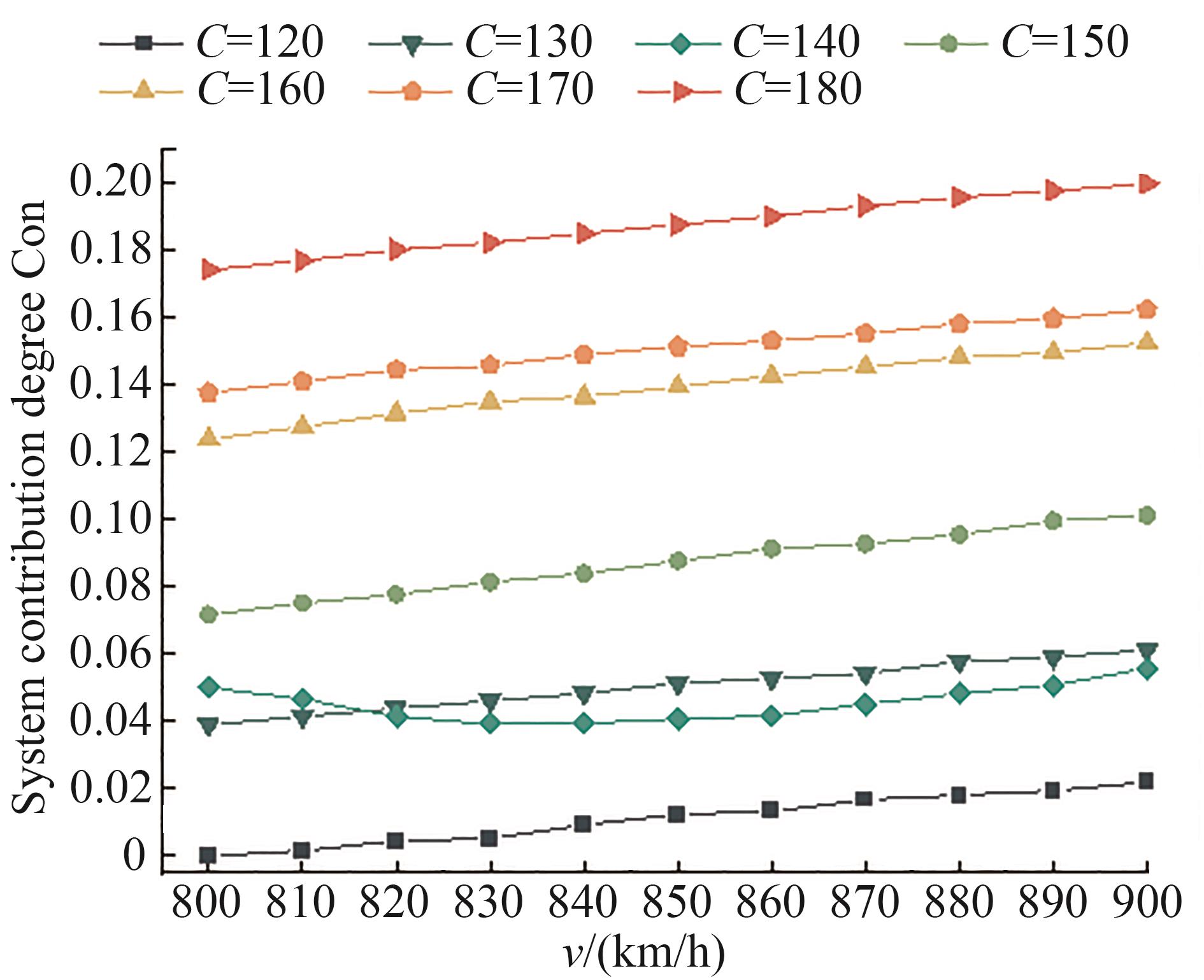
Table 4
Comparative analysis of experimental points
| Experimental sites | Equipment changes |
|---|---|
| 1 | Original equipment system |
| 2 | Standardized loading platform shuttles |
| 3 | The loading and unloading time of transport vehicles has been shortened to 1-2 h |
| 4 | The maximum load of the transport aircraft is 120 t, and the speed is 900 km/h |
| 5 | The maximum load of the transport aircraft is 180 t, and the speed is 800 km/h |
| 6 | The loading and unloading time of the transport aircraft is shortened to 1-2 h, and the loading and unloading platform is standardized. The maximum load of the transport aircraft is 180 t, and the speed is 900 km/h |
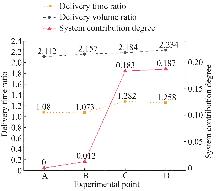
Fig. 15
Performance index and system contribution degree change chart
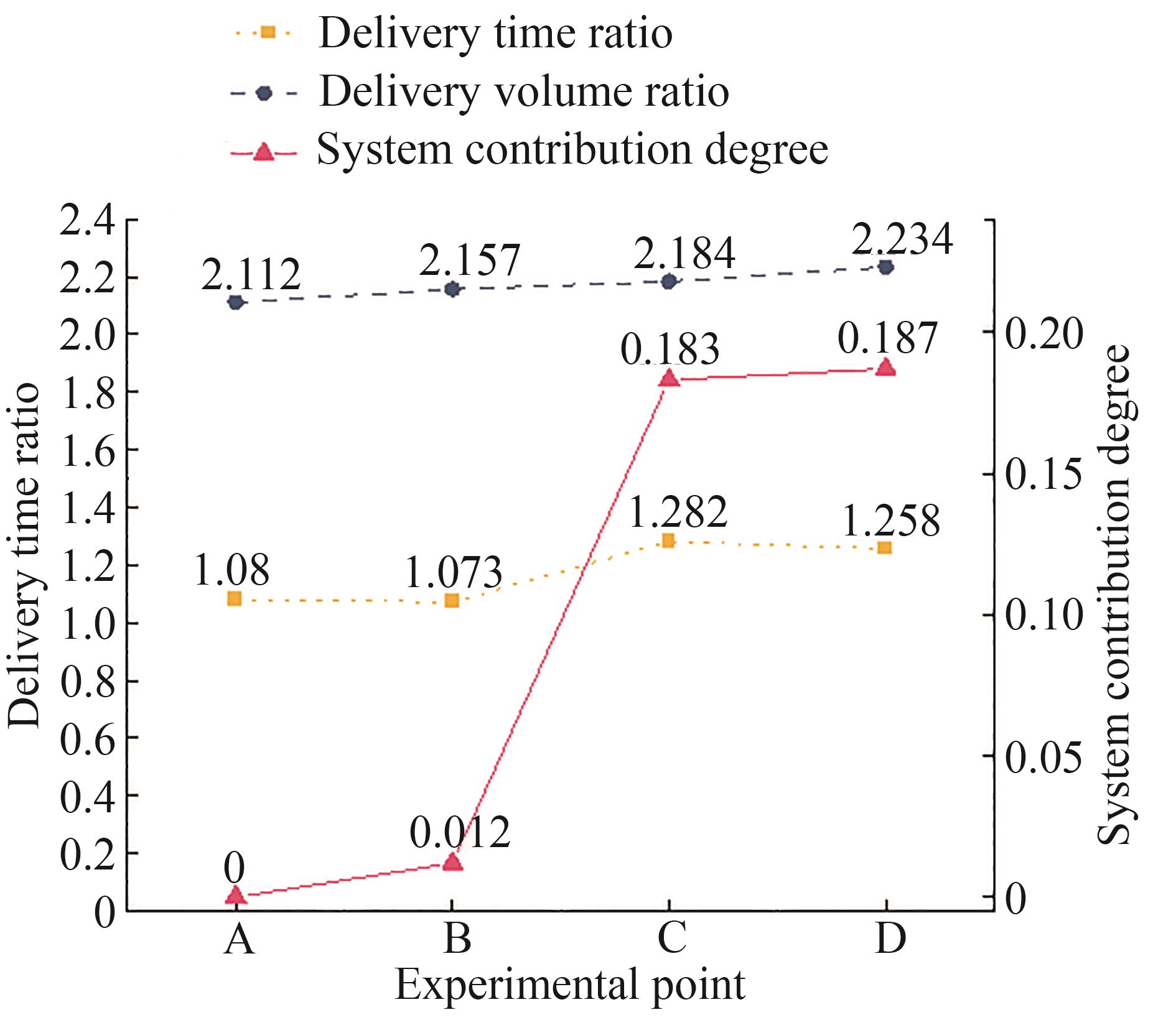
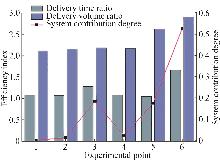
Fig. 16
Comparison of changes in four performance parameters
| [1] | Du Min, Cheng Zhonghua, Dong Enzhi. Summary of Equipment System Contribution Rate Evaluation[J]. Modern Defence Technology, 2022, 50(1): 7-18. |
| [2] | Zhou Haiying, Shen Yongmei, Hu Yingying. Construction of Unmanned Transportation Equipment in the US Army and Its Enlightenment[J]. Journal of Military Transportation, 2023, 2(4): 69-72. |
| [3] | Chang Gang, Yuan Dechun, Zhang Chao. Development and Enlightenment of Air Delivery Equipment Construction in US Army[J]. Journal of Military Transportation University, 2020, 22(6): 13-16. |
| [4] | Hu Yingying, Guan Qunsheng, Liang Changkun, et al. Development and Enlightenment of Air Transportation Equipment Construction of Russian Army[J]. Journal of Military Transportation, 2023, 2(3): 74-77. |
| [5] | Hu Wenjuan, Zhang Bo. Design and Research of Aviation Material Delivery System[J]. Computer and Network, 2024, 50(6): 471-475. |
| [6] | Dong Zejun, Zhang Yanxiu, Yun Chao, et al. Research on the Framework of Electronic Information Equipment Evaluation Index System Based on System Contribution Rate[J]. Computer Measurement & Control, 2025, 33(1): 311-316, 324. |
| [7] | Bjorkman E A, Gray F B. Results of Distributed Tests with Integrated Live-virtual-constructive Elements: The Road to Testing in a Joint Environment[J]. ITEA Journal, 2009, 30: 73-83. |
| [8] | Kometer M, Burkhart K, McKee S, et al. From Basics to System of Systems Capabilities-back to the Future[C]//U.S. Air Force T&E Days. Reston: American Institute of Aeronautics and Astronautics, 2008. |
| [9] | M G M. Complexity and Complex Adaptive System[M]. Redwood City: Santa Fe Institute Studies in the Sciences of Complexity, 1992. |
| [10] | Wu Beiping, He Jing, Dang Huiying, et al. Evaluation of Contribution Rate of Anti Drone Combat System Based on Combat Loop[J]. Systems Engineering and Electronics, 2025, 47(7): 2267-2274. |
| [11] | Xu Xinghua, Shang Tongfei, Li Bo. Research on Synchronization Mechanism of Parallel Time Propulsion Based on ABMS Overlap Area[J]. Procedia Computer Science, 2020, 166: 381-384. |
| [12] | Fan Wenhui, Chen Peiyu, Shi Daiming, et al. Multi-agent Modeling and Simulation in the AI Age[J]. Tsinghua Science and Technology, 2021, 26(5): 608-624. |
| [13] | Pu Wei, Li Xiong. Modularization Structure Design for Warfare Simulation Agent Based on Capability Component[J]. Complex Systems and Complexity Science, 2017, 14(3): 45-57, 84. |
| [14] | Ilachinski A. Irreducible Semi-autonomous Adaptive Combat (ISAAC): An Artificial-life Approach to Land Combat[R]. Alexandria, VA: Center for Naval Analyses, 1997, CRM 97-61. |
| [15] | Honabarger J B. Modeling Network Centric Warfare (NCW) with the System Effectiveness Analysis Simulation (SEAS)[D]. Wright-Patterson AFB, OH: Air Force Institute of Technology, 2006. |
| [16] | Dekker A H. Social Network Analysis in Military Headquarters Using CAVALIER[C]//Proceedings of the 5th International Command and Control Research and Technology Symposium. Canberra, Australia, October 24-26, 2000. |
| [17] | Moffat J, Smith J, Witty S. Emergent Behaviour-theory and Experimentation Using the MANA Model[C]//Proceedings of the 9th International Command and Control Research and Technology Symposium. Copenhagen, Denmark, 2004. |
| [18] | Lauren M, Stephen R. MANA: Map-aware Non-uniform Automata—A New Zealand Approach to Scenario Modelling[J]. Journal of Battlefield Technology, 2002, 5(1): 27-31. |
| [19] | Zhao Yanbo. CEC Effectiveness Analysis Based on ABMS[D]. Changsha: National University of Defense Technology, 2011. |
| [20] | Li Qun, Zhao Yanbo, Huang Jianxin, et al. CEC SoS Effectiveness Simulation Analysis Based on ABMS[J]. Journal of System Simulation, 2013, 25(7): 1429-1434. |
| [21] | 王春颖, 陈兆仁. 面向过程的战略投送能力评估指标体系及评估方法研究[J]. 军事运筹与系统工程, 2013, 27(1): 10-15. |
| [22] | Liu Wei, Jia Xisheng, Wang Guangyan, et al. Framework Design of Equipment Maintenance Support Effectiveness Assessment System Based on Multi-agent Simulation[J]. Fire Control & Command Control, 2013, 38(1): 50-53. |
| [23] | Liu Wei, Hu Qiwei, Wang Guangyan. Research of Assessment Methodology of Equipment Maintenance Support Effectiveness Based on Multi-agent Simulation[J]. Computer & Digital Engineering, 2011, 39(2): 68-72. |
| [24] | Liu Wenjin, Pei Yang, Ge Yuxue, et al. System of Systems Contribution Evaluation of Ground Attack UAV Based on ABMS[J]. Acta Aeronautica et Astronautica Sinica, 2022, 43(9): 436-449. |
| [25] | Gao Yuan, Liu Hu, Zhou Yaoming. An Evaluation Method of Combat Aircraft Contribution Effectiveness Based on Mission Success Space Design[J]. International Journal of Aeronautical and Space Sciences, 2019, 20(1): 273-286. |
| [26] | Schumann B, Ferraro M, Surendra A, et al. Better Design Decisions Through Operational Modeling During the Early Design Phases[J]. Journal of Aerospace Computing, Information, and Communication (JACIC), 2014, 11(4): 195-210. |
| [27] | Zhan Yanli, Wang Peng, Guo Yongchen, et al. Simulation System of Aeromedical Emergency Transport Mission Based on SD-ABMS Method[J]. Journal of Safety Science and Technology, 2018, 14(12): 54-60. |
| [28] | Fan Siyuan. Complex Adaptive System Evolution Research Based on ABMS Method[D]. Anshan: University of Science and Technology Liaoning, 2018. |
| [29] | Liang Jialin, Xiong Wei. Overview of Evaluation Method of Contribution of Weapon Equipment System[J]. Journal of Ordnance Equipment Engineering, 2018, 39(4): 67-71. |
| [30] | Liu Ning, Du Feifei, Wang Meili. Analysis of Joint Delivery System Efficiency[J]. Journal of Military Transportation University, 2019, 21(10): 1-5. |
| [31] | Li Jichao. Research on Equipment System-of-systems Contribution Based on Combat Network Model[D]. Changsha: National University of Defense Technology, 2015. |
| [32] | Jun Hai, Wang Jingtao, Wang Rui. Frontier Technologies and Development Paths and Measures of Aviation Delivery Equipment [J]. Journal of Military Transportation University, 2018, 20(11): 1-4. |
| [1] | Liu Guanmian, Cheng Zhihang, Qin Hejun, Yang Kangzhi, Wen Qing, Gao Kun. Numerical Simulation of Water Tank Solidification in a Firefighting Aircraft Under High-altitude Cold-soak Conditions [J]. Journal of System Simulation, 2026, 38(8): 2379-2391. |
| [2] | Yue Kuizhi, Zhang Yuan, Cheng Liangliang, Yu Dazhao. Numerical Simulation of Aerodynamic Characteristics for Double-all-wing Unmanned Aerial Vehicle Based on Computational Fluid Dynamics Theory [J]. Journal of System Simulation, 2021, 33(7): 1654-1660. |
| [3] | Yu Yanan. Orthogonal Experimental Optimization Design for Improving Aerodynamic Characteristics of Hovering Air Vehicle [J]. Journal of System Simulation, 2016, 28(3): 668-675. |
| Viewed | ||||||
|
Full text |
|
|||||
|
Abstract |
|
|||||
 http://www.china-simulation.com

